
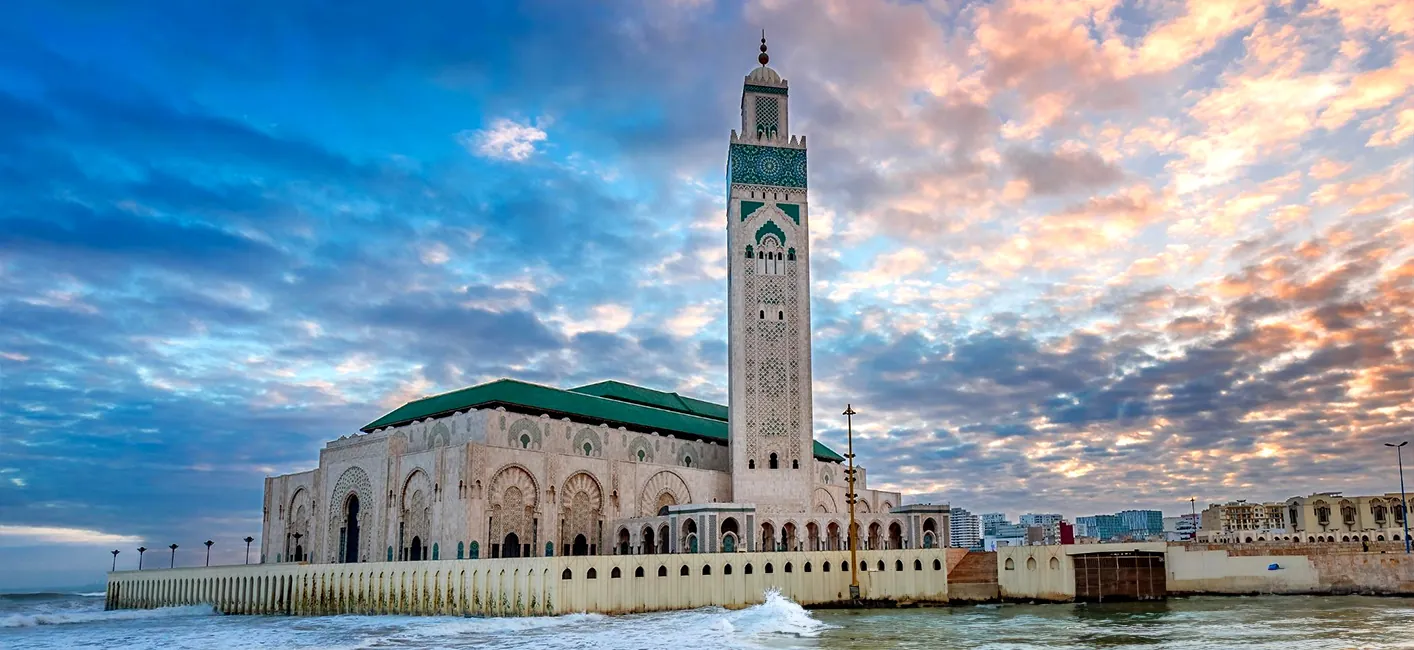
Study in Morocco Budget
Cheaper alternative: French/Arabic publics near-free + English flagships UM6P & Al Akhawayn · ≈ $7k/yr all-in (public route)
The University of Cape Town, Wits, Stellenbosch and Pretoria are research universities of genuine world standing — English-taught, set in one of the most beautiful countries on earth, and typically charging a fraction of UK or Australian fees. South Africa is also honest work: there’s no automatic post-study work visa (the Critical Skills list is the serious route), and city safety demands street-smart choices we’ll brief you on properly. For medicine, engineering, development, data and the sciences — at this price — few destinations argue back.
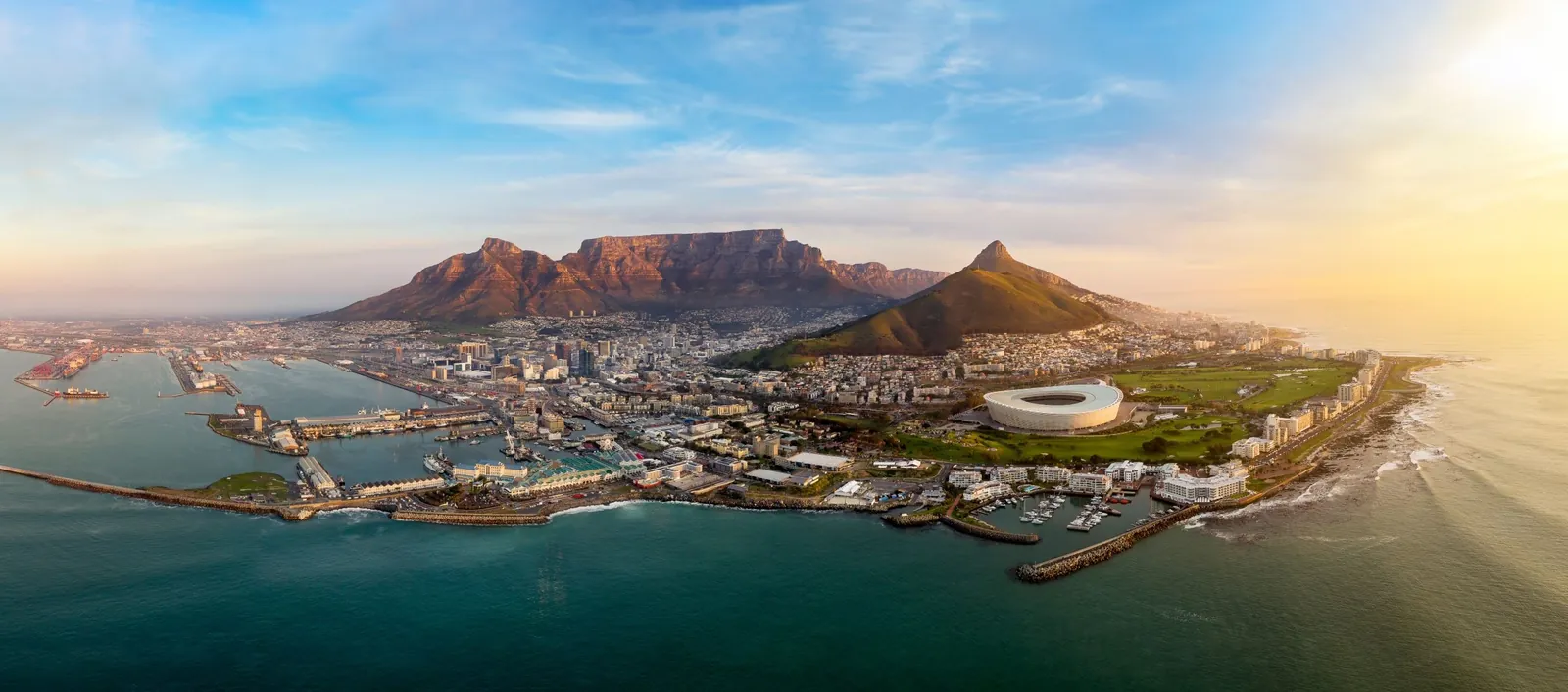
The complete, honest case for South Africa — the university quality, the critical-skills route, the safety briefing, and the exact route from Pakistan — in one short narrated briefing.
The South Africa video briefing is in production
The narrated 4-minute briefing for South Africa lands in this slot very soon. Until then, get the exact same briefing — live, personal, and free — from a counsellor who will map it to your grades and budget.
The University of Cape Town sits in the global top 200 in major rankings and leads Africa, with Wits (Johannesburg), Stellenbosch and the University of Pretoria close behind — research-intensive, English-medium universities whose degrees carry weight with employers and universities worldwide. Groote Schuur, where the first heart transplant was performed, is UCT’s teaching hospital: the heritage is real.
International tuition at the top universities commonly runs around US$4,500–10,000/year for many programmes — with living costs in Cape Town or Pretoria a fraction of London or Sydney. A family can fund a full South African degree for what one year costs in the premium West. That arithmetic deserves a serious look.
South Africa publishes a Critical Skills list — engineers, health professionals, ICT specialists, scientists and more — whose holders can qualify for a Critical Skills Work Visa. Choose a listed field and your degree becomes a work-visa strategy; choose outside it and staying means an employer-sponsored general work visa (harder). We align your course choice with the list from day one.
Marine science, conservation, mining engineering, public health, development studies, astronomy (the SKA project) — South Africa offers research environments that simply don’t exist elsewhere, at universities that welcome international postgraduates. For research careers, this is a heavyweight destination disguised as a budget one.
A large, historic Muslim community (especially Cape Town’s Cape Malay heritage), halal food everywhere, English as the language of instruction and business, and a warm, socially open culture. Pakistani students consistently report settling fast — community, climate and cost all help.
We won’t varnish it: South African cities have real crime, and students must choose neighbourhoods, transport and habits carefully — as local students do. University areas, accredited student residences and sensible routines manage the risk well, and our pre-departure briefing covers it street by street for your campus. Load-shedding has eased markedly but backup power remains a normal part of residence life.
Medicine & Health SciencesEngineering (Mining, Civil, Electrical)Computer Science & DataPublic Health & DevelopmentMarine & Environmental ScienceBusiness & FinanceLawFilm, Media & DesignActuarial ScienceAgriculture
| Item | Guide figure | What to know |
|---|---|---|
| Tuition — top public universities | ≈ R80,000–180,000 / year (guide) | Roughly US$4,500–10,000; international levies apply; medicine & some programmes above the band |
| Tuition — postgraduate | ≈ R60,000–160,000 / year | Research master’s/PhD often cheaper, with supervisor-linked funding possible |
| Living costs | ≈ R10,000–18,000 / month | Cape Town tops the range; Pretoria & Bloemfontein far lower; accredited residences simplify budgeting |
| Visa funds evidence | Fees + living, documented | South Africa assesses means carefully; we build a clean, consistent sponsor file |
Comparing countries on cost? See how Austria compares — full cost guide or scan every option in the Mid-Range: Maximum Value budget hub.
International merit awards exist at the major universities (faculty and international-office scholarships, typically partial), and the big lever is postgraduate: supervisor- and project-linked funding for research master’s and PhD students, plus the Mastercard Foundation Scholars Program at partner institutions (highly competitive, full funding for exceptional students). At undergraduate level, the low base fees are themselves the scholarship — we quote total degree cost so your family sees the real bargain.
There is no automatic post-study work visa. The structured routes: the Critical Skills Work Visa (if your occupation is on the current list — up to 5 years, with a path toward permanent residence for qualifying experience), or an employer-sponsored General Work Visa (which requires the employer to show recruitment effort). During study you may work up to 20 hours/week. Choose a critical-skills field and plan employer targets early, and South Africa can become long-term; we’ll never pretend the door is automatic.
We cross-check your target course against the current Critical Skills list and set city by safety, cost and employer density — before any application.
Foreign qualifications go through SAQA evaluation; we sequence it early alongside university applications and any merit-award deadlines.
Funds file to embassy standard, accredited accommodation booked near campus, and a proper safety-and-settling briefing before you fly.
It requires the same seriousness you’d apply to any big city — plus local knowledge. Students live well in university neighbourhoods and accredited residences, use recommended transport, and follow the security guidance universities issue. Our briefing is specific (areas, transport, habits) rather than generic reassurance, and we connect you with the campus’s international office support from week one.
The Department of Home Affairs publishes a list of occupations in shortage — spanning engineering, health, ICT, sciences and more. If your qualification and experience match a listed occupation, you can apply for a Critical Skills Work Visa (with professional-body registration where required). The list is revised periodically; we check your exact field against the current list in your session and design your degree choice around it.
You must evidence means for tuition and living for your study period — bank statements and sponsor documentation are examined carefully, and inconsistencies are the classic refusal cause. We build the file slowly and consistently, months ahead, the way South African missions like to see it.
Yes — a study visa allows part-time work up to 20 hours per week. In Cape Town and Johannesburg, campus-adjacent retail, tutoring and hospitality jobs are realistic for living-cost support. Your visa case, however, must stand on family/sponsor funds — part-time income is a supplement, never the plan.
Yes — South Africa runs on the southern-hemisphere calendar: the academic year typically starts in February (with a July second semester). That timing actually suits Pakistani students finishing exams mid-year — but applications close the preceding September/October for many programmes, so your file starts earlier than intuition suggests.
Still weighing it up? Browse the Africa region hub or the Mid-Range: Maximum Value budget hub to compare South Africa against its closest alternatives.
Four honest alternatives drawn from the Africa region hub, the Mid-Range budget tier and the premium step-up shelf — each with the reason it belongs on your shortlist.
Cheaper alternative: French/Arabic publics near-free + English flagships UM6P & Al Akhawayn · ≈ $7k/yr all-in (public route)

Same budget (Mid-Range), different map: Business, fashion, engineering; growing English-taught range · ≈ $16k/yr all-in
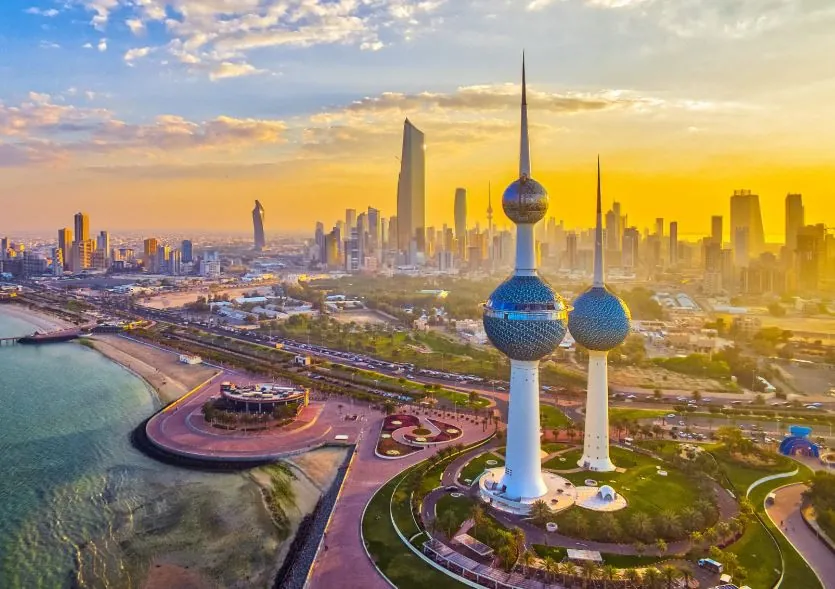
The aspirational step-up: American-model private universities; Gulf family base · ≈ $24k/yr all-in
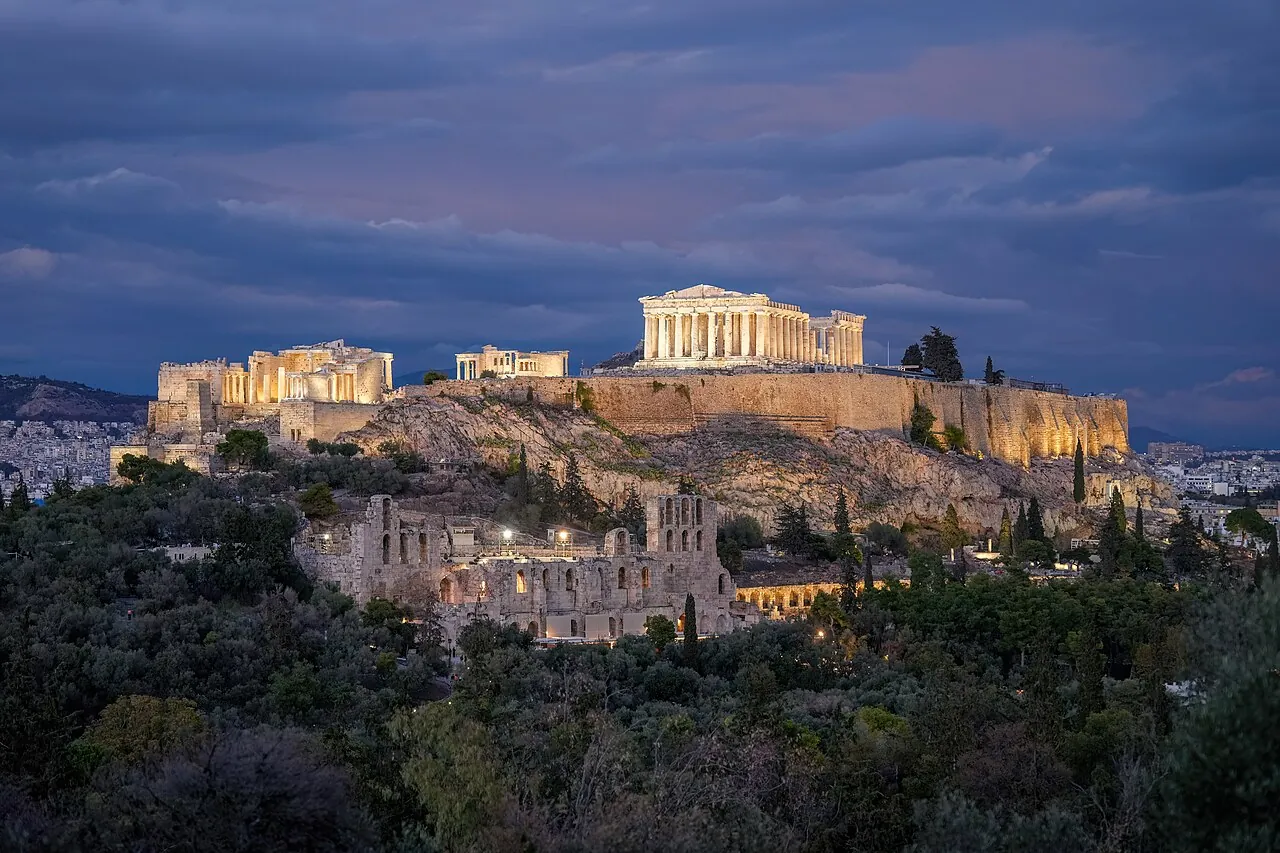
Same budget (Mid-Range), different map: Medicine, maritime, humanities · ≈ $12k/yr all-in