
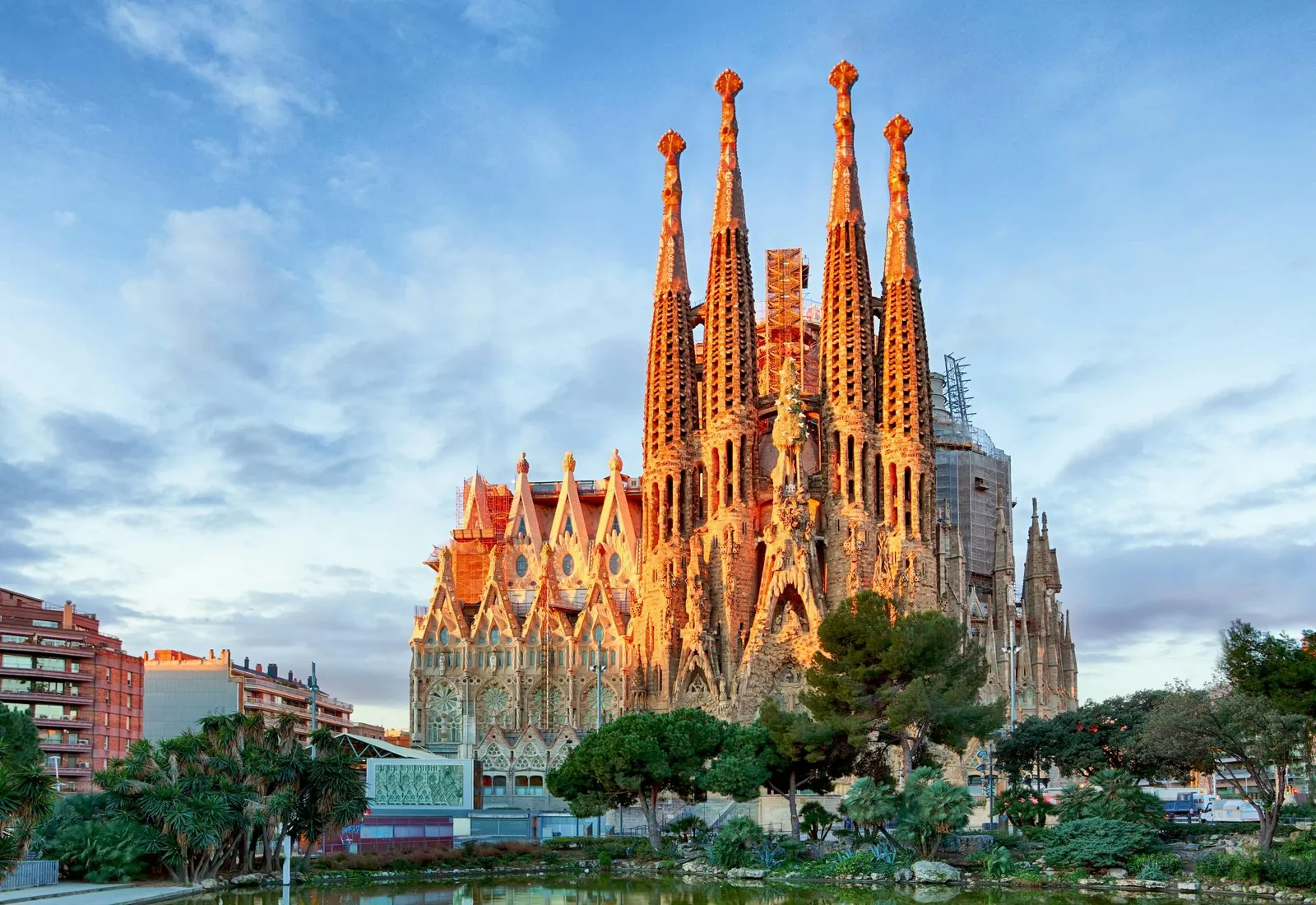
Study in Spain Mid-Range
Also in Europe – Schengen: Business, hospitality, health; Spanish adds job power · ≈ $14k/yr all-in
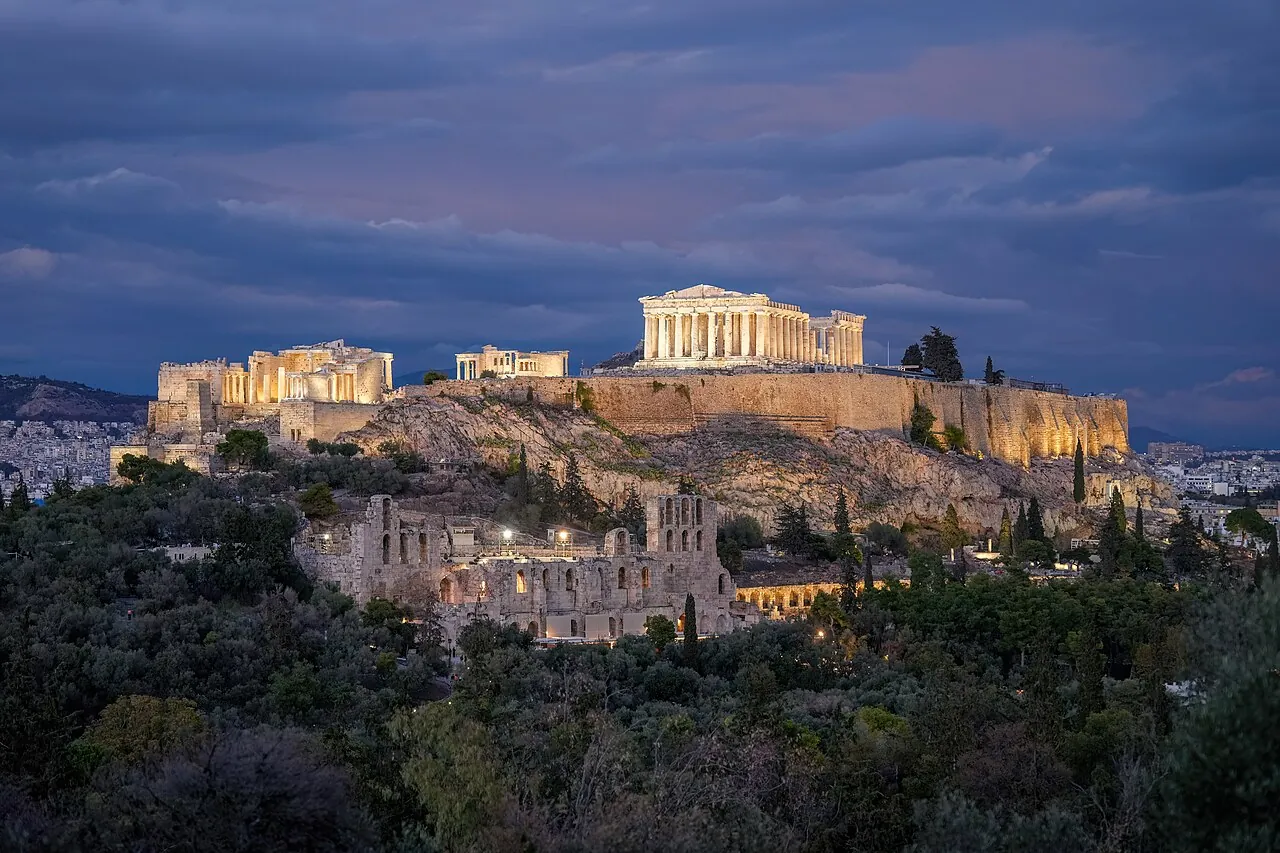
Greece is rewriting its offer to the world: flagship public universities (Athens, Aristotle Thessaloniki and others) now run English-taught undergraduate programmes — including medicine at around €12,000 a year — while Athens and Thessaloniki remain among the most affordable capitals in the EU. Add the world's largest merchant shipping industry, a tourism economy that hires every summer, 300 days of Mediterranean light and a Greek-taught route whose public fees have historically been minimal for students who learn the language. This is Europe's value frontier — with 3,000 years of university tradition behind it.
The complete, honest case for Greece — the new English-taught programmes, real Athens living costs, the recognition check for medicine, and the exact route from Pakistan — in one short narrated briefing.
The Greece video briefing is in production
The narrated 4-minute briefing for Greece lands in this slot very soon. Until then, get the exact same briefing — live, personal, and free — from a counsellor who will map it to your grades and budget.
Greece's top public medical schools now admit international students to English-taught MD programmes at fees around €12,000/year — against €20,000+ in much of Europe. Seats are few and competitive; our first job is verifying the programme's recognition path for practice in Pakistan before you fall in love with it.
Athens and Thessaloniki deliver full European capitals — metros, universities, nightlife, history — at living costs closer to €700–1,100 a month. Shared flats, student canteens and cheap transport stretch a Pakistani family budget further here than anywhere else in western-facing Europe.
Greek owners control the world's largest merchant fleet, and Piraeus is one of Europe's great ports. Maritime studies, naval architecture, logistics and shipping law in Greece plug directly into a global industry headquartered down the road from your campus.
Philosophy, medicine, mathematics, drama, democracy — Greece doesn't teach these subjects, it authored them. For humanities, classics, archaeology and history students, there is no richer classroom on earth, and field sites are your backyard.
The new English-taught programmes (undergraduate and a wide master's shelf) admit you directly. Alternatively, a Greek-language year opens the traditional public system, where fees for Greek-taught study have historically been very low. We compare both doors honestly for your timeline and budget.
Safe cities, a food culture built on fresh and halal-adaptable Mediterranean cooking, direct regional flights, and a climate that makes February feel like spring in Karachi. Students settle fast here — homesickness has very little to work with.
Medicine (English-taught)Maritime & Shipping StudiesTourism & HospitalityNaval ArchitectureArchaeology & ClassicsEngineeringBusiness & EconomicsComputer SciencePublic HealthPhilosophy & Humanities
| Item | Guide figure | What to know |
|---|---|---|
| English-taught public programmes | ≈ €5,000–12,000 / year | Medicine at the top of the band; other English-taught undergraduate & master's programmes lower — each university sets its own fee |
| Greek-taught public programmes | Historically low / minimal tuition | Requires Greek proficiency (usually via a language year + certification) — the patient route to the cheapest degree |
| Living costs | ≈ €700–1,100 / month | Athens & Thessaloniki; islands and tourist zones cost more in season — students base in the university cities |
| Visa funds proof | ≈ €500 / month + tuition evidence (planning guide) | Sponsor bank evidence to the consulate's current standard — we confirm the exact figure before you file |
Comparing countries on cost? See how Austria compares — full cost guide or scan every option in the Mid-Range: Maximum Value budget hub.
The IKY — State Scholarships Foundation runs scholarship programmes for foreign students (including Greek-language and postgraduate awards; calls are periodic and competitive), universities offer merit reductions on the new English-taught programmes, and Erasmus Mundus joint masters frequently include Greek partners. Plan on the low base costs as your main "scholarship" — anything further is a bonus we hunt for you.
Greece aligns with EU rules letting graduates extend residence to seek work (commonly up to around a year — confirm the current provision when you apply), and tourism/shipping give students seasonal and part-time openings within their permit conditions. Straight talk: the Greek graduate job market is competitive and Greek language matters — students who pair the degree with Greek and an industry (shipping, tourism, tech) do best.
We compare the English-taught entry (faster, fee-bearing) against the Greek-language year (slower, minimal fees) against your budget, age and career plan — with medicine recognition verified first where relevant.
English-taught medicine and competitive programmes test or rank applicants; we prepare your file and any entrance requirements on the university's real calendar, not a generic one.
Student visa, then residence permit, tax number (AFM), bank and housing in Athens or Thessaloniki — the arrival sequence, checklist-managed.
Yes — these are official programmes of Greece's public universities (the same institutions as the Greek-taught degrees), created under Greece's internationalisation law for foreign students. As with any medical degree, we verify the specific programme's recognition status for licensing in Pakistan before you commit — that check is step one, not an afterthought.
The alphabet takes a few weeks; conversational Greek takes a committed year — exactly what the language-year route provides, with certification at the end. Most of our Greece students choose English-taught entry and learn Greek alongside for work and daily life. Either way, English is widely spoken in the university cities.
As a planning guide, consulates look for sponsor evidence covering tuition plus roughly €500 per month of living costs, in the format they currently specify. Greece's overall bar is among Europe's gentler ones — but the file must still be complete and consistent, which is what we build with you.
Student residence permits allow part-time work within legal limits, and Greece's tourism economy creates heavy seasonal demand (hotels, agencies, services) — especially for English speakers. Don't budget your degree on it: treat earnings as support, and note that Greek-speaking students get hired first for most roles.
We'll be straight: Greece's youth job market is competitive, and a degree alone doesn't queue employers up. The students who convert are those in shipping/maritime, tourism management, tech and health — with Greek language and internships built during the degree. Your residence extension gives you the window; the plan we build gives you something to do with it. Many also use the Greek degree across the wider EU and Gulf markets.
Still weighing it up? Browse the Europe – Schengen region hub or the Mid-Range: Maximum Value budget hub to compare Greece against its closest alternatives.
Four honest alternatives drawn from the Europe – Schengen region hub, the Mid-Range budget tier and the premium step-up shelf — each with the reason it belongs on your shortlist.
Also in Europe – Schengen: Business, hospitality, health; Spanish adds job power · ≈ $14k/yr all-in
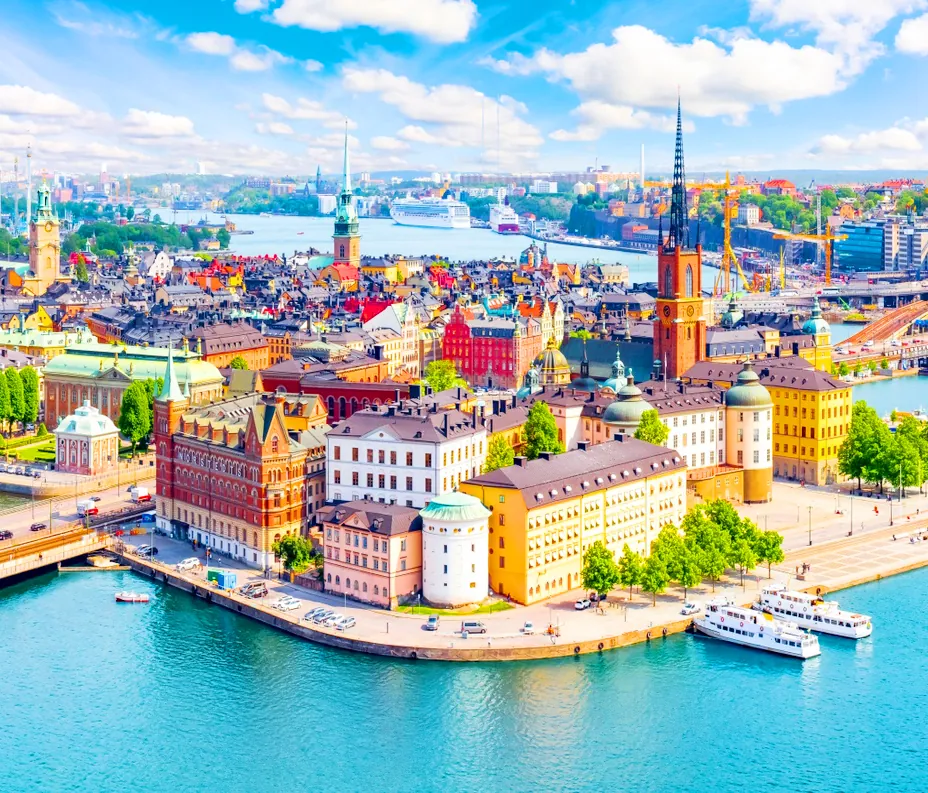
Also in Europe – Schengen: Innovation, sustainability, engineering · ≈ $25k/yr all-in
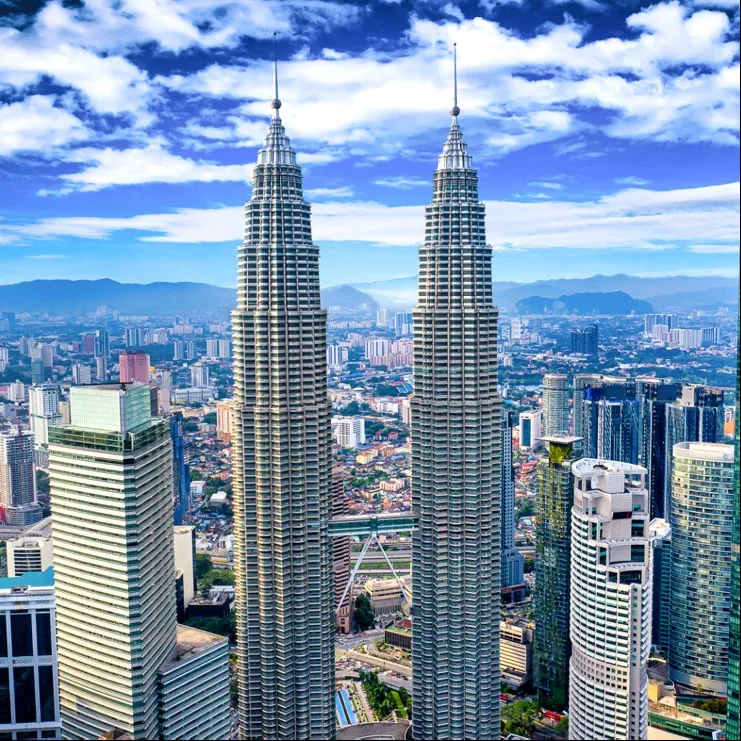
Same budget (Mid-Range), different map: UK/Aus branch campuses & twinning degrees · ≈ $11k/yr all-in
The aspirational step-up: Tech & pharma HQ hub; stay-back for graduates · ≈ $32k/yr all-in