

Study in Germany Near-Free
Cheaper alternative: Engineering, CS, automotive; many low/no-tuition public routes · Tuition €0 · living ≈ $13k/yr
Spain gives you the full European package at southern prices: public-university tuition that can start under €1,000 a year in some regions, English-taught business and health programmes multiplying every intake, part-time work up to 30 hours a week, and a full year after graduation to find a job. Learn Spanish while you study — the world’s second most-spoken native language — and you don’t just leave with a degree. You leave employable on three continents.

The complete, honest case for Spain — the regional fee lottery, the 30-hour work rule, the job-search year, and the exact route from Pakistan — in one short narrated briefing.
The Spain video briefing is in production
The narrated 4-minute briefing for Spain lands in this slot very soon. Until then, get the exact same briefing — live, personal, and free — from a counsellor who will map it to your grades and budget.
Spain sets public tuition by region and by degree — and in regions like Andalusia and Galicia, a first-enrolment bachelor’s year can cost well under €1,000, while official master’s degrees commonly sit around €1,000–3,500. Madrid and Catalonia charge more; private universities charge far more. We shop the regions like it’s our own money.
Every other destination hands you a diploma; Spain hands you a diploma plus fluent Spanish — native language of 20+ countries and the US’s second language. Employers in trade, tourism, healthcare and tech pay for that combination. English-taught entry, Spanish-fluent exit: that’s the plan we build.
Spain’s reformed rules let student-visa holders work up to 30 hours a week in roles compatible with their studies — among the most generous caps in Europe. Combined with southern living costs, part-time work here genuinely moves the needle on your budget.
Graduates can apply for a job-search residence of up to 12 months — no employer needed upfront. Find qualifying work and you switch to a work residence permit, inside a Schengen country with Europe’s sunniest major economy and chronic hiring in tech, health, engineering and tourism.
Spain is a world leader in tourism and hospitality management (its schools feed the global hotel industry), strong in architecture, renewable energy, sports management and increasingly in English-taught medicine-adjacent and health programmes. Your field may be cheaper — and better ranked — here than anywhere else on your list.
Valencia, Granada, Seville, Salamanca, Barcelona, Madrid: student cities with centuries of university tradition, rents far below Paris or Amsterdam, halal food widely available in the south, and a climate that makes February feel like a rumour. Parents ask about grades; students stay for this.
Business & International ManagementHospitality & TourismArchitectureMedicine & Health SciencesSports ManagementRenewable EnergyComputer Science & DataLaw & International RelationsDesign & CommunicationAviation & Logistics
| Item | Guide figure | What to know |
|---|---|---|
| Public university tuition | ≈ €800–3,500 / year | Varies sharply by region & degree; repeat enrolments cost more — pass first time |
| Private universities & business schools | ≈ €6,000–30,000 / year | IE / ESADE-tier schools are world-class and priced like it; regional privates far less |
| Living costs | ≈ €700–1,100 / month | Madrid & Barcelona at the top; Granada, Valencia & Salamanca far gentler |
| Visa funds proof (IPREM-based) | ≈ €600 / month of study | Calculated from the IPREM index — we confirm the current figure for your consulate |
Comparing countries on cost? See how Austria compares — full cost guide or scan every option in the Mid-Range: Maximum Value budget hub.
Spain’s own schemes include MAEC-AECID government scholarships (mainly postgraduate), regional and university merit awards, and faculty assistantships at research master’s and PhD level. The giant is Erasmus Mundus: fully funded joint master’s degrees that often include a Spanish university in the consortium — tuition, travel and a monthly allowance covered. We scan every shortlist for it automatically.
Finish your degree and Spain typically offers a job-search residence of up to 12 months to find employment or launch a business — then a work residence permit when you land the role. During studies: up to 30 hours/week of compatible work. Honest note: Spanish fluency is the single biggest factor in graduate hiring — which is why it’s built into your plan from month one, not bolted on at graduation.
We match your budget to Spain’s regional fee map and pick English-taught entry with a Spanish runway — or a Spanish-taught route if your level already allows it.
Pakistani qualifications need recognition steps (homologación / UNEDassis for many bachelor routes). We sequence credentials, translations and deadlines so nothing expires mid-process.
Funds evidence built to the IPREM standard, visa filed, then TIE/NIE residence card, empadronamiento and bank setup in your first-week checklist.
Yes — English-taught programmes (especially business, tourism, data and international degrees) are growing fast, and big cities function in English day-to-day. But part-time jobs and graduate roles overwhelmingly reward Spanish. Our honest deal: we’ll get you in through the English door, and you commit to the free/cheap Spanish courses we line up — most students reach conversational level within the degree.
Spanish regions set their own public tuition. The same degree can cost under €1,000 in one region and three times more in another — before you even compare rents. That’s why our Spain shortlists are built region-first: identical degree title, radically different total bill.
Spain calculates funds from the IPREM index — as a planning guide, around €600 per month of study in a sponsor’s account, plus tuition where unpaid. We confirm the exact current IPREM figure and evidence format for your consulate before your family moves any money.
Legally, yes — up to 30 hours a week in study-compatible work, and Spain’s tourism, hospitality and retail sectors hire students heavily in season. Realistically, Spanish speakers get hired first — one more reason the language plan starts in Pakistan, with basics before you fly.
Spanish refusals cluster around funds evidence and unclear study purpose. We counter both: bank statements prepared to consulate standard, and a study-plan narrative that connects your past, your Spanish programme and your career — rehearsed with you before you file.
Still weighing it up? Browse the Europe – Schengen region hub or the Mid-Range: Maximum Value budget hub to compare Spain against its closest alternatives.
Four honest alternatives drawn from the Europe – Schengen region hub, the Mid-Range budget tier and the premium step-up shelf — each with the reason it belongs on your shortlist.
Cheaper alternative: Engineering, CS, automotive; many low/no-tuition public routes · Tuition €0 · living ≈ $13k/yr

Also in Europe – Schengen: Medicine, maritime, humanities · ≈ $12k/yr all-in
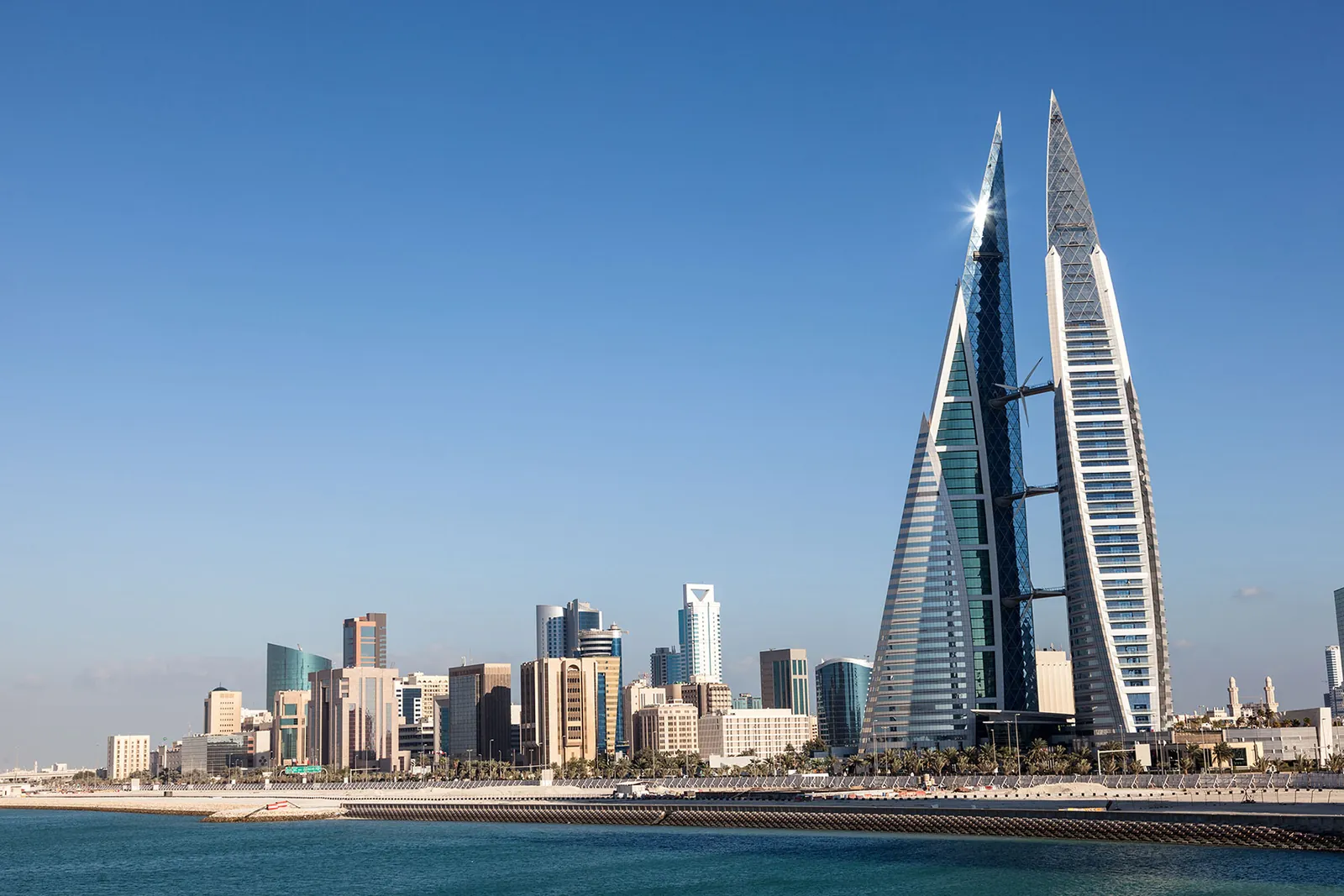
Same budget (Mid-Range), different map: UK & US branch campuses in Manama · ≈ $18k/yr all-in

The aspirational step-up: Asia's top-ranked universities; finance & tech · ≈ $28k/yr all-in