
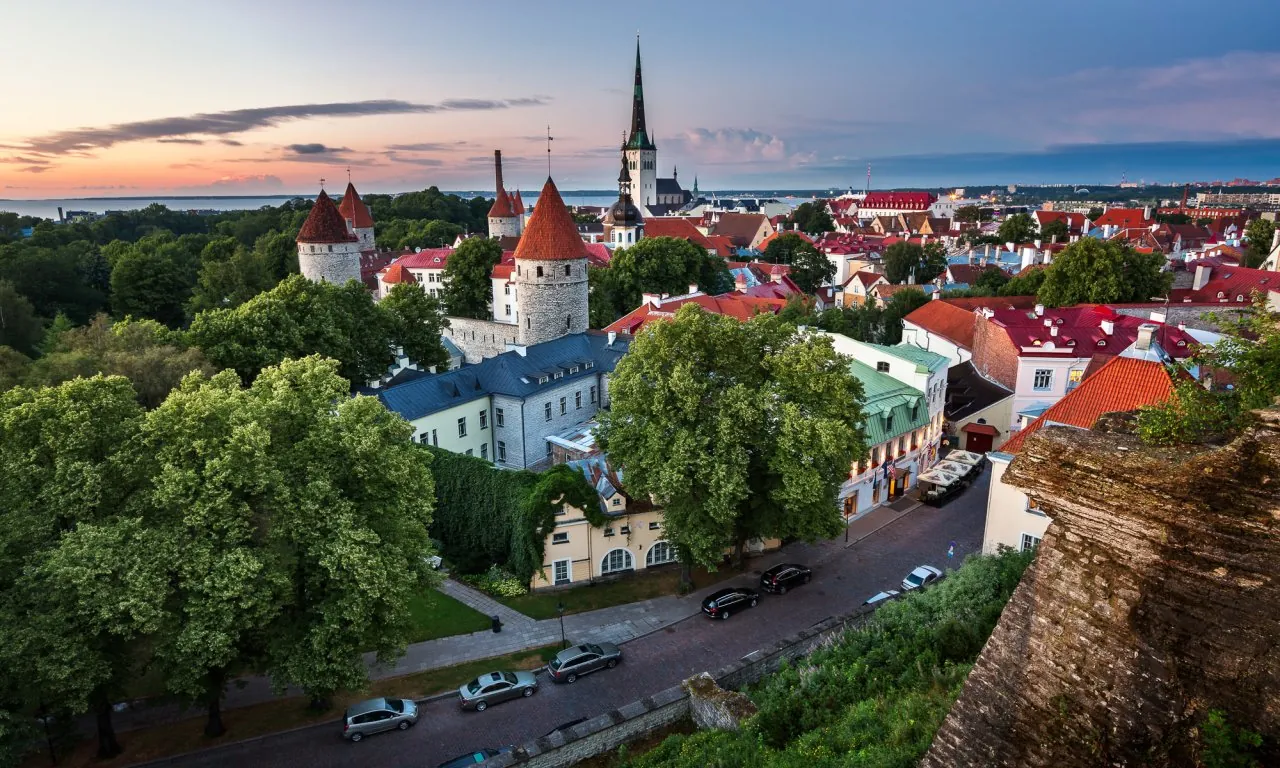
Study in Estonia Mid-Range
Also in Europe – Schengen: Digital society; startups & IT · ≈ $12k/yr all-in
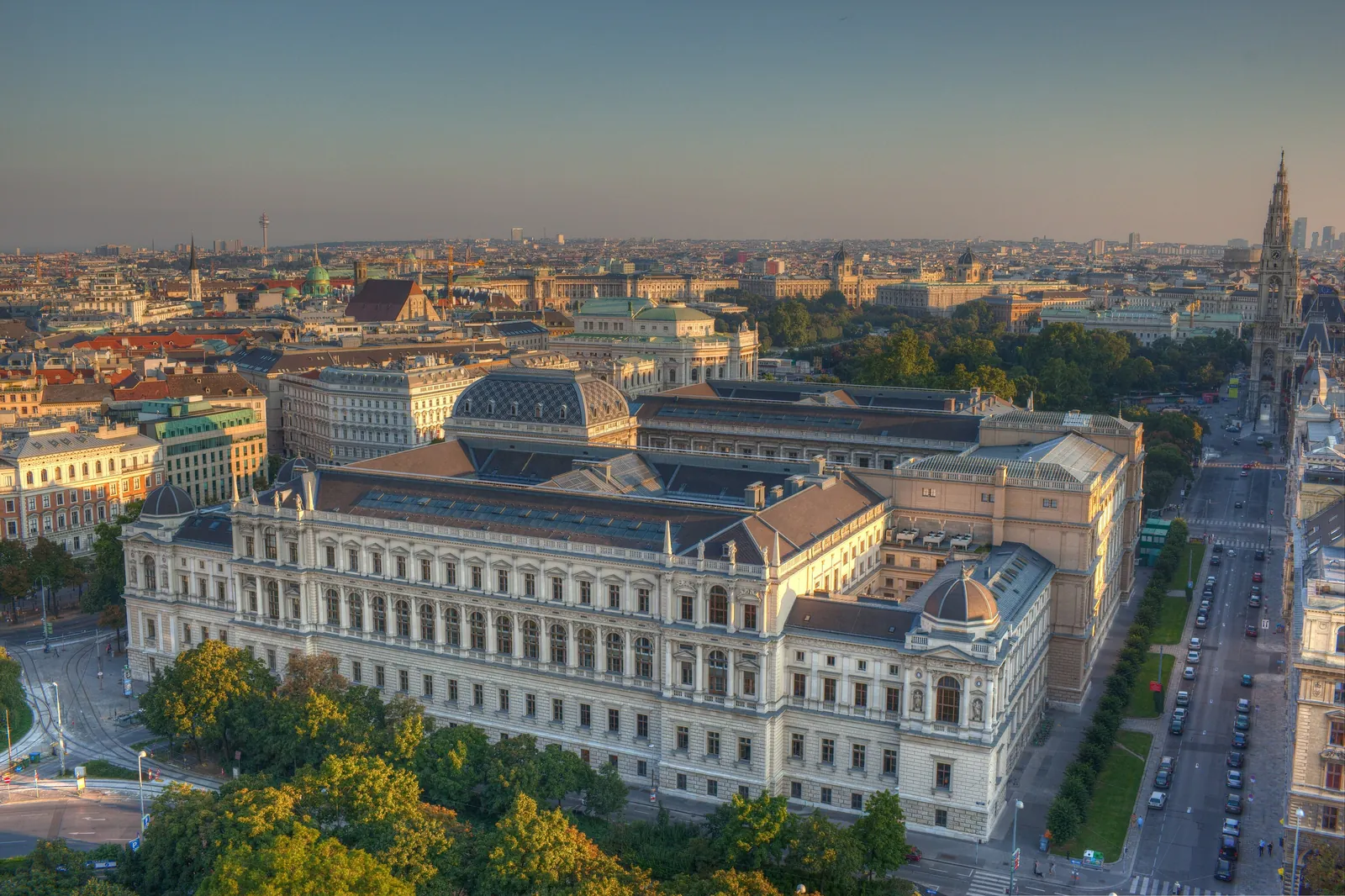
Austria charges non-EU students a statutory public tuition of roughly €727 per semester — then hands you a degree from universities like Vienna (founded 1365), Graz and Innsbruck, in the heart of Schengen Europe. Add a 12-month job-search permit after graduation and the entire German-speaking DACH job market in front of you. The honest key that unlocks all of it: German. Enter through English-taught master's programmes or a language-first bachelor route — we build the plan either way.
The complete, honest case for Austria — the statutory low fee, the 12-month stay-back, the German reality, and the exact route from Pakistan — in one short narrated briefing.
The Austria video briefing is in production
The narrated 4-minute briefing for Austria lands in this slot very soon. Until then, get the exact same briefing — live, personal, and free — from a counsellor who will map it to your grades and budget.
Most Austrian public universities charge third-country students €726.72 per semester, plus a small student-union fee. That is not a discount or a scholarship trick — it is the standard statutory rate, a fraction of what comparable quality costs in the UK, Australia or even private European schools.
Vienna repeatedly tops global liveability rankings — safe, orderly, with superb public transport, huge student dormitory stock and universities woven through the city. Graz adds a tech-and-student buzz, Innsbruck puts the Alps at your door, Salzburg and Linz keep costs even gentler.
English-taught master's programmes get you in; German gets you hired. Austria, Germany and Switzerland form one giant German-speaking labour market short of engineers, IT specialists and healthcare staff. Graduate bilingual and three countries compete for you.
After your degree you can typically extend your residence for 12 months to look for work. Land a graduate-level job and the Red-White-Red Card system is designed to keep skilled graduates in Austria — a transparent, points-based route instead of a lottery.
Vienna, Graz, Innsbruck and the technical universities feed Austria's engineering, pharma, manufacturing and green-tech employers — with TU Wien and TU Graz carrying serious research weight in exactly the fields Pakistani students target.
Budapest, Prague, Munich, Bratislava and northern Italy are all a train ride away on your Schengen residence. Weekends build the European network and confidence that employers back home and abroad both notice.
Engineering (TU Wien · TU Graz)Computer Science & AIBusiness & EconomicsMedicine & HealthMusic & Performing ArtsNatural SciencesTourism & HospitalityArchitectureLaw & Social SciencesData Science
| Item | Guide figure | What to know |
|---|---|---|
| Public university tuition (non-EU) | ≈ €1,453 / year | €726.72/semester at most public universities, set by regulation; some programmes & universities of applied sciences differ |
| Private & applied-sciences routes | ≈ €4,000–15,000 / year | Fachhochschulen and private universities set their own fees — sometimes worth it for English-taught, industry-linked degrees |
| Living costs | ≈ €950–1,300 / month in Vienna · €800–1,100 elsewhere | Student dormitories keep rent survivable; budget honestly for Vienna |
| Residence-permit funds proof | ≈ €613 / month (under 24) to ≈ €1,150 / month (24+) | Figures are set by regulation and updated periodically — we confirm the current amount for your file |
Comparing countries on cost? See how Bahrain compares — full cost guide or scan every option in the Mid-Range: Maximum Value budget hub.
Austria's funding runs through the OeAD — including the Ernst Mach Grant for postgraduate and research stays — plus university performance scholarships and fee reductions for strong students, and fully funded Erasmus Mundus joint masters. Honest framing: full free rides for bachelor students are rare — in Austria the scholarship is the €1,453 base fee itself.
Graduate and you can typically take a 12-month residence extension to seek employment; a qualifying job opens the Red-White-Red Card route. During studies, part-time work is possible through an employer-obtained employment permit — commonly up to 20 hours/week at bachelor level, with more flexibility at master's level (confirm current rules for your permit type).
Most bachelor degrees teach in German (B2–C1 evidence); master's choice in English is far wider. We pick your route — direct English entry, or German-first with a foundation year — and shortlist Vienna/Graz/Innsbruck by total cost.
Austrian admission for Pakistani qualifications can include supplementary checks; the residence file needs funds, housing and insurance evidence in exact formats. We assemble both so nothing bounces on a technicality.
Residence card collection, Meldezettel address registration, bank account, ÖH student union and semester ticket — sequenced in your first-week checklist.
Yes — €726.72 per semester is the standard statutory tuition for third-country nationals at most Austrian public universities, plus a small student-union fee each semester. Exceptions exist (some programmes and private institutions charge more), and we flag them in your shortlist before you apply — never after.
For most bachelor programmes, yes — teaching is in German and B2–C1 evidence is normal. At master's level, English-taught options are plentiful in engineering, CS, business and sciences. Either way, daily life and graduate jobs run on German — our plans include free or cheap university German courses from your first semester.
The residence-permit means test is set by regulation and age: as a guide, around €613/month for students under 24 and around €1,150/month for those 24+, shown via bank statements, sponsor evidence or a scholarship letter. The amounts update periodically — we verify the exact current figure before your family moves money.
Yes, within the rules of the employment-permit system: your employer applies, and bachelor students commonly work up to about 20 hours a week. Treat earnings as a contribution to living costs, not your funding plan — your residence renewal depends on your studies progressing.
Austrian files usually fail on incomplete funds evidence, missing housing proof or admission conditions left unmet — paperwork problems, not student problems. We audit your dossier against the authority's checklist before filing, so your case reads clean and complete.
Still weighing it up? Browse the Europe – Schengen region hub or the Mid-Range: Maximum Value budget hub to compare Austria against its closest alternatives.
Four honest alternatives drawn from the Europe – Schengen region hub, the Mid-Range budget tier and the premium step-up shelf — each with the reason it belongs on your shortlist.
Also in Europe – Schengen: Digital society; startups & IT · ≈ $12k/yr all-in
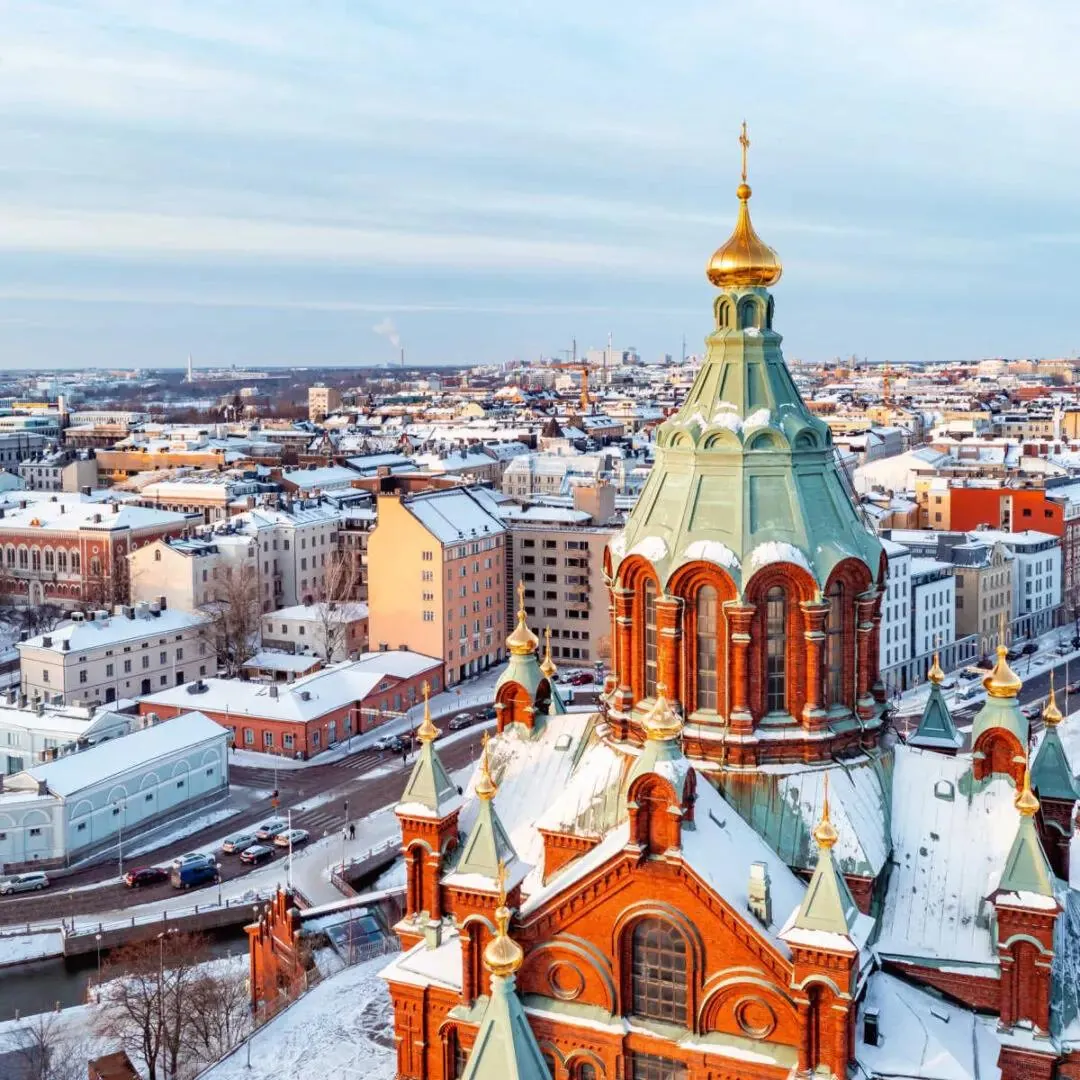
Also in Europe – Schengen: Education, tech, gaming; scholarships common · ≈ $20k/yr all-in
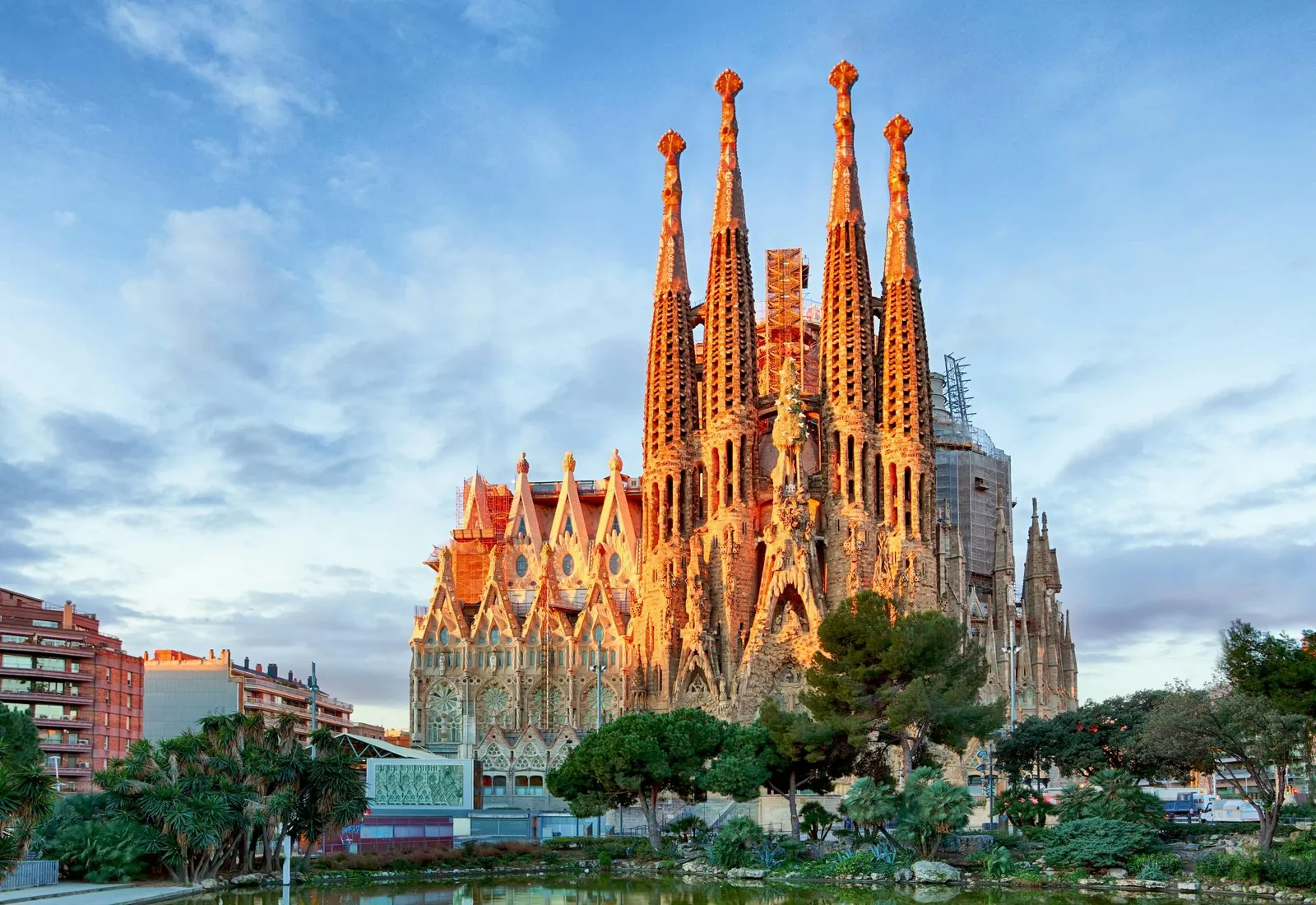
Same budget (Mid-Range), different map: Business, hospitality, health; Spanish adds job power · ≈ $14k/yr all-in
The aspirational step-up: Education City branch campuses; HBKU & QU scholarships · Education City · aid can cut costs deeply