
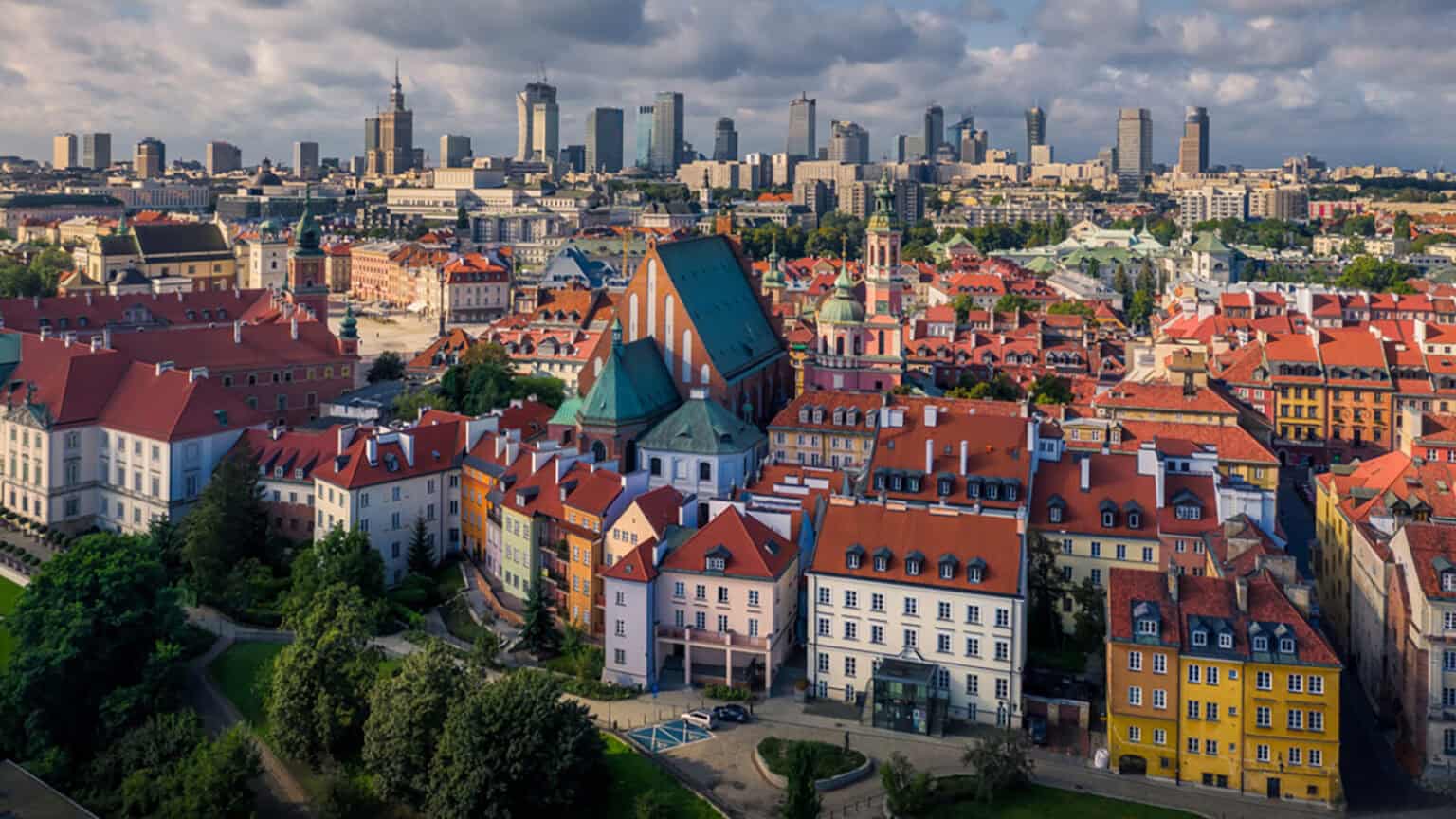
Study in Poland Mid-Range
English-taught option: MBBS & engineering in English; strong value · ≈ $11k/yr all-in
Estonia invented Skype, runs its government on e-Estonia, and produces more startups per person than almost anywhere in Europe. Its universities — Tartu (founded 1632), TalTech and Tallinn University — teach sought-after programmes in English, tuition for international students commonly sits around €3,000–7,500 a year, government scholarships and tuition waivers reward strong files, and graduates can extend their stay to hunt for work in a capital where every second company is a tech company. This is Europe's startup classroom — and Pakistan's most under-discovered IT door.
The complete, honest case for Estonia — the real fees, the tech-job map, the stay-back extension, and the exact path from Pakistan — in one short narrated briefing.
The Estonia video briefing is in production
The narrated 4-minute briefing for Estonia lands in this slot very soon. Until then, get the exact same briefing — live, personal, and free — from a counsellor who will map it to your grades and budget.
Estonia has produced Skype, Wise, Bolt and Pipedrive — and its tech sector actively recruits international graduates. TalTech and the University of Tartu run English-taught programmes in cybersecurity, software, robotics and e-governance designed with those employers. In Tallinn, your internship market starts a tram ride from your dorm.
The University of Tartu is the Baltics' research flagship with global rankings momentum; TalTech owns engineering and IT; Tallinn University covers media, business and social sciences. English-taught tuition commonly runs €3,000–7,500 a year — and top bachelor's and master's applicants compete for tuition waivers that can remove it entirely.
EU, Schengen, NATO and the euro — an Estonian degree follows Bologna rules, is recognised across Europe, and your residence opens Schengen travel from a capital 80 km across the water from Helsinki. No second-tier asterisks anywhere.
Estonians rank high in English proficiency and the startup/tech sector works in English daily — part-time jobs, internships and graduate roles are realistic without Estonian, while free language courses build your local edge for public-sector and traditional employers.
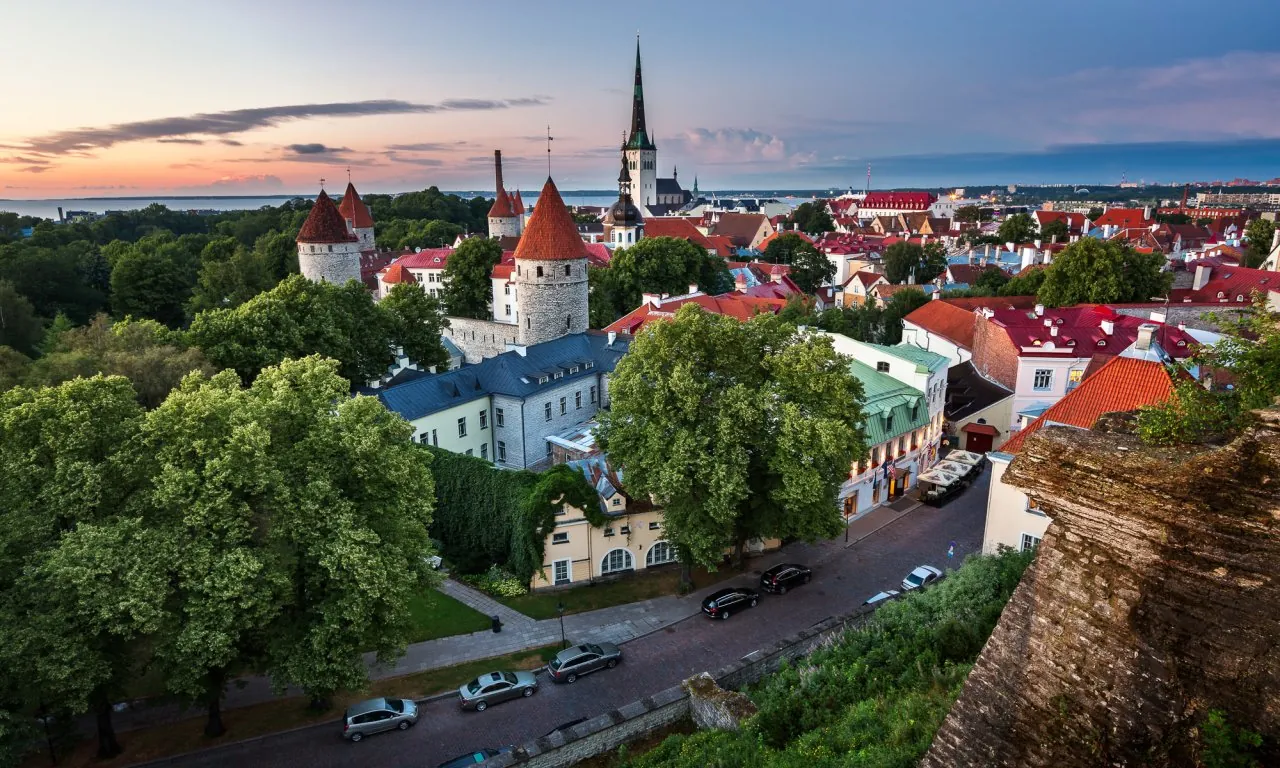
Tallinn's Old Town is a UNESCO medieval jewel; Tartu is a true student city where students are a quarter of the population. Rents and daily costs sit well below Helsinki, Stockholm or Amsterdam — and parents consistently rate Estonia among Europe's calmest destinations.
In the country where tax filing takes three minutes online, your student life runs digitally too — residence card, banking, transport, university systems. For students tired of paper queues, Estonia feels like studying in the future.
CybersecurityComputer Science & SoftwareE-Governance & Public InnovationRobotics & EngineeringBusiness & EntrepreneurshipInternational RelationsLaw (EU & Tech)Medicine (Tartu)Design & New MediaEnvironmental Science
| Item | Guide figure | What to know |
|---|---|---|
| Tuition — English-taught programmes | ≈ €3,000–7,500 / year | Set per programme; medicine and some specialised masters sit higher — exact fee quoted in your shortlist |
| Living costs | Tallinn ≈ €650–950 · Tartu ≈ €550–800 / month | University dormitories and shared flats anchor the low end; student discounts are everywhere |
| Residence funds proof | Living funds + tuition evidence (planning guide) | Shown via sponsor bank evidence to the current Estonian standard — we confirm your exact requirement before filing |
| Part-time work | Allowed alongside studies | Student residence permits study-first employment under current rules — earnings support living, never your visa case |
Comparing countries on cost? See how Austria compares — full cost guide or scan every option in the Mid-Range: Maximum Value budget hub.
Estonia funds internationals through three real doors: Estonian government scholarships (administered via the Study in Estonia / Education & Youth Board channel — degree scholarships for citizens of partner countries and summer/research grants, with country eligibility confirmed per call), university tuition waivers — Tartu, TalTech and Tallinn University waive fees for a share of their strongest admitted students, often the top-ranked applicants per programme — and Erasmus Mundus full rides where Estonian partners participate. Strategy is everything: the same grades can pay €0 or full fee depending on programme choice and application timing. That optimisation is our job.
Graduates of Estonian universities can typically apply to extend their temporary residence by up to 9 months to look for work after completing studies (current terms confirmed for your intake), then move onto employment-based residence — Estonia's tech and startup sector is structurally short of developers, engineers and data talent, and English-language hiring is the norm there. During studies, part-time work is a realistic living-cost support in Tallinn's service and tech-support economy. Estonian language at even A2–B1 visibly widens your options beyond the tech bubble.
Tartu vs. TalTech vs. Tallinn University graded against each programme's waiver track record and tech-employer fit — with total costs, rent included, in writing.
Waivers and government scholarship consideration reward early, complete files. We sequence HEC/IBCC attestation, English proof and programme requirements (some IT programmes test maths/logic) so nothing misses its round.
Long-stay (D) visa and temporary residence permit prepared with funds evidence in the format Estonia expects, then dormitory move-in and your ID-card, bank and transport setup in week one.
Estonia's tech sector is deliberately outsized — international startups hire globally from Tallinn, remote EU roles are common, and your EU-recognised degree travels anywhere in Europe. Small country, networked economy: graduates who network during the degree do disproportionately well.
English-taught programmes require documented English — typically IELTS 5.5–6.5 depending on level and university, with TOEFL/PTE equivalents accepted. Some universities assess via their own tests in specific cases. Your shortlist states each programme's exact accepted proof so you test once, correctly.
As a planning guide: first-year tuition plus living funds consistent with roughly €650–950 a month, evidenced through sponsor statements with clear history. Estonia's bar is mid-range for the Schengen area — reachable for many families when the paperwork is complete and consistent, which is precisely what we audit.
Waivers are competitive and programme-specific — they go to the top-ranked admits, not to everyone who applies. We grade your realistic waiver chance per university in your free session and always build a self-funded budget underneath, so a waiver is upside, never the whole plan.
Winters are cold and dark — cities are built for it and student life adapts fast (sauna culture helps). Day-to-day and tech-sector life runs in English; Estonian is a graduation asset, not an entry barrier. Students who add even basic Estonian report a visibly warmer local welcome and wider job options.
Still weighing it up? Browse the Europe – Schengen region hub or the Mid-Range: Maximum Value budget hub to compare Estonia against its closest alternatives.
Four honest alternatives drawn from the Europe – Schengen region hub, the Mid-Range budget tier and the premium step-up shelf — each with the reason it belongs on your shortlist.
English-taught option: MBBS & engineering in English; strong value · ≈ $11k/yr all-in

Also in Europe – Schengen: Sunny, affordable EU living; business & tech · ≈ $15k/yr all-in

Same budget (Mid-Range), different map: GKS scholarships; tech, media, business · ≈ $13k/yr all-in

The aspirational step-up: Branch campuses; Dubai/Abu Dhabi hubs · ≈ $26k/yr all-in