

Study in Spain Mid-Range
Also in Europe – Schengen: Business, hospitality, health; Spanish adds job power · ≈ $14k/yr all-in
Poland is the EU's quiet overachiever: a big, fast-growing economy, hundreds of English-taught programmes, tuition commonly between €2,000 and €6,000 a year, and student cities where €700 a month still lives well. Its English-taught MBBS programmes are a long-established route for Pakistani students — and here's the benefit almost nobody advertises: graduates of Polish full-time studies can be hired without a work permit, which makes you unusually easy to employ. Value, safety and a real graduate route, in one Schengen country.
The complete, honest case for Poland — the real fees, the MBBS recognition check, the graduate work-permit exemption, and the exact route from Pakistan — in one short narrated briefing.
The Poland video briefing is in production
The narrated 4-minute briefing for Poland lands in this slot very soon. Until then, get the exact same briefing — live, personal, and free — from a counsellor who will map it to your grades and budget.
English-division medicine at established Polish medical universities (Warsaw, Kraków, Gdańsk, Poznań, Łódź and more) has trained international doctors for decades. Our non-negotiable first step: verify the university's standing for practice in Pakistan (PMC/PMDC recognition and licensing path) before any application — recognition first, marketing second.
Engineering, CS and business degrees commonly run €2,000–6,000 a year, dormitory beds are genuinely cheap, and cities like Łódź, Lublin and Katowice stretch a student budget further than almost anywhere in the EU. Your family's total outlay can undercut one year in London.
Graduates of Polish full-time studies are exempt from the work-permit requirement — a Polish employer can hire you like a local graduate. Combine that with up to 9 months of job-search residence after your degree, and your stay-back story is concrete, not hopeful.
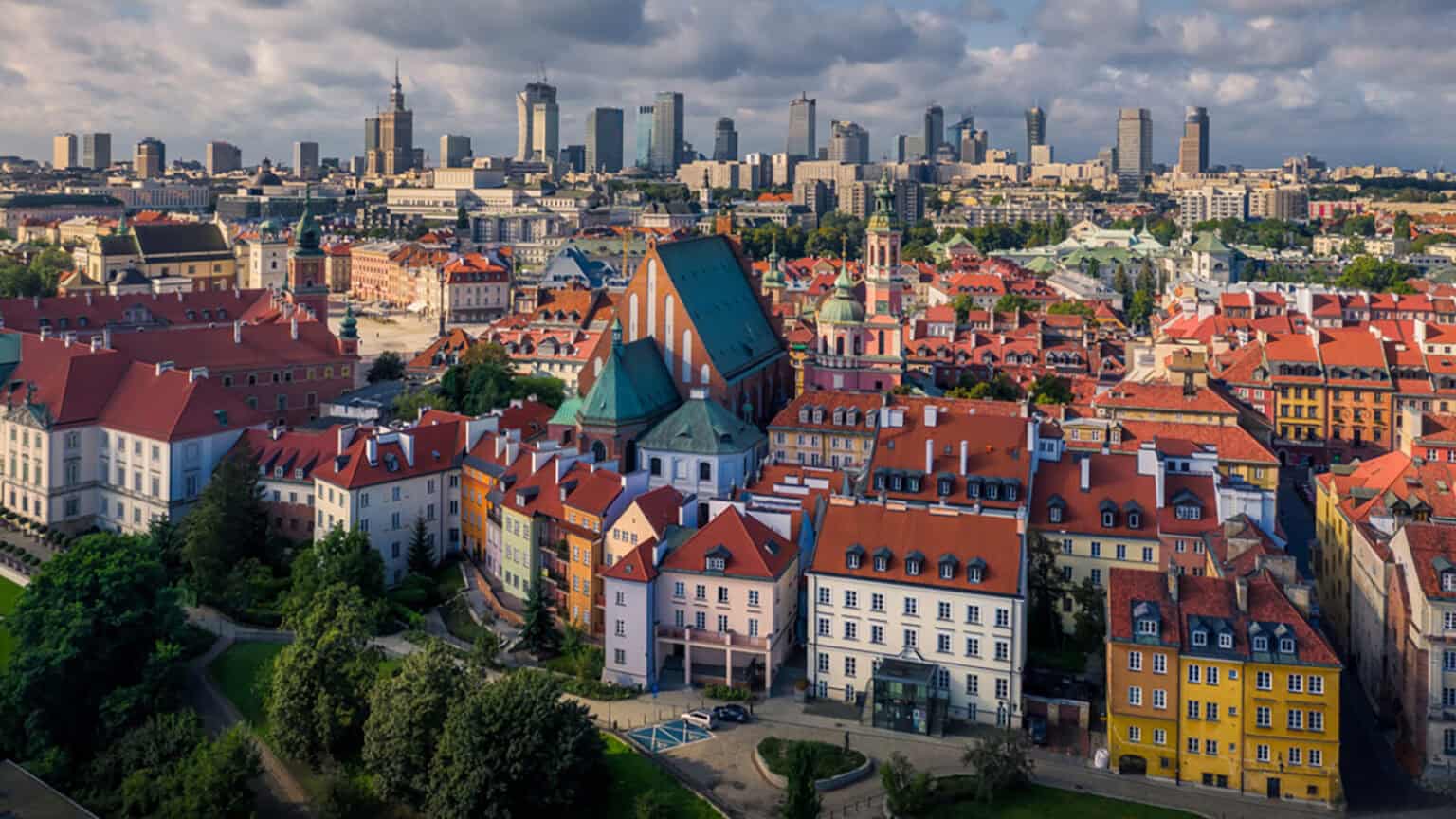
Warsaw's skyline tells the story: global tech, finance shared-services and engineering firms employ thousands of English-speaking graduates in Poland. IT, data, logistics and engineering students step into a labour market that is still expanding.
Warsaw for salaries and ambition, Kraków for beauty and student scale, Gdańsk for the Baltic coast, Wrocław and Poznań for value with big-university depth. We match city to your budget first, brochure second.
Hundreds of programmes teach fully in English. Polish itself is nobody's idea of easy — but even B1 Polish transforms part-time work and graduate hiring. Universities run cheap Polish courses; our students take them from semester one.
MBBS / MedicineDentistryComputer Science & ITEngineeringBusiness & ManagementAviationPharmacyArchitectureData ScienceNursing & Health
| Item | Guide figure | What to know |
|---|---|---|
| Tuition — most programmes | ≈ €2,000–6,000 / year | Engineering, CS, business and humanities at public & private universities; elite privates charge more |
| Tuition — English-taught MBBS | ≈ €11,000–16,000 / year | Set by each medical university; entrance exams in biology/chemistry are standard |
| Living costs | ≈ €600–1,000 / month | Warsaw at the top; dormitories and smaller cities far below; cooking at home is the norm |
| Visa funds proof | Tuition + roughly €600–800 / month of stay | Shown via sponsor/family bank evidence — we confirm the current consular standard for your file |
Comparing countries on cost? See how Austria compares — full cost guide or scan every option in the Mid-Range: Maximum Value budget hub.
Poland's agency NAWA runs the Banach Scholarship Programme — master's scholarships for citizens of developing countries (Pakistan has been among the eligible countries) covering tuition and a monthly stipend, often with a Polish-language preparatory year. Add rector's scholarships for top performers after year one, university merit discounts and Erasmus Mundus. We check your Banach eligibility in your first session.
After graduating you can apply for a temporary residence permit to seek work (up to 9 months) — and because Polish full-time graduates don't need a work permit, employers face zero extra paperwork to hire you. During full-time studies, students may work without a separate work permit; we explain how the rules apply to your exact status.
We shortlist by budget, city and — for medicine — licensing recognition back in Pakistan, then prepare you for any entrance exam (medical universities test biology & chemistry).
Apostilled documents, tuition prepayment where required, and sponsor evidence assembled to the consulate's current standard — the step where sloppy files die.
Dormitory or private housing, temporary residence card (TRC) application, PESEL number and bank account — your first-month sequence, handled.
Only if the university and programme meet the Pakistan Medical Commission's recognition requirements and you pass the licensing route on return. The English divisions of Poland's established medical universities are the recognised core — but lists and rules change, so we verify your exact university against the current position before you apply, in writing.
Requirements vary by university: many accept an English-proficiency/MOI letter or run their own interview, while competitive programmes ask for IELTS/TOEFL evidence. We match your profile to universities whose language evidence you can genuinely meet — and tell you when a real test strengthens your visa file anyway.
As a planning guide: first-year tuition plus living funds of roughly €600–800 per month in a sponsor's account, evidenced the way the consulate currently requires. Poland's bar is among Europe's more reachable — but "reachable" still means documented properly, which is where we come in.
Yes — graduates of full-time studies at Polish universities are exempt from the work-permit requirement, one of Poland's most practical advantages. You still need the right residence status (the 9-month job-search permit, then work-based residence), and we map that sequence in your plan.
Poland hosts a large and growing Pakistani student community, halal food is easy in the big cities, and student districts are accustomed to internationals. As anywhere, city and neighbourhood choice matter — we steer you to the established student areas our students already live in.
Still weighing it up? Browse the Europe – Schengen region hub or the Mid-Range: Maximum Value budget hub to compare Poland against its closest alternatives.
Four honest alternatives drawn from the Europe – Schengen region hub, the Mid-Range budget tier and the premium step-up shelf — each with the reason it belongs on your shortlist.
Also in Europe – Schengen: Business, hospitality, health; Spanish adds job power · ≈ $14k/yr all-in
Also in Europe – Schengen: Innovation, sustainability, engineering · ≈ $25k/yr all-in

Same budget (Mid-Range), different map: Hospitality, business; affordable living · ≈ $13k/yr all-in

The aspirational step-up: Asia's top-ranked universities; finance & tech · ≈ $28k/yr all-in