
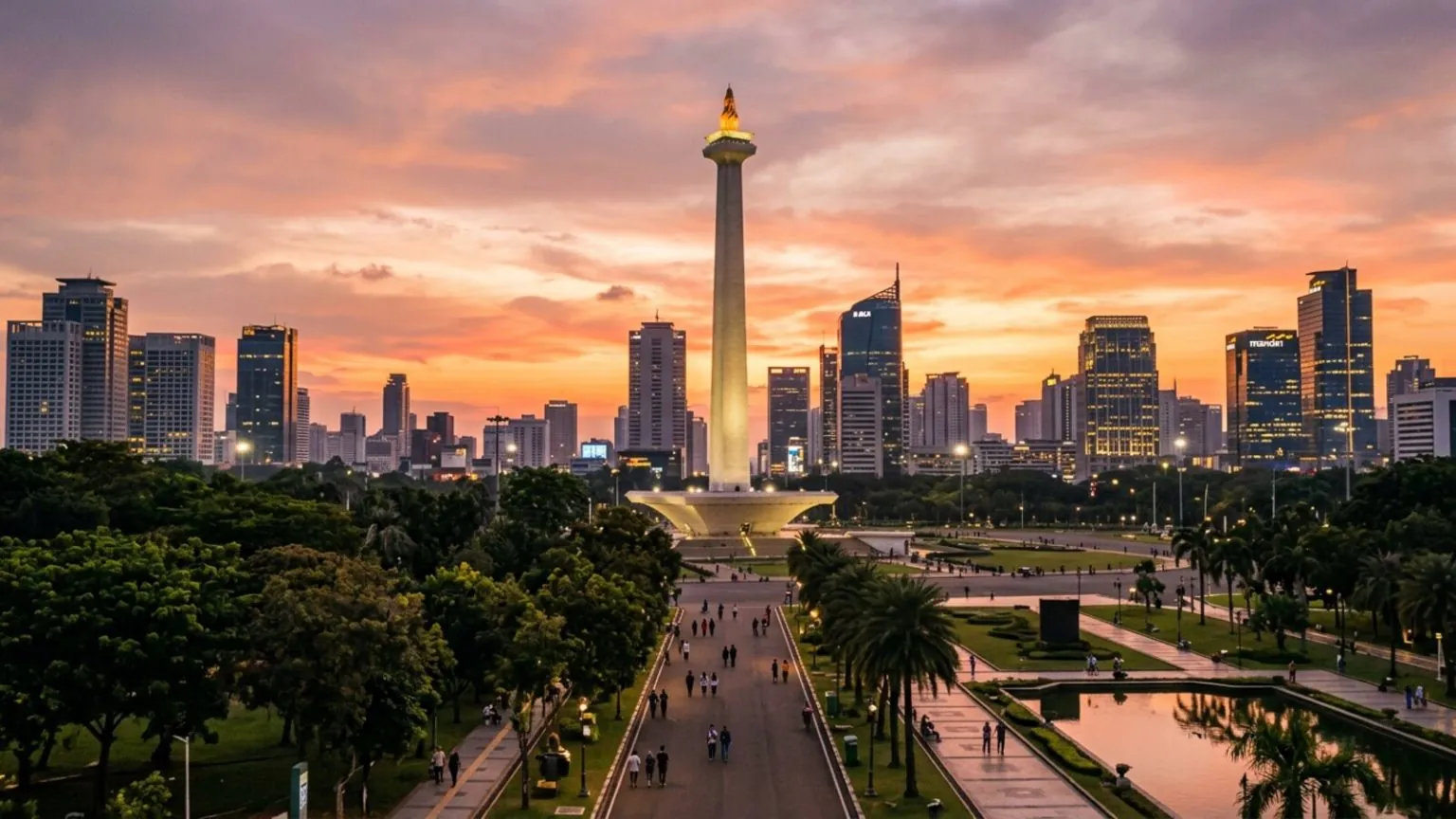
Study in Indonesia Budget
Cheaper alternative: Affordable; KNB government scholarships · ≈ $6k/yr all-in
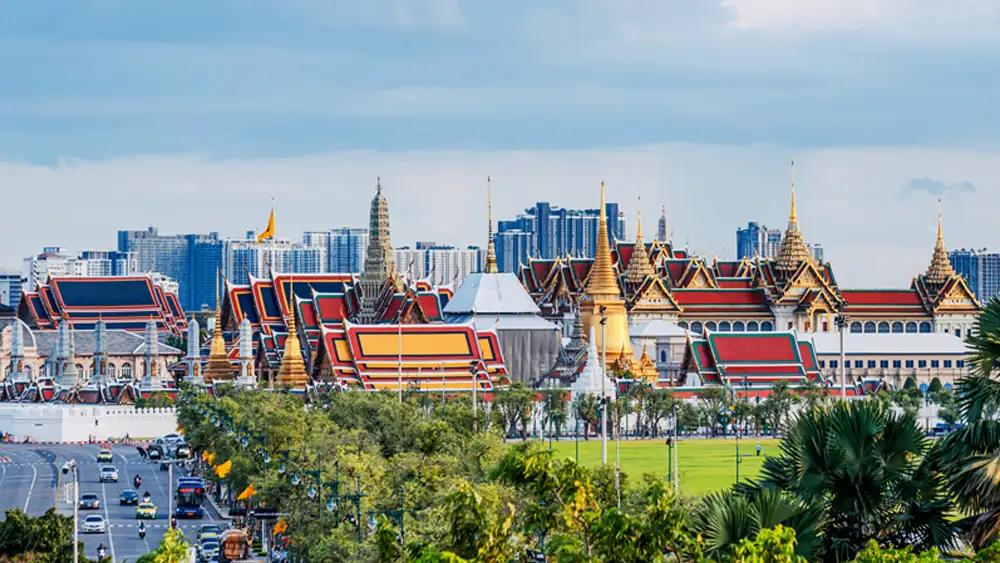
Thailand is Asia's friendliest study deal: international programmes at Mahidol, Chulalongkorn and the Asian Institute of Technology (AIT) from roughly US$2,000–8,000 a year, Bangkok living at US$600–1,000 a month, a large Muslim community with halal food on every corner, and direct flights home. It's the global capital of hospitality and tourism education by lived experience — millions of visitors a year are your case study. One honest boundary, stated upfront because we state everything upfront: Thailand has no automatic post-study work visa. Your career route runs through employer sponsorship — which is exactly why we build internships into your degree plan from semester one.
The complete, honest case for Thailand — the real fees, AIT and TIPP funding, the no-PSW reality and how to beat it, plus the exact route from Pakistan — in one short narrated briefing.
The Thailand video briefing is in production
The narrated 4-minute briefing for Thailand lands in this slot very soon. Until then, get the exact same briefing — live, personal, and free — from a counsellor who will map it to your grades and budget.
Thailand hosts tens of millions of visitors a year; its hotels, airlines, hospitals (medical tourism is huge) and MICE industry run at world standard. Study hospitality, tourism, business or health management where the industry actually happens — internships are embedded in the ecosystem around you.
The Asian Institute of Technology, just north of Bangkok, is an international postgraduate institute famous across Asia for engineering, environment, management and development studies — with a deep fellowship culture (including Royal Thai Government scholarships) and alumni networks in every ministry and multinational in the region.
International-college tuition from around US$2,000 a year, condo living with a pool for the price of a dorm room in the West, street food at a dollar a meal. A complete Thai degree can cost less than a single year in the UK — with the parchment from universities like Mahidol and Chulalongkorn, Thailand's own top tier.
Thailand has a large, established Muslim community: halal food is everywhere (including certified street food), mosques anchor Bangkok neighbourhoods, and universities are accustomed to Muslim students' needs. Parents who worry about food and faith abroad relax quickly here.
The UN's Asian hub, regional NGO headquarters, ASEAN supply chains and a startup scene all sit in Bangkok. For development studies, public health, logistics and business students, the city itself is a networking asset — and Chiang Mai offers a calmer, cheaper second campus city.
Thailand grants no automatic post-study work visa — graduates need an employer to sponsor a work permit, and student-visa holders can't legally moonlight without one. So the winning Thai strategy is internship-heavy study in hospitality, health, trade and NGOs where sponsorship happens. We build that plan with you upfront — eyes open, outcomes engineered.
Hospitality & Tourism ManagementBusiness AdministrationEngineering (AIT)Public Health & Tropical MedicineMedia & Communication ArtsCulinary ArtsLogistics & Supply ChainDevelopment StudiesComputer ScienceEnvironmental Studies
| Item | Guide figure | What to know |
|---|---|---|
| International-programme tuition | ≈ US$2,000–8,000 / year | Mahidol MUIC, Chulalongkorn international programmes, AIT and private international colleges — private internationals at the top of the band |
| Living costs | Bangkok ≈ US$600–1,000 · Chiang Mai ≈ US$450–750 / month | Condos with facilities are the student norm; food is famously cheap and excellent |
| ED visa funds evidence | Modest bank evidence (far below Western visas) | Requirements are set by the Thai embassy/consulate and your university's process — we confirm the current figure before you apply |
| Working during study | Not permitted on a student (ED) visa without a work permit | Plan finances without part-time income; curriculum internships are the legal experience route |
Comparing countries on cost? See how Austria compares — full cost guide or scan every option in the Mid-Range: Maximum Value budget hub.
The Thailand International Postgraduate Programme (TIPP) offers fully funded master's scholarships to partner developing countries — Pakistan has been among them — covering tuition, living and travel for priority fields. AIT layers its own fellowships (including Royal Thai Government and donor awards) that can cover most or all of a master's cost. Mahidol and Chulalongkorn international colleges add merit awards. Postgraduate applicants: Thailand's funding is far richer than its price tag suggests.
There is no post-study work visa: to stay and work you switch to a Non-Immigrant B visa with an employer-sponsored work permit, or qualify under the SMART Visa for targeted industries and experts. Realistic graduate employers: international hotels, hospitals, airlines, trade/logistics firms, NGOs and regional HQs. Our job is making you the candidate they sponsor — internships and Thai language basics are how.
Bachelor students target the international colleges (MUIC, Chula internationals, Stamford, Assumption); postgraduates target AIT and TIPP funding. We match route to budget and — critically — to your post-degree plan.
University admission triggers the Non-Immigrant ED visa; we assemble the embassy file and prepare you for the extension rhythm (reporting and renewals are part of Thai student life).
From semester one: curriculum internships, industry certifications and Thai language basics — the three assets that turn a Thai degree into a sponsored job or a powerful springboard elsewhere.
Not automatically — there's no post-study work visa. You stay by being sponsored: an employer hires you, converts your status to a Non-B visa and obtains your work permit. Hospitality groups, international hospitals, airlines, logistics firms and NGOs do sponsor foreign graduates, especially with internship history at their own organisation. Choose Thailand for the degree quality-per-rupee and the industry exposure; if guaranteed stay-back is your top priority, we'll show you countries built for that instead.
Many international colleges accept IELTS/TOEFL, their own English tests, or MOI evidence — requirements vary by institution and level. AIT and competitive programmes expect stronger English proof. Your shortlist states the exact evidence each target accepts, so you prepare once and correctly.
Degrees from recognised Thai universities go through HEC equivalence like other foreign degrees — stick to established institutions (our shortlists do) and keep documentation complete. For licensed professions, verify the specific route before enrolling, as with any destination.
Very. Bangkok has hundreds of mosques and halal restaurants in every district, universities host Muslim student societies, and Thailand's own Muslim community (especially in the south) is part of national life. Ramadan is accommodated, prayer spaces exist on major campuses, and parents consistently rate Thailand among the most comfortable destinations we place students in.
Legally, no — an ED student visa doesn't include work rights, and working without a permit risks your status. Budget Thailand on its (genuinely low) costs without part-time income, and use curriculum internships for experience. Any agent who promises casual part-time work in Thailand is risking your visa, not theirs.
Still weighing it up? Browse the Southeast Asia region hub or the Mid-Range: Maximum Value budget hub to compare Thailand against its closest alternatives.
Four honest alternatives drawn from the Southeast Asia region hub, the Mid-Range budget tier and the premium step-up shelf — each with the reason it belongs on your shortlist.
Cheaper alternative: Affordable; KNB government scholarships · ≈ $6k/yr all-in
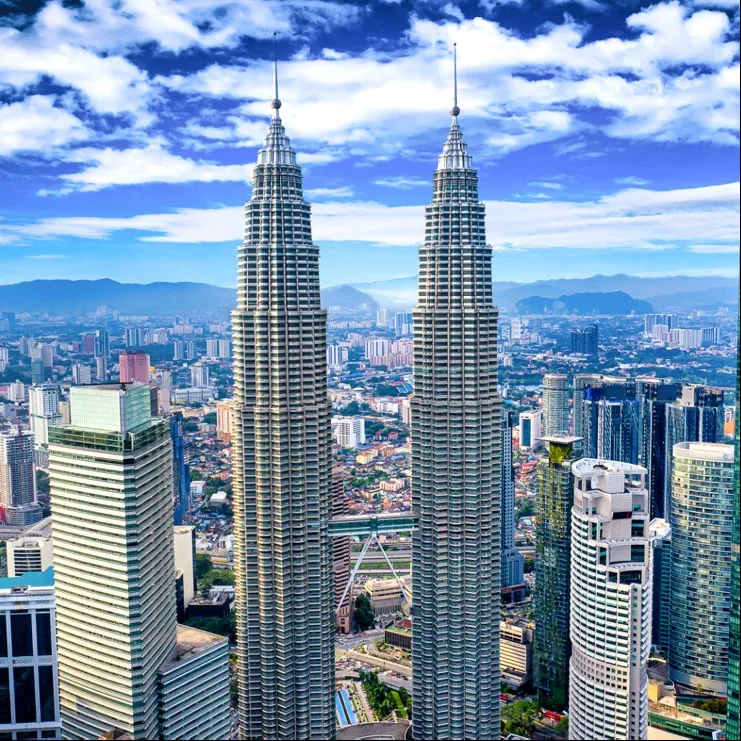
Also in Southeast Asia: UK/Aus branch campuses & twinning degrees · ≈ $11k/yr all-in
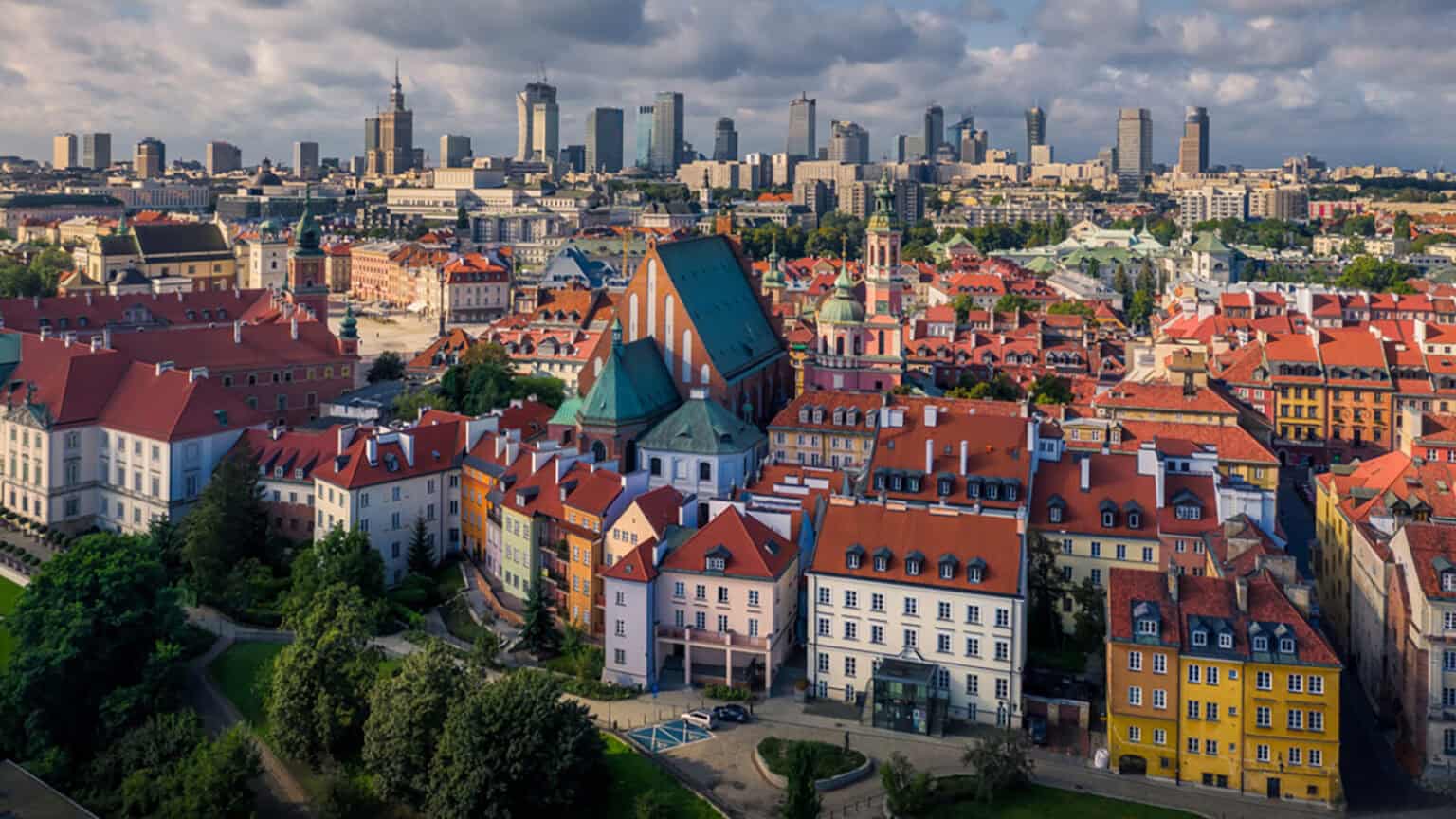
Same budget (Mid-Range), different map: MBBS & engineering in English; strong value · ≈ $11k/yr all-in
The aspirational step-up: 1-year master's; Graduate Route; every field · ≈ $38k/yr all-in