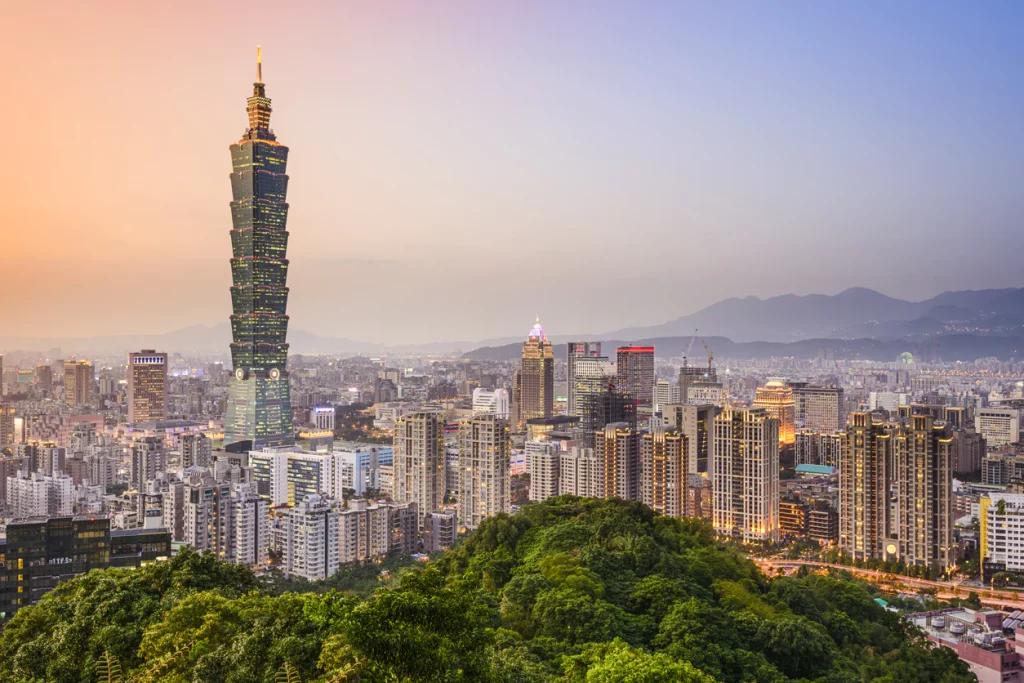
Study in Taiwan Budget
Cheaper alternative: Semiconductors & engineering; MOE scholarships; safe & affordable · ≈ $10k/yr all-in
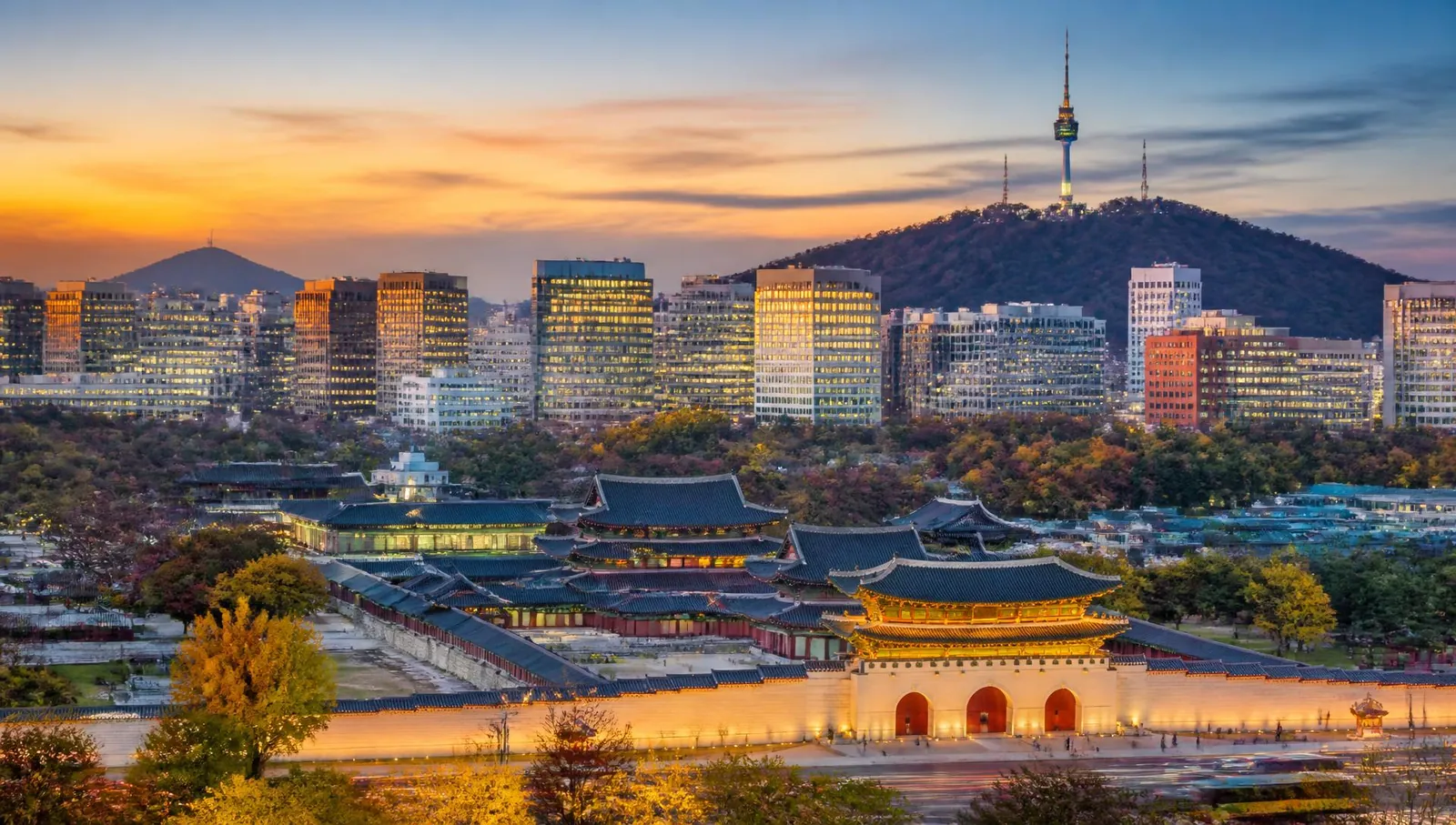
Korea’s Global Korea Scholarship (GKS) is a full ride — tuition, airfare, a settlement and monthly allowance, insurance, plus a funded Korean-language year. Beyond it, universities compete for international students with merit waivers of 30–100%, English-taught programmes keep expanding, and graduates step toward Samsung, Hyundai, SK and a content industry the whole world watches. Seoul is safe, wired and exhilarating — and Korean ability (TOPIK) is the key that unlocks its job market.
The complete, honest case for South Korea — GKS, merit waivers, TOPIK strategy, and the exact route from Pakistan — in one short narrated briefing.
The South Korea video briefing is in production
The narrated 4-minute briefing for South Korea lands in this slot very soon. Until then, get the exact same briefing — live, personal, and free — from a counsellor who will map it to your grades and budget.
The Global Korea Scholarship funds tuition, airfare, settlement and monthly living allowances, insurance and a Korean-language year before your degree — for undergraduate and graduate students, via embassy and university tracks. It is competitive, grade-led and age-limited for undergraduates; a precisely built file is how Pakistanis win it.
Outside GKS, Korean universities routinely award entrance waivers of 30–100% based on grades and language scores, renewed on GPA. Combined with mid-range sticker prices, a strong student’s real tuition bill can shrink dramatically — our shortlists quote post-waiver numbers.
Semiconductors, EVs, shipbuilding, gaming, K-content: Korea’s export champions hire globally-minded graduates, and government policy actively targets growing international-student numbers. Engineering, CS and business graduates with TOPIK on the CV stand out in exactly the right queues.
English-taught programmes (especially at graduate level and international colleges) let you start without Korean. But TOPIK levels multiply part-time options, visa points and job offers — so your plan includes structured Korean study from semester one, mostly free through university and government programmes.
World-leading transit and internet, 24-hour convenience culture, K-drama streets you already know from your screen — and safety statistics parents appreciate. Regional cities (Busan, Daejeon, Gwangju) cut living costs while keeping ranked universities.
Pakistanis form one of Korea’s established Muslim communities — halal restaurants and the Seoul Central Mosque anchor life in Itaewon, with student societies at every major university. You’ll find both ambition and familiarity here.
Computer Science & AIEngineering (Semiconductor, Mechanical)Business & International TradeMedia, Film & ContentKorean Language + DegreeDesign & FashionBiotechnologyInternational StudiesData ScienceHospitality & Tourism
| Item | Guide figure | What to know |
|---|---|---|
| Tuition — undergraduate | ≈ ₩4,000,000–8,500,000 / year | Humanities at the low end; engineering, arts & medicine higher — before merit waivers |
| Tuition — postgraduate | ≈ ₩5,000,000–11,000,000 / year | Graduate waivers and lab assistantships can cut this substantially |
| Living costs (Seoul) | ≈ ₩800,000–1,300,000 / month | Dormitory living anchors the low end; regional cities cost less |
| Visa funds evidence | Bank certificate often ≈ US$20,000 | The exact figure varies by embassy & university — we confirm yours before you arrange funds |
Comparing countries on cost? See how Austria compares — full cost guide or scan every option in the Mid-Range: Maximum Value budget hub.
GKS (embassy track and university track) is the flagship; university merit waivers of 30–100%, TOPIK-score bonuses and departmental assistantships stack beneath it. Our Korea files always run GKS and waiver-secured direct offers in parallel, so a competitive “no” never costs you the intake.
Graduates can move to the D-10 job-seeking status (points-based, extendable) and then an E-7 work visa with a qualifying job — Korean degree, TOPIK level and salary all earn points in your favour. There’s no automatic PR, but Korea’s system transparently rewards exactly the profile an international graduate builds. We plan your points from semester one.
We grade your profile for GKS (grades, age limits, track choice) and simultaneously secure waiver-backed direct offers — ambition with a safety net.
Korea runs on apostilles and exact-name documents. We prepare, translate and verify every paper, and arrange the bank certificate to your embassy’s current specification.
Visa issued against a complete file; arrival briefing covers residence registration, dorm move-in, part-time permission rules and your TOPIK class enrolment.
Not for English-taught programmes — and GKS includes a funded language year. But graduation isn’t the finish line: TOPIK 3–4+ transforms part-time work, D-10 points and hiring. Every plan we write includes a TOPIK runway; students who take it seriously graduate with a different career than those who don’t.
GKS is strongly grade-led (top percentages convert best), with age limits for the undergraduate track and annual calls that open months ahead. We’ll grade your chances honestly — and because our files run a waiver-backed direct track in parallel, applying for GKS never gambles your year.
Embassies commonly ask for a bank certificate around US$20,000 in the sponsor’s name (the exact figure and holding period vary by embassy and university — we confirm yours precisely before funds are arranged). Weak or last-minute certificates are the classic refusal trigger; ours are prepared early and cleanly.
Yes, with university and immigration permission — hours are capped and higher TOPIK levels unlock more hours and better jobs. Budget on family funds for tuition; treat part-time earnings as living-cost support, exactly as the visa intends.
Seoul has a long-established Muslim community around Itaewon and the Seoul Central Mosque, halal options keep expanding, and universities increasingly provide prayer facilities. Regional cities are quieter on halal infrastructure — a factor we weigh openly in your city choice.
Still weighing it up? Browse the East Asia region hub or the Mid-Range: Maximum Value budget hub to compare South Korea against its closest alternatives.
Four honest alternatives drawn from the East Asia region hub, the Mid-Range budget tier and the premium step-up shelf — each with the reason it belongs on your shortlist.
Cheaper alternative: Semiconductors & engineering; MOE scholarships; safe & affordable · ≈ $10k/yr all-in
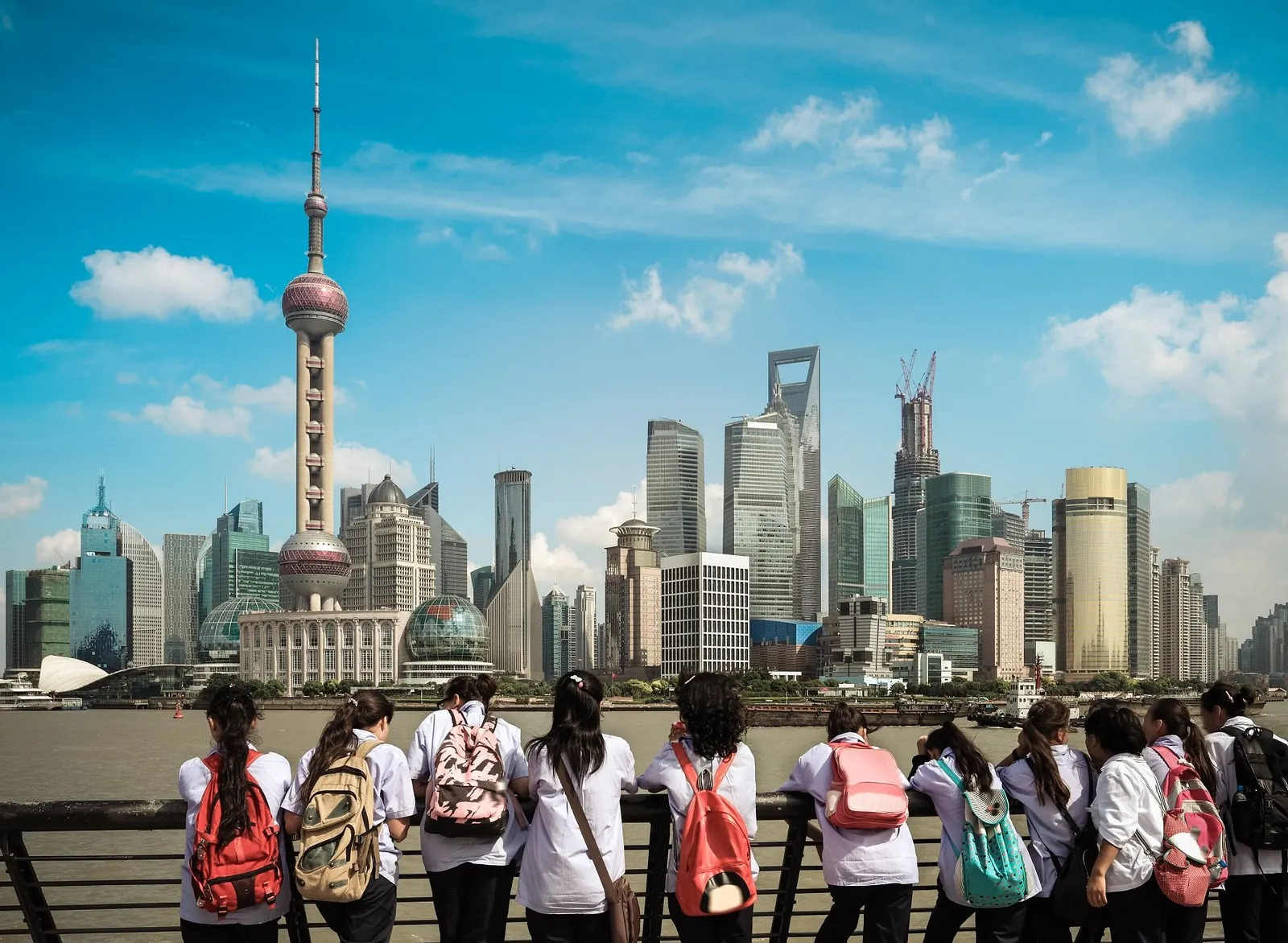
Cheaper alternative: CSC & university scholarships; MBBS, engineering, business · CSC can cover everything · self-funded ≈ $7k/yr
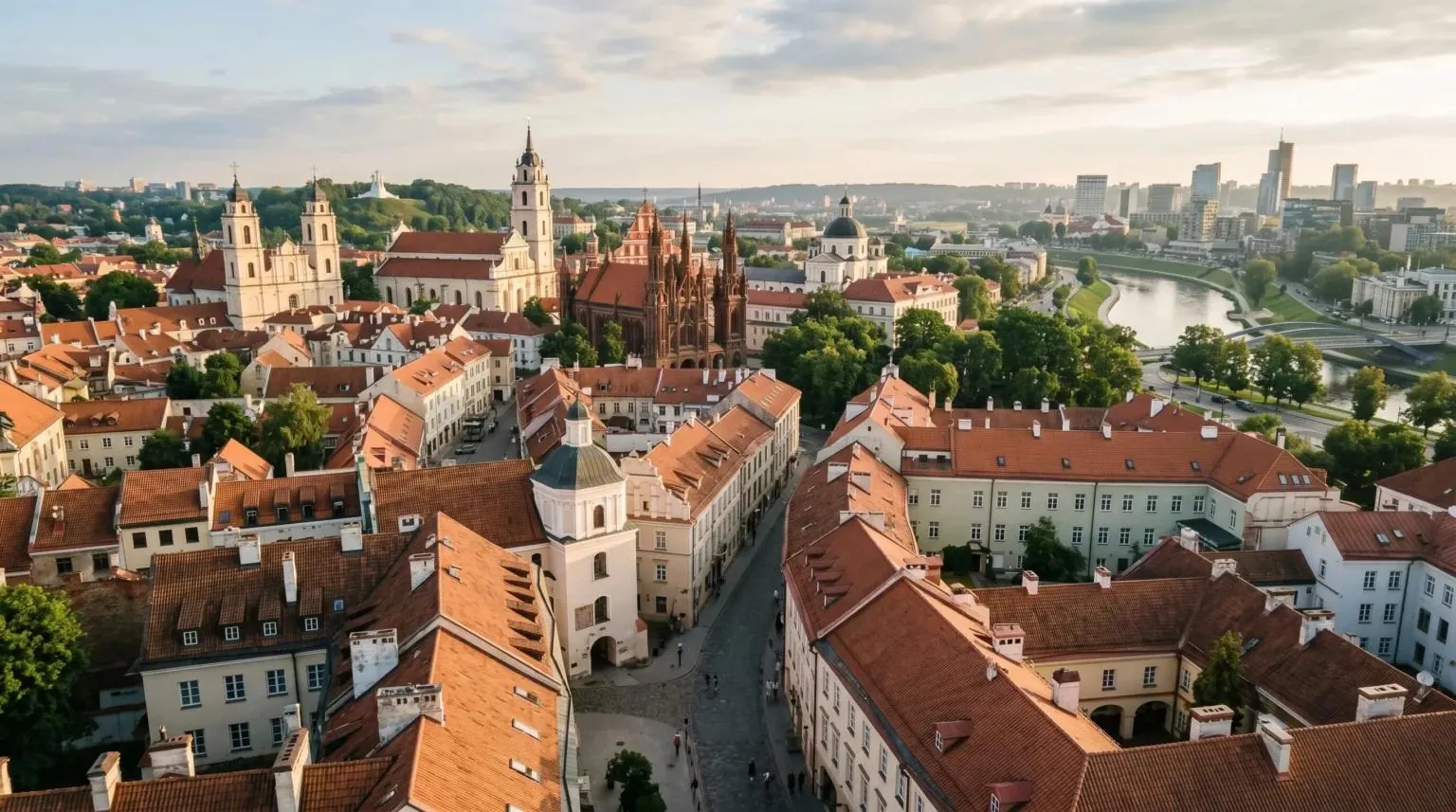
Same budget (Mid-Range), different map: Fintech, life sciences, MBBS routes · ≈ $12k/yr all-in
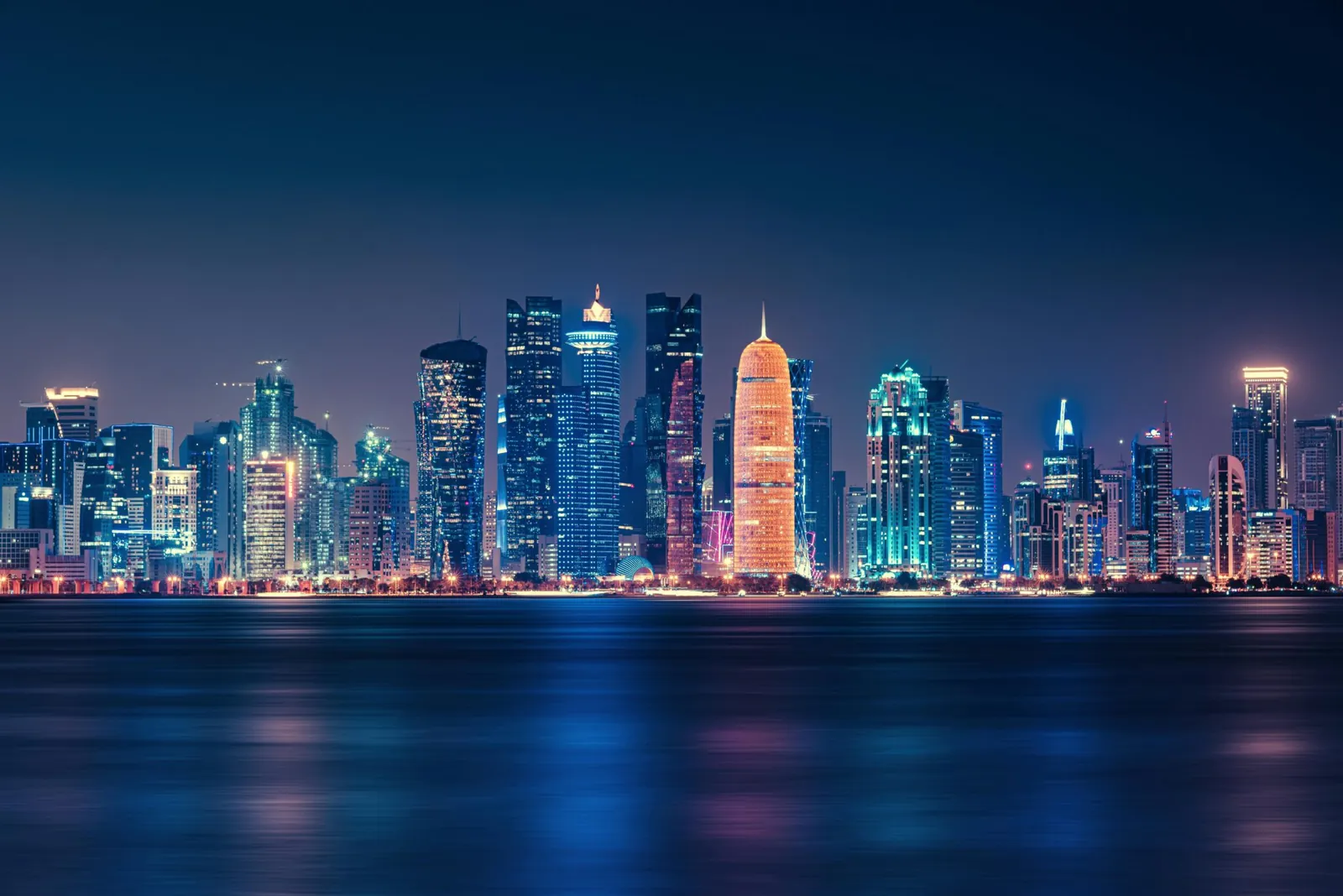
The aspirational step-up: Education City branch campuses; HBKU & QU scholarships · Education City · aid can cut costs deeply