
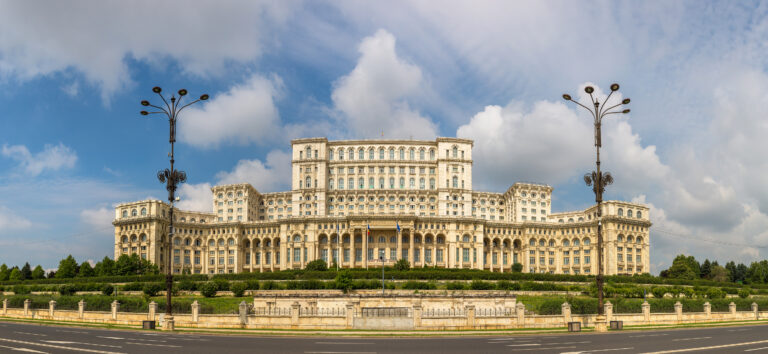
Study in Romania Budget
Cheaper alternative: MBBS & dentistry in English/French · ≈ $10k/yr all-in
France runs one of the world’s great education systems and charges non-EU students a few thousand euros a year at public universities — in the country of Paris, Airbus and LVMH. Elite grandes écoles, a fast-growing shelf of English-taught programmes, housing aid that pays part of your rent, and a 2-year post-master’s permit to find work: France is Europe’s prestige play at a mid-range price. The honest trade-off is the language — come with a French plan and France opens completely.

The complete, honest case for France — the real public fees, the APS stay-back, the language reality, and the exact route from Pakistan — in one short narrated briefing.
The France video briefing is in production
The narrated 4-minute briefing for France lands in this slot very soon. Until then, get the exact same briefing — live, personal, and free — from a counsellor who will map it to your grades and budget.
Alongside the universities sit the grandes écoles — HEC Paris, Polytechnique, Sciences Po, ESSEC, emlyon — institutions whose names run global business and politics. They charge more (often €15,000–20,000+/year at the business schools), and for the right profile they are worth every euro. We help you choose the tier that fits your ambition and your budget.
At public universities, non-EU tuition is typically around €2,770/year for a bachelor’s and €3,770/year for a master’s — and many universities still exempt international students down to near the old EU rate. Same lecture halls as Germany’s free system, with Paris attached.
Almost every student in France — foreign students included — can claim CAF housing aid (APL), which refunds a real share of your monthly rent. It is one of the most generous student-support systems in Europe, and we walk you through claiming it in your first month.
Finish a master’s in France and you can typically apply for the APS — a residence permit of up to 2 years to look for work or start a business. Land a qualifying job and you move onto a work permit, with long-term residence counting from your student years. France doesn’t just educate you; it gives you time to convert.
More than 1,700 programmes are now taught in English (Campus France’s catalogue grows every year), concentrated at master’s level and in business, engineering and data. But internships, part-time jobs and French employers run on French. Our standard plan: arrive in English, study French free at university, leave bilingual — and twice as employable.
Lyon, Toulouse, Montpellier, Nantes, Lille and Grenoble deliver ranked universities, big student populations and rents Paris can’t match — with Airbus in Toulouse, tech in Grenoble and France’s food capital in Lyon. Your shortlist weighs city cost as seriously as university rank.
Business & Luxury ManagementEngineering (Grandes Écoles)Computer Science & AIFashion, Art & DesignCulinary Arts & HospitalityPolitical Science & IRData ScienceFilm & MediaPublic HealthArchitecture
| Item | Guide figure | What to know |
|---|---|---|
| Public university tuition | ≈ €2,770 / yr bachelor · €3,770 / yr master | Set nationally for non-EU students; many universities grant partial exemptions — we target those first |
| Grandes écoles & private schools | ≈ €10,000–22,000 / year | Business schools at the top end; justified only with a clear career plan |
| Living costs | ≈ €900–1,500 / month in Paris · €700–1,000 elsewhere | Rent dominates; CAF aid typically refunds a meaningful share for eligible students |
| Visa funds proof | ≈ €615 / month of study | The standard planning figure for the student visa — plus first-term practicalities we itemise for you |
Comparing countries on cost? See how Austria compares — full cost guide or scan every option in the Mid-Range: Maximum Value budget hub.
The Eiffel Excellence Scholarship pays a monthly allowance (around €1,181/month at master’s level) to top international students — universities nominate you, so your shortlist is your scholarship strategy. Add Campus France and embassy awards, university fee exemptions that quietly cut public tuition, and Erasmus Mundus joint masters with full funding. France rewards early, excellent files.
After a French master’s (or equivalent), the APS permit typically gives you up to 2 years in France to find a job or build a company; a qualifying job converts to a work residence permit, and the “passport talent” route fast-tracks highly qualified profiles. Part-time work during study is capped at 964 hours/year (about 20 hrs/week) — enough to support living costs in most cities outside central Paris.
France runs on the Études en France / Campus France procedure before the visa — transcripts, language plan, programme choices. We open your file a full cycle ahead so deadlines never ambush you.
We balance public vs. grande école, English-taught vs. French-taught, Paris vs. the great student cities — and lock in Eiffel nominations and fee exemptions where your profile qualifies.
VLS-TS visa validated on arrival, housing hunt sequenced before you fly, CAF claim, bank account and residence steps in a first-week checklist.
Not for the growing list of English-taught programmes — especially master’s degrees in business, engineering, data and international affairs. But be honest with yourself: bachelor’s programmes are still mostly French-taught, and daily life plus the job market run on French. Our plan gets you admitted in English and graduated bilingual, with free university French courses built into your timetable.
That is the official planning benchmark for the student visa — but Paris rent alone can pass it. We build your file on the official figure and a realistic city budget, so your visa case is credible and your family knows the true cost before committing.
Eiffel is competitive and nomination-only — universities put forward their strongest admitted candidates, mostly for master’s and PhD programmes in science, engineering, economics, law and political science. High grades plus an early, well-matched application is the formula; we grade your chances honestly and never sell it as a promise.
Yes — up to 964 hours per year (roughly 20 hours a week in term), on or off campus, without a separate work permit. In Lyon, Toulouse or Montpellier that can cover a large share of living costs; in Paris, treat it as serious help, not full funding.
French student refusals usually trace back to an incoherent study plan, weak funds evidence or a Campus France interview that didn’t convince. All three are preparation problems — and preparation is the product. We rehearse your interview and audit your file the way the consulate will.
Still weighing it up? Browse the Europe – Schengen region hub or the Mid-Range: Maximum Value budget hub to compare France against its closest alternatives.
Four honest alternatives drawn from the Europe – Schengen region hub, the Mid-Range budget tier and the premium step-up shelf — each with the reason it belongs on your shortlist.
Cheaper alternative: MBBS & dentistry in English/French · ≈ $10k/yr all-in

Also in Europe – Schengen: Medicine & engineering value route · ≈ $11k/yr all-in
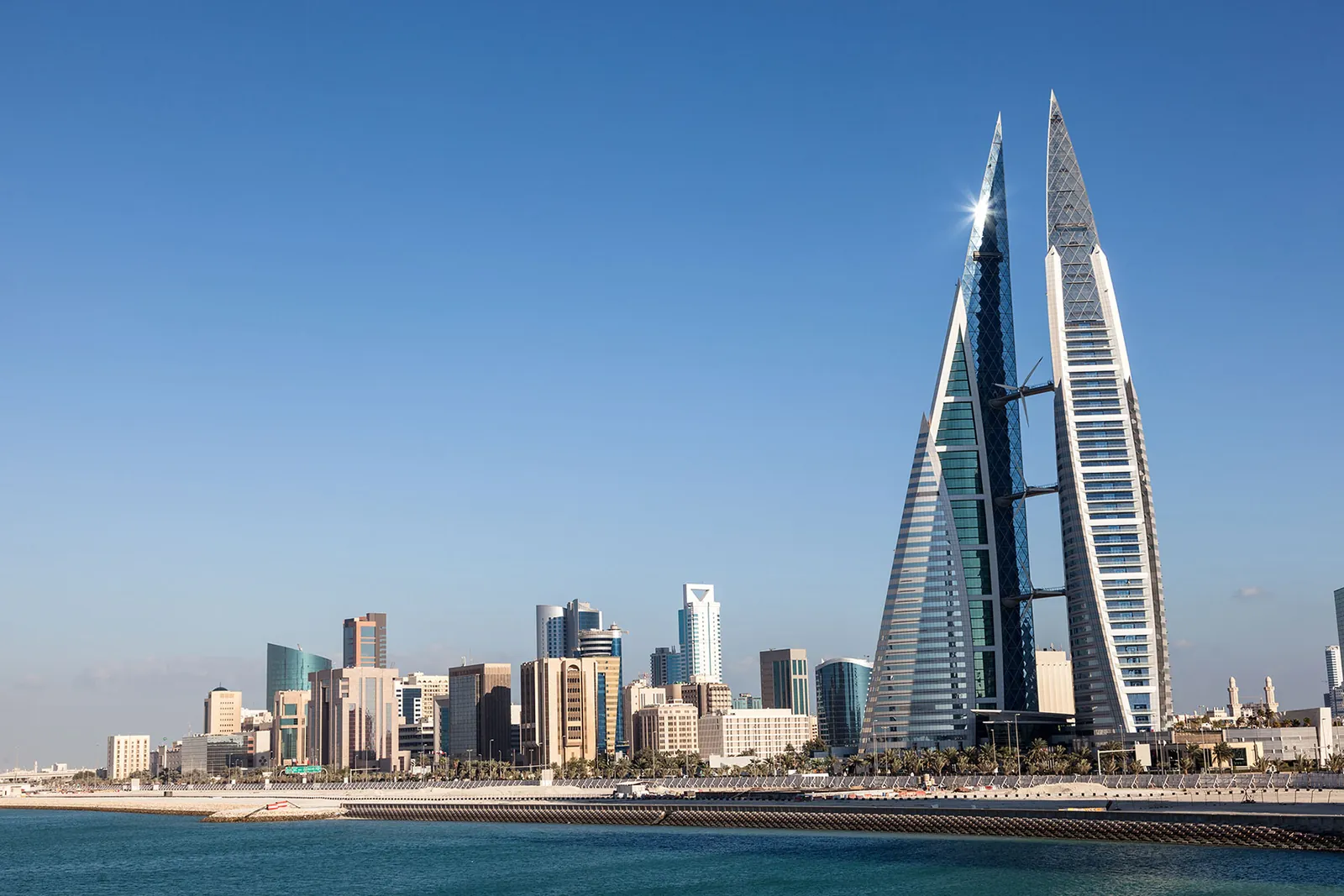
Same budget (Mid-Range), different map: UK & US branch campuses in Manama · ≈ $18k/yr all-in
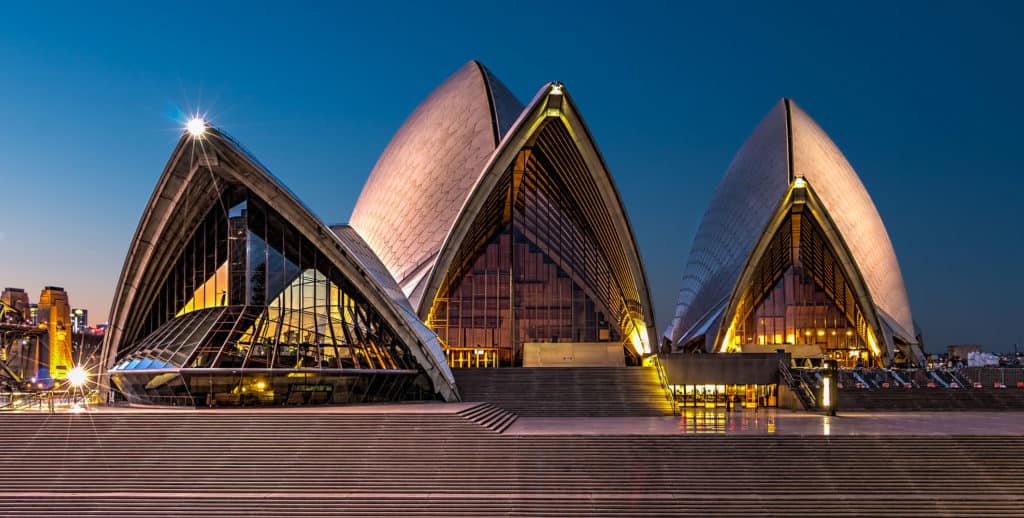
The aspirational step-up: Top-100 universities; post-study work focus · ≈ $38k/yr all-in