
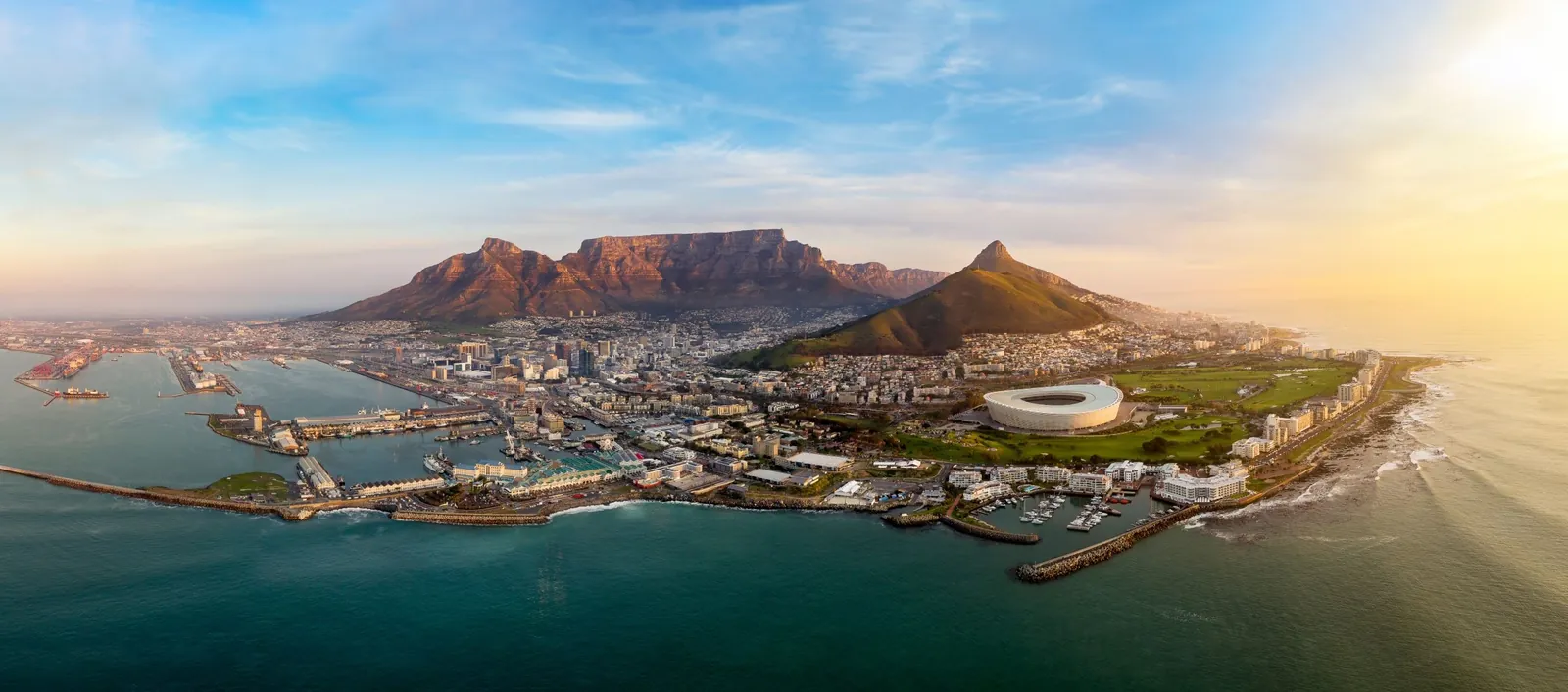
Study in South Africa Mid-Range
Also in Africa: Strong universities; research depth · ≈ $12k/yr all-in
Morocco is quietly becoming the education crossroads of North Africa: public universities that charge international students nominal fees, a flagship polytechnic (UM6P) teaching in English with serious scholarship funding, an American-model liberal-arts university (Al Akhawayn) in the cedar hills of Ifrane, and Casablanca–Rabat campuses plugging into French and European networks — all in a stable, Muslim-majority kingdom where a Pakistani student is culturally at home from the first day. The honest framing, printed up front: the public system teaches in French and Arabic, so English-only students belong at the English-medium institutions, and there is no formal post-study work scheme. Within those facts, this page makes the strongest honest case.
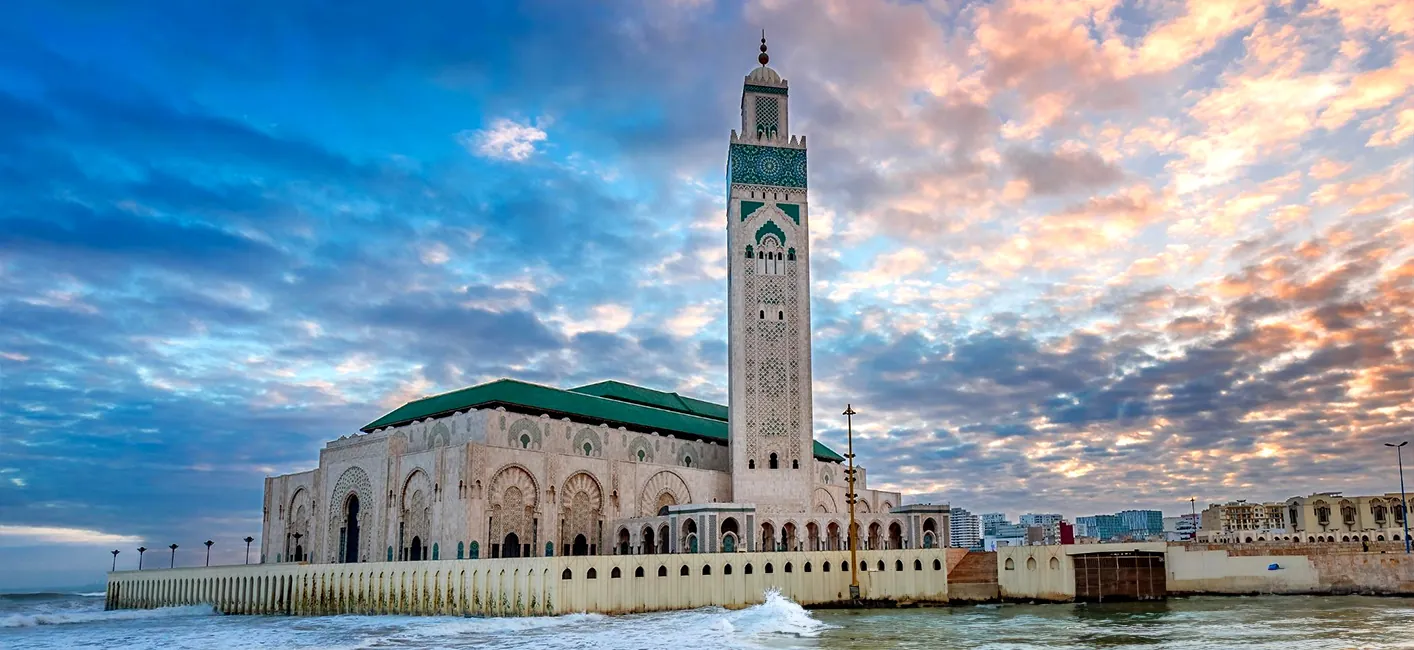
The complete, honest case for Morocco — the English-medium flagships, the AMCI scholarship route, the real costs, and the exact route from Pakistan — in one short narrated briefing.
The Morocco video briefing is in production
The narrated 4-minute briefing for Morocco lands in this slot very soon. Until then, get the exact same briefing — live, personal, and free — from a counsellor who will map it to your grades and budget.
Mohammed VI Polytechnic University is Morocco's statement institution: English-medium, research-driven, built around Africa's development challenges — agriculture, green energy, mining, AI, health — with modern campuses at Benguerir and Rabat and scholarship funding that covers strong international students generously. For a Pakistani student who wants English teaching and real funding in a Muslim-majority country, UM6P is the headline act.
In the mountain town of Ifrane sits one of the world's most distinctive universities: Al Akhawayn University, an American-model, English-medium liberal-arts institution with US-style dorms, small classes and exchange networks into the US and Europe. Fees are the highest in Morocco (roughly US$8,000–14,000 a year band) — and still a fraction of the American original it faithfully mirrors.
Mohammed V (Rabat), Hassan II (Casablanca), Cadi Ayyad (Marrakech) and the national network charge nominal registration-scale fees, with medicine, engineering (via the grandes écoles concours) and sciences taught in French, humanities largely in Arabic. For students from French-medium or Arabic-strong backgrounds — and those willing to invest in a French foundation year — Morocco's public degree is among the cheapest credible options on Earth.
Morocco is a Maliki Muslim kingdom where halal life is total, hospitality is a national art, and Pakistani students report the warmest of welcomes. Geographically it sits fourteen kilometres from Spain — students travel, families visit, and the country's European partnerships (Erasmus+ links, French double degrees) make it a genuine bridge between Africa and Europe rather than an endpoint.
Morocco builds cars (Renault, Stellantis), aircraft components, phosphates and solar farms at continental scale, and is investing heavily in green hydrogen and tech — demand that pulls engineers, data graduates, logisticians and business talent into Casablanca, Tangier and the new industrial zones. French fluency multiplies employability here; English-medium graduates aim at the multinationals and the tech sector.
Living costs around US$400–700 a month, political stability rare in the region, direct connections through Gulf and European hubs, and a student-residence process administered through the universities and AMCI channels. For parents weighing safety, faith environment and budget in one decision, Morocco answers all three without strain.
Engineering & Green Energy (UM6P)Computer Science & AIBusiness & Liberal Arts (Al Akhawayn)Medicine (French-medium publics)Agriculture & Food ScienceArchitectureLaw & Political ScienceHospitality & TourismIslamic StudiesData Science
| Item | Guide figure | What to know |
|---|---|---|
| Tuition — public universities | Nominal (registration-scale) | For French/Arabic-medium programmes; selective tracks (medicine, grandes écoles) admit by competitive examination |
| Tuition — English-medium flagships | UM6P ≈ US$5,000–10,000 / yr · Al Akhawayn ≈ US$8,000–14,000 / yr | Before scholarships — UM6P in particular funds strong files generously; quoted per university in your shortlist |
| Living costs | Rabat / Casablanca ≈ US$400–700 / month | Among the lowest on our list; Ifrane and Marrakech vary by season and housing choice |
Comparing countries on cost? See how Albania compares — full cost guide or scan every option in the Best Budget Destinations budget hub.
Morocco runs one of the more structured scholarship offers on this list: the AMCI (Moroccan Agency for International Cooperation) administers government scholarships for students from partner countries — a channel through which Pakistani applicants have historically been nominated via embassy and HEC-side processes — typically covering public-university tuition with allowances per the call's terms. Alongside it, UM6P's own scholarship scheme funds strong international students on merit and need, and Al Akhawayn publishes merit awards. Cycles and quotas change; our Morocco files are built scholarship-first with self-funded figures confirmed in parallel.
Morocco has no formal post-study work scheme: staying after graduation means employment with a work-authorised residence permit, which Moroccan and multinational employers do arrange — most fluently for French-speaking graduates in industry, tech and services. Student-status work is limited and never a funding plan. We frame Morocco honestly: an exceptionally affordable, culturally comfortable degree — strongest when paired with French or with UM6P/Al Akhawayn's international networks — with residence outcomes earned through hiring, not promised with the diploma.
English-medium flagship vs. near-free public system settled against your language position and budget — including what a French foundation year would cost and unlock. In writing.
UM6P vs. Al Akhawayn vs. the public network compared on your exact programme, AMCI and university-scholarship realism, and total cost to graduation — net figures, not brochure figures.
Admission and student residence completed, document equivalency for your Pakistani qualifications handled, housing and a first-month checklist in hand before you fly.
At the English-medium flagships — UM6P (English-taught, scholarship-funded) and Al Akhawayn (fully American-model) — or nowhere, and we mean that helpfully: the public system's French/Arabic teaching makes it a poor plan for an English-only student without a language year. The good news is that the two English doors are genuinely strong, and daily life in Morocco is navigable while your French or Darija grows. Your shortlist will only ever contain programmes whose teaching language you can actually succeed in.
The Moroccan Agency for International Cooperation offers government scholarships to students from partner countries under bilateral arrangements; Pakistani candidates have historically applied through the official nomination channels announced for each cycle, with awards typically covering public-university study and associated allowances per the call's terms. Quotas, eligible fields and deadlines are set per cycle and are not ours to promise — what we do is track the call, prepare your file to its exact specification, and keep a self-funded plan B priced in parallel so your year never depends on a single decision in Rabat.
On the public route: living costs dominate — commonly US$25,000–45,000 across a full degree, tuition near zero. At UM6P or Al Akhawayn before scholarships: roughly US$55,000–100,000 across a degree — with UM6P funding cutting strong files dramatically. Your written plan prices your door and your realistic scholarship position, to completion.
For the English-medium universities, expect an English proficiency requirement — IELTS/TOEFL or the university's own assessment, with thresholds varying by institution and level (Al Akhawayn, as an American-model institution, is the most formal about it). French-medium routes assess French instead. Your shortlist states each institution's exact current requirement; no guessing.
There is no automatic stay-back: remaining means a job with work-authorised residence, which employers in industry, tech, tourism and services do sponsor — overwhelmingly more easily for graduates who add French to their degree. Many of our Morocco-minded students treat the degree as the affordable foundation and the career as regional or European-facing, using Morocco's partnership networks deliberately. If guaranteed post-study residence is your first priority, we will show you the destinations that offer it before you commit here.
Still weighing it up? Browse the Africa region hub or the Best Budget Destinations budget hub to compare Morocco against its closest alternatives.
Four honest alternatives drawn from the Africa region hub, the Budget budget tier and the premium step-up shelf — each with the reason it belongs on your shortlist.
Also in Africa: Strong universities; research depth · ≈ $12k/yr all-in
Same budget (Budget), different map: English-taught medicine; scholarships; recognition-checked · ≈ $8k/yr all-in
The aspirational step-up: Quality + lifestyle; Green List aligned courses · ≈ $32k/yr all-in
Same budget (Budget), different map: Medicine in English; Central Asia hub · ≈ $9k/yr all-in