
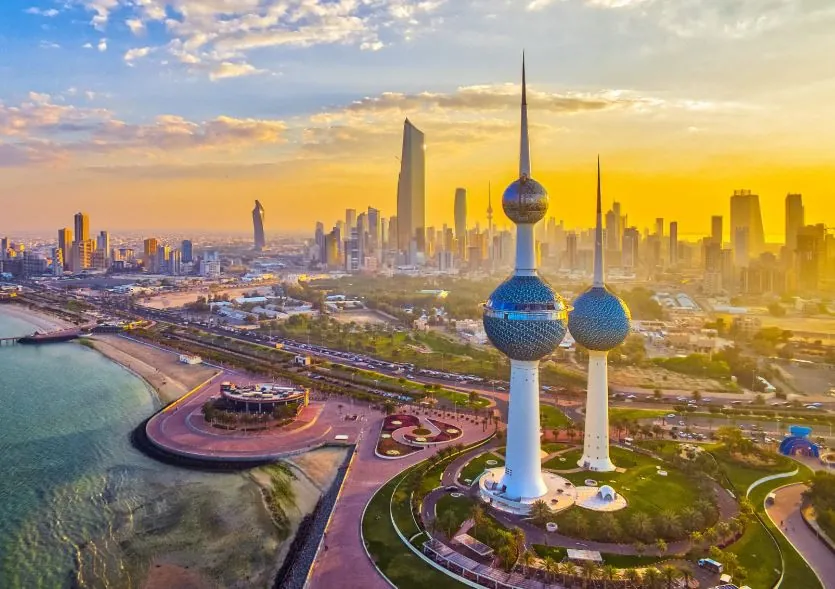
Study in Kuwait Premium
Also in Middle East & Gulf: American-model private universities; Gulf family base · ≈ $24k/yr all-in
Iran's medical universities are genuinely formidable: Tehran University of Medical Sciences, Shahid Beheshti and Shiraz University of Medical Sciences run large, English-taught MD/MBBS and dentistry programmes that draw students from across Asia, at fees a fraction of anywhere else on this list — and Iran's universities actively welcome Pakistani students, with scholarship schemes and a shared cultural and religious heritage that makes settling in unusually natural. Now the honesty, up front, because Iran demands it: international banking sanctions make moving money in and out genuinely difficult, most non-medical degrees are taught in Persian, there is no post-study work route, and an Iran MBBS must pass Pakistan Medical Commission recognition checks before it is worth anything at home. This page makes the strongest honest case — for the students whose situation fits.
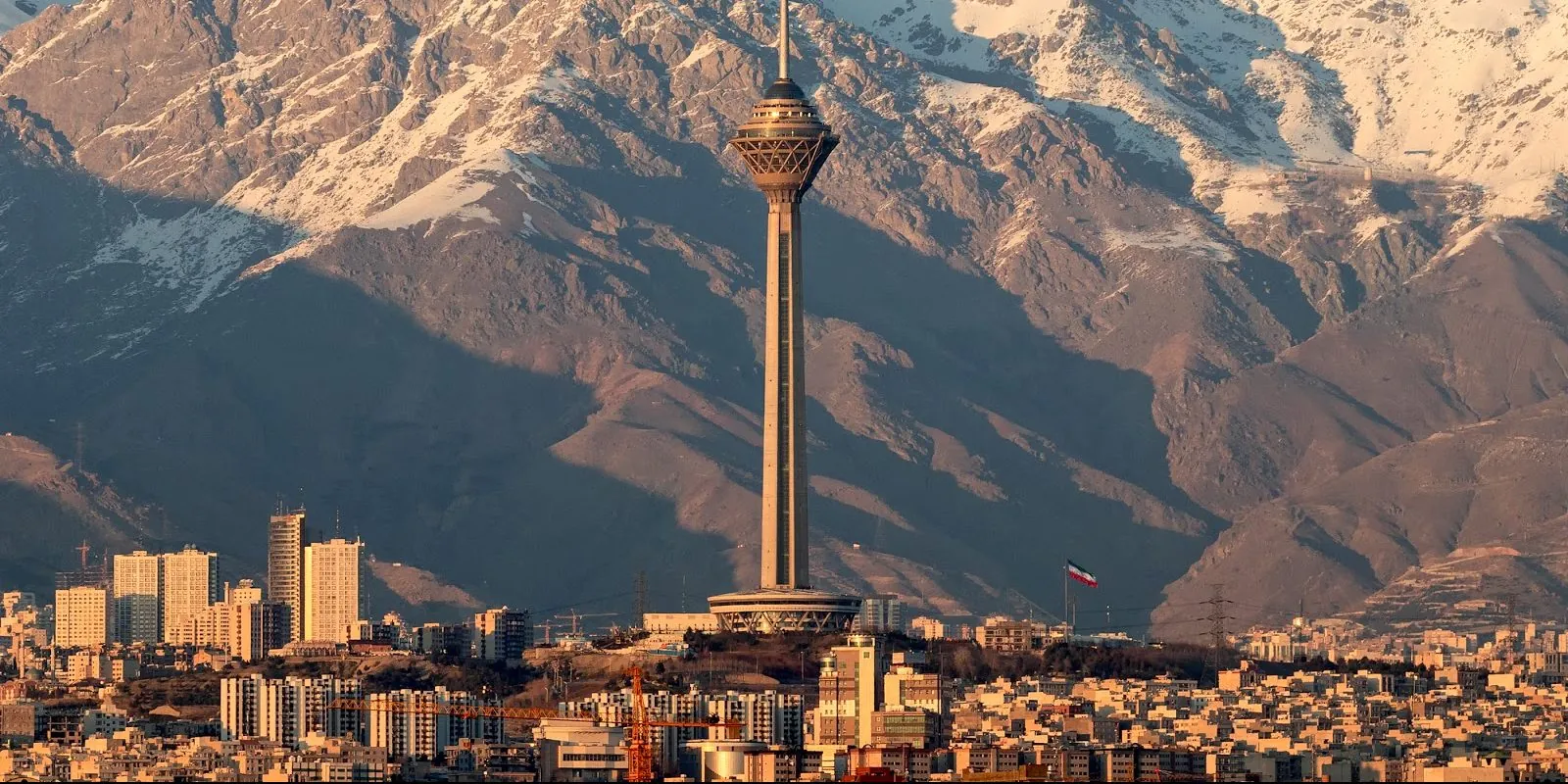
The complete, honest case for Iran — the medical universities, the scholarship routes, the real costs, the sanctions and recognition realities, and the exact route from Pakistan — in one short narrated briefing.
The Iran video briefing is in production
The narrated 4-minute briefing for Iran lands in this slot very soon. Until then, get the exact same briefing — live, personal, and free — from a counsellor who will map it to your grades and budget.
Tehran University of Medical Sciences is Iran's oldest and largest medical institution, with teaching hospitals, research output and international cohorts most low-cost destinations cannot match; Shahid Beheshti (SBMU) and Shiraz University of Medical Sciences run similarly scaled English-taught MD, dentistry and pharmacy programmes built specifically for international students, with dedicated international campuses and admissions offices.
English-taught medicine in Iran commonly runs ≈US$3,000–8,000 a year with living costs of a few hundred dollars a month — a complete medical degree for what a single year costs in many countries. For families priced out of private MBBS at home and unwilling to gamble on weak colleges elsewhere, Iran's combination of institutional depth and price is, frankly, unmatched.
Iran actively courts Pakistani students: shared faith, centuries of cultural exchange, Persian's deep imprint on Urdu, and a large existing Pakistani student community in Tehran, Mashhad and Shiraz. Visas for Pakistani students are comparatively straightforward through university admission, and families consistently report the social settling-in as the easiest of any destination on our list.
The University of Tehran, Sharif University of Technology (engineering) and peers are academically strong and extraordinarily cheap — but teach predominantly in Persian. For students willing to complete a Persian-language foundation year, Iran opens a full-spectrum, near-minimal-cost university system; without Persian, the realistic menu is medicine, dentistry, pharmacy and selected English-taught master's programmes. We map which applies to you before anything else.
For students of Islamic scholarship, Iran is a destination in its own right: the seminaries of Qom and universities such as Al-Mustafa International University run structured programmes for international students of religious studies, often scholarship-supported. It is a specialised route — and for the families who seek it, there is no substitute.
Sanctions mean no normal international banking: fees and living money move through channels we walk you through carefully and legally, card payments from abroad generally do not work, and families must plan cash-flow before departure, not after. Internet restrictions, currency volatility and the absence of any Western-style post-study route are real. None of it is hidden on this page — and for the right student, none of it outweighs the medicine at these prices.
MBBS / MD (English-taught)Dentistry (DDS)Pharmacy (PharmD)Nursing & Allied HealthPublic Health (MPH)Engineering (Persian-medium)Persian Language & LiteratureIslamic & Religious StudiesBasic Medical Sciences
| Item | Guide figure | What to know |
|---|---|---|
| Tuition — English-taught medicine | ≈ US$3,000–8,000 / year | Institution-set at TUMS, SBMU, Shiraz and peers; scholarships can reduce this further — quoted per university in your shortlist |
| Living costs | Tehran ≈ US$250–450 / month | Among the lowest on our entire list; dormitory and private options both inexpensive |
| Funds, banking & entry | Sanctions-shaped — plan before you fly | International cards and transfers are heavily restricted; your file includes a lawful money-movement plan and fee-payment route agreed in advance |
Comparing countries on cost? See how Albania compares — full cost guide or scan every option in the Best Budget Destinations budget hub.
Iran is one of the few countries on this list where scholarship funding for Pakistanis is a genuine headline: the Iranian government's scholarship scheme for foreign students (administered through its student-affairs organisation and embassy channels), plus university-level tuition scholarships at TUMS and peers awarded on academic merit to international medical students, and supported routes into religious studies. Quotas and cycles vary and paperwork matters — our Iran files are built scholarship-first, with self-funded figures confirmed in parallel so a missed award never collapses the plan.
There is no post-study work or settlement route in Iran for international graduates, and student employment is not a funding mechanism. The degree's value is realised at home or in third countries — which makes one check non-negotiable: PMC recognition. Your Iranian university and programme must sit on the Pakistan Medical Commission's recognised list, and you will face the NLE/licensing pathway on return like every foreign medical graduate. We verify the current recognition status of your exact university before you pay anything — if it isn't recognised, we will tell you not to go.
Your target university's current PMC recognition status, the programme's language of instruction, and your eligibility verified first — plus an honest read on whether Iran's constraints fit your family's situation. In writing.
TUMS vs. SBMU vs. Shiraz and peers compared on fees net of realistic scholarship outcomes, hospital depth, international-cohort size and total cost to graduation.
University admission and student visa completed, and — uniquely for Iran — a lawful, workable plan for fees and living money agreed with your family before departure, with housing and arrival support arranged.
Only if the university and programme are on the Pakistan Medical Commission's recognised-institutions list at the relevant time — and you will still complete the licensing pathway (NLE) required of foreign medical graduates. Recognition lists change, which is exactly why we run the check on your exact university before any payment and re-confirm it in your written plan. If a university is not recognised, the degree cannot be practised on at home, and no fee saving justifies it — we will say so directly.
Carefully, lawfully, and planned in advance. International bank cards generally do not work in Iran and ordinary transfers are heavily restricted, so families use the established channels Iranian universities themselves direct international students to for fee payment, and students budget cash-flow for living costs deliberately. In your session we lay out the exact mechanism your chosen university currently uses, what to carry, and what it means in practice — no improvisation after arrival.
For English-taught medicine: no IELTS regime like the UK's — universities assess English as part of international admission, and the programmes are designed for non-Persian speakers, with Persian taught alongside for clinical years (you will need it with patients). For most other degrees, Persian is the medium and a language foundation year is the entry route. Your shortlist states precisely which language world each programme lives in.
At ≈US$3,000–8,000 a year in fees and a few hundred dollars a month in living costs, a complete five- to six-year medical degree commonly totals in the region of US$30,000–60,000 all-in before scholarships — a fraction of the private-MBBS bill at home or in most alternative destinations. Your written plan prices your exact university, with and without the scholarship outcomes we pursue.
Pakistani families with students in Iran consistently report a socially comfortable, faith-familiar environment — shared religious life, conservative public norms and a large Pakistani student community. The practical cautions are the ones on this page: banking restrictions, currency swings, internet filtering, and dress-code laws that apply to everyone. We connect prospective families with the realities — including, where possible, current students' parents — so the decision is made on evidence, not headlines in either direction.
Still weighing it up? Browse the Middle East & Gulf region hub or the Best Budget Destinations budget hub to compare Iran against its closest alternatives.
Four honest alternatives drawn from the Middle East & Gulf region hub, the Budget budget tier and the premium step-up shelf — each with the reason it belongs on your shortlist.
Also in Middle East & Gulf: American-model private universities; Gulf family base · ≈ $24k/yr all-in
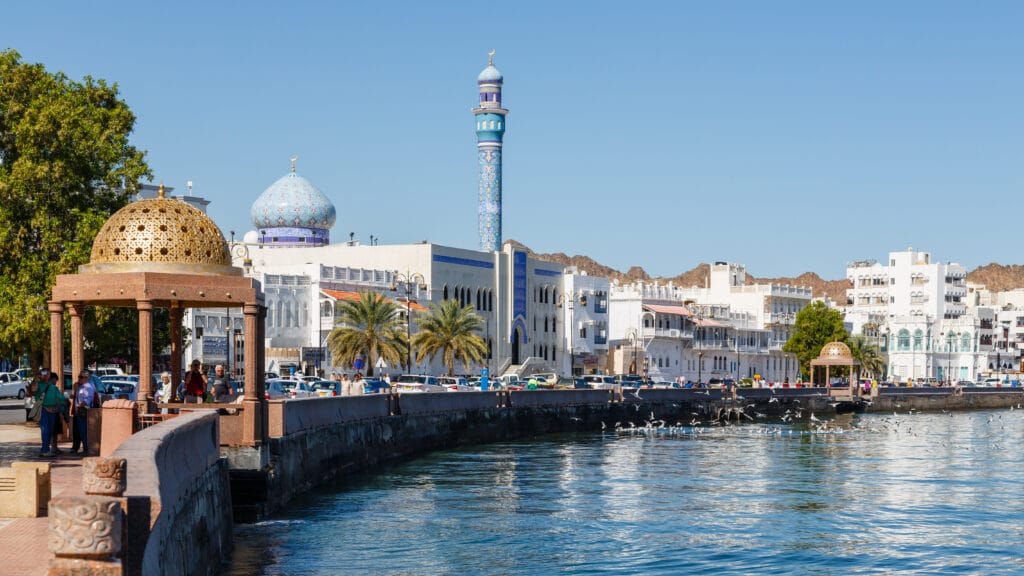
Also in Middle East & Gulf: Affiliated UK-pathway colleges · ≈ $15k/yr all-in
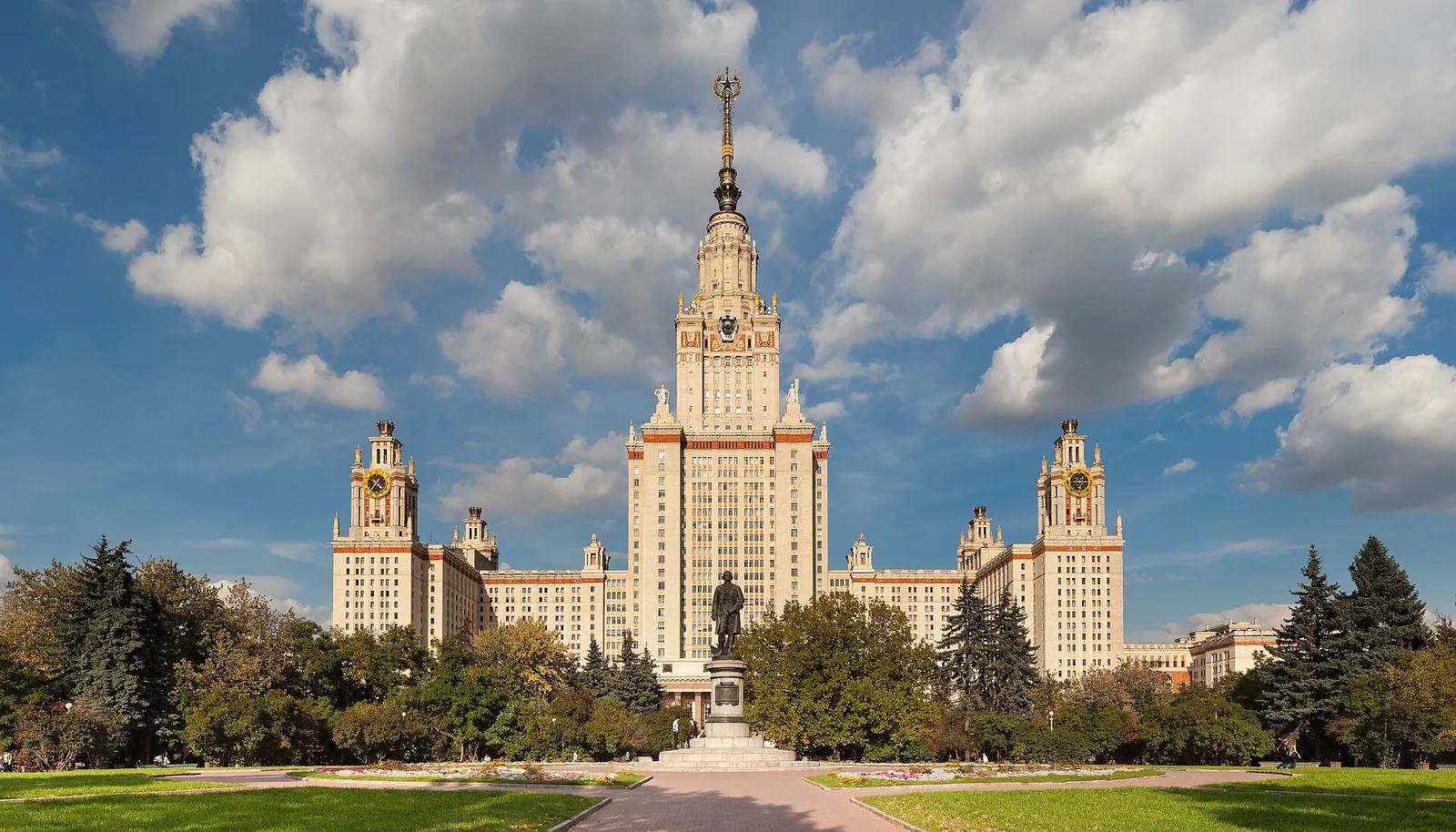
Same budget (Budget), different map: Medicine & engineering; government quota scholarships · ≈ $8k/yr all-in
The aspirational step-up: PGWP & PR-pathway planning; public colleges + universities · ≈ $35k/yr all-in