
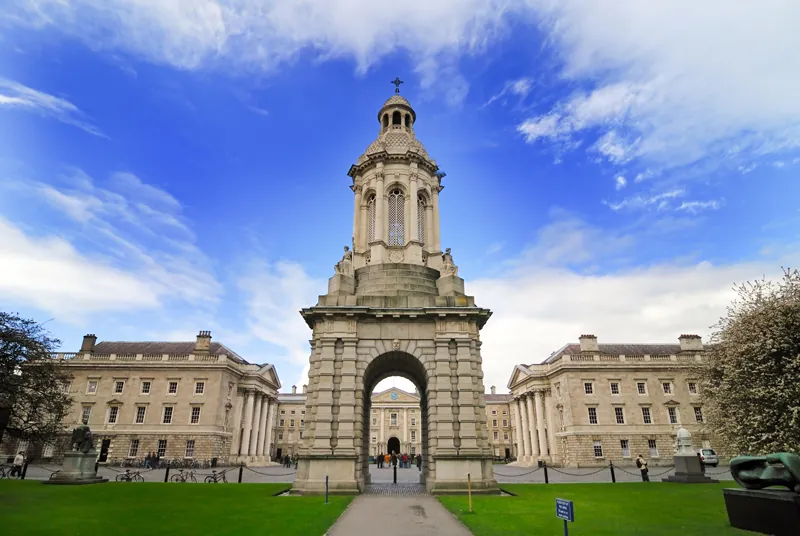
Study in Ireland Premium
Also in Europe – Beyond Schengen: Tech & pharma HQ hub; stay-back for graduates · ≈ $32k/yr all-in
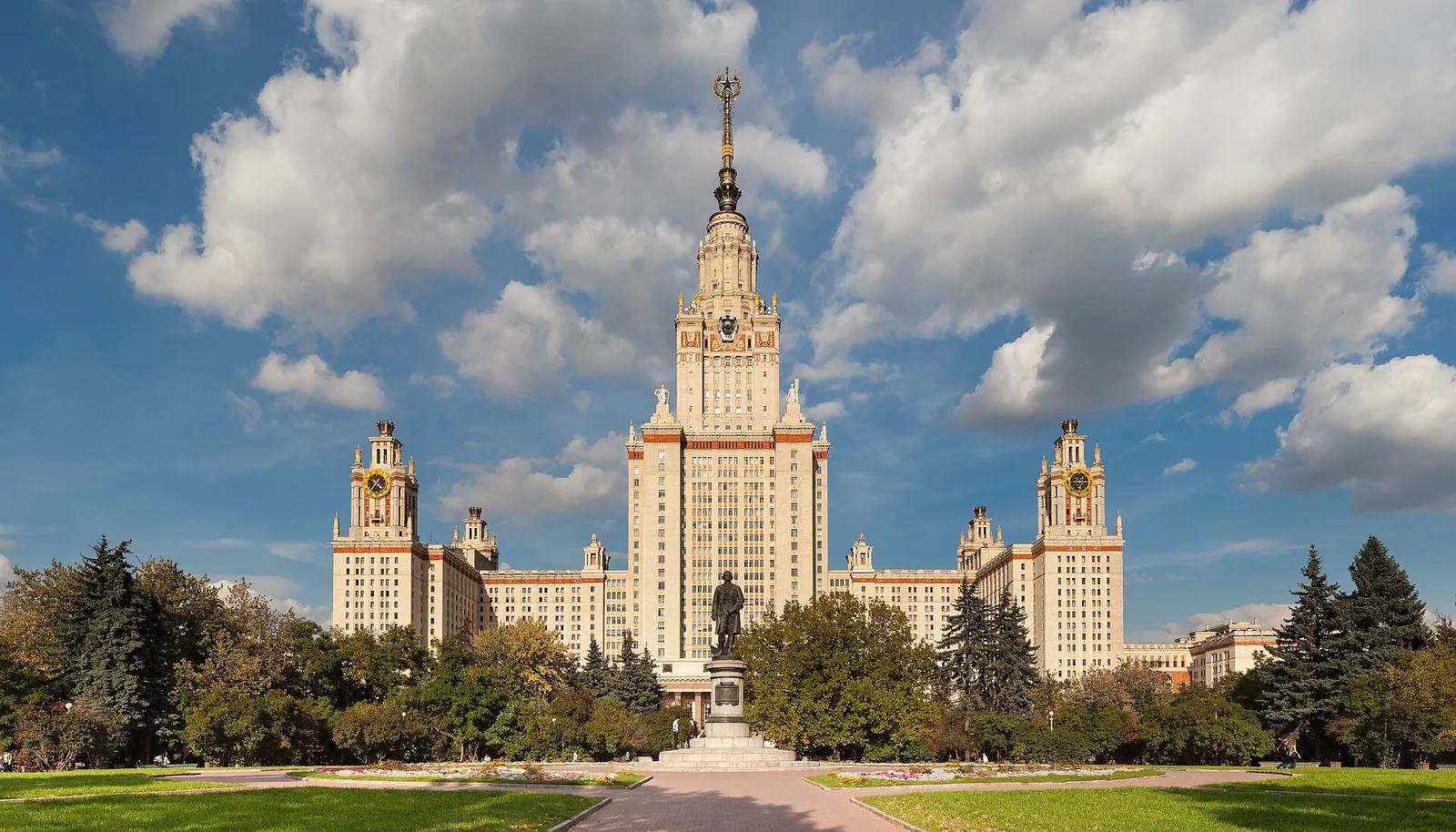
Moscow State, St Petersburg State, Kazan Federal, RUDN, Sechenov and Pirogov: Russia's university system is enormous, research-heavy and — for Pakistani students — startlingly affordable, with English-medium MD and engineering tuition commonly around US$3,500–8,000 a year and a genuine government scholarship system (the state quota and the Open Doors Olympiad) behind it. The honest 2026 framing, printed up front: sanctions-era banking makes fee payment a planning exercise, not an afterthought, and the geopolitical situation deserves a clear-eyed family discussion — both of which we handle in writing before you commit.
The complete, honest case for Russia — the scholarship systems, the real costs city by city, payment routing under sanctions, recognition checks, and the exact route from Pakistan — in one short narrated briefing.
The Russia video briefing is in production
The narrated 4-minute briefing for Russia lands in this slot very soon. Until then, get the exact same briefing — live, personal, and free — from a counsellor who will map it to your grades and budget.
Lomonosov Moscow State, St Petersburg State, Kazan Federal, RUDN (Peoples' Friendship), Novosibirsk State, Tomsk's universities, Sechenov and Pirogov for medicine — institutions with centuries of research output, Nobel laureates and space-programme heritage. Russia educates hundreds of thousands of international students; the international infrastructure is mature, not experimental.
The Russian Government Scholarship (state quota) allocates funded places to foreign citizens each year — tuition covered, with a preparatory Russian-language year included where needed — applied for through the official education-in-russia portal with embassy selection. The Open Doors Olympiad offers top master's and PhD performers tuition-free places at leading universities. Both are competitive and deadline-driven; we run them as campaigns, not afterthoughts.
International sanctions mean many standard card and transfer routes into Russia are restricted, and Pakistani bank cards generally will not work there. Students manage — through lawful transfer channels, university payment instructions and carrying planned funds — but "manage" must be designed before departure, not improvised at a Moscow cash desk. Your file includes a written fee-payment and living-funds plan for your specific university and city.
English-medium MD programmes at Sechenov, Pirogov, Kazan Federal, RUDN and regional medical universities commonly run US$4,500–8,000 a year; engineering and IT in English at the polytechnics and federal universities can start lower. Russia's clinical volume — enormous teaching hospitals in every university city — is a genuine academic asset.
For medical families the rule never changes: your university must stand correctly under the current Pakistan Medical Commission framework for foreign graduates, and you must clear the licensing examination on return. Russian medical universities vary in standing and in how their English-medium cohorts are treated — we verify your exact university in writing in your free session before any fee is discussed.
Russia's war with Ukraine and the sanctions regime are facts your family should weigh with current official travel guidance in hand — including what daily life, travel routes (no direct flights; connections via the Gulf/Central Asia) and communication look like in practice. Thousands of Pakistani students are studying in Russia today; our job is to make sure you decide with the full current picture, in writing, not a brochure from 2021.
MD / Medicine (English)DentistryPharmacyComputer Science & ITAerospace & Mechanical EngineeringOil, Gas & Petroleum EngineeringNuclear & Energy EngineeringMathematics & PhysicsInternational RelationsBusiness & Economics
| Item | Guide figure | What to know |
|---|---|---|
| Tuition — MD (English) | ≈ US$4,500–8,000 / year | University-set; Moscow flagships highest, strong regional medical universities lower — quoted per university |
| Tuition — engineering / IT / other | ≈ US$3,000–6,500 / year | English-medium bands at federal and polytechnic universities; Russian-medium can be lower after a preparatory year |
| Living costs | Regional cities ≈ US$250–450 · Moscow ≈ US$450–700 / month | University dormitories are a fraction of private rent — the single biggest budget lever |
| Funds & payment routing | Written payment plan (essential) | Sanctions-era channels confirmed per university before enrolment — never improvised after arrival |
Comparing countries on cost? See how Albania compares — full cost guide or scan every option in the Best Budget Destinations budget hub.
The Russian Government Scholarship (state quota) funds a set number of foreign students annually across bachelor's, master's, PhD and medical tracks: tuition covered by the state, monthly stipend modest, dormitory at student rates; applications run through the official portal with selection via the Russian diplomatic mission — deadlines typically fall in the winter–spring window. The Open Doors International Olympiad (master's/PhD) awards tuition-free study to top performers. University merit discounts exist at some institutions. We assess your quota candidacy honestly — grades and Russian-language willingness move the needle.
Russia offers no automatic post-study work visa. Graduates can move onto employer-sponsored work permits, and simplified temporary-residence routes have existed for graduates of Russian universities with strong records — rules change and are status-specific, so we verify the current position for your profile rather than promise outcomes. Most Pakistani students treat Russia as a qualification platform: license at home, or compete for research and industry roles from a position of a seriously heavyweight degree.
Your government-quota and Open Doors candidacy assessed against your grades, and — for medical aspirants — your target universities checked against the latest Pakistan recognition position, in writing.
Moscow flagships vs. high-value regional universities compared on total cost, dormitory access, English-medium maturity and a confirmed lawful fee-payment channel for each.
University invitation and study visa completed, travel routing via current connection points sequenced, dormitory or housing arranged, migration registration and first-month checklist in hand.
Yes — the Russian Government Scholarship (state quota) is a real, long-running system that funds foreign students' tuition at state universities, and Pakistanis win places every cycle. It is competitive and country-quota-based: strong academics, a coherent study plan and — for many tracks — willingness to take the preparatory Russian-language year materially improve your odds. The Open Doors Olympiad is the second door for master's and PhD candidates. In your free session we assess your candidacy honestly and, if the quota is a stretch, price the self-funded route (which remains among the world's cheapest for this university calibre) side by side.
With a plan made before you enrol — this is the question that separates serious Russia files from stranded ones. Universities issue specific payment instructions; lawful channels through third-country banking and university-authorised routes exist and are used by current students, but they vary by university and change with the sanctions environment. Pakistani-issued cards generally do not work inside Russia, so living-funds carriage and transfer cadence are planned in writing in your file. Never enrol first and improvise payments later.
Only through the current licensing pathway — your university must stand correctly under the Pakistan Medical Commission's present framework for foreign graduates, and you must clear the required licensing examination on return. Standings vary by university and have changed over time: some Russian medical universities are long-established routes, others need a hard second look. We verify your exact university against the latest position in your free session and put it in writing before you pay anything.
Major university cities host large, long-established South-Asian communities, and day-to-day student life in Moscow, Kazan, St Petersburg or Novosibirsk is orderly and metro-served. The context your family must weigh is the wider one: an ongoing war (felt mainly through security checks, airspace routing and the sanctions environment rather than daily life in most university cities) and official travel guidance that you should read current, not remembered. We review the current guidance with you in your session and document the discussion — the decision is yours, made with full information.
English-medium programmes teach fully in English, and scholarship tracks include a preparatory language year where required. But daily life, clinical rotations and part-time realities all reward Russian — medical students especially meet Russian-speaking patients from the clinical years onward. Universities teach Russian alongside English-medium degrees; students who take it seriously graduate with a second professional language, which is a career asset in the Gulf and Central Asia too.
Still weighing it up? Browse the Europe – Beyond Schengen region hub or the Best Budget Destinations budget hub to compare Russia against its closest alternatives.
Four honest alternatives drawn from the Europe – Beyond Schengen region hub, the Budget budget tier and the premium step-up shelf — each with the reason it belongs on your shortlist.
Also in Europe – Beyond Schengen: Tech & pharma HQ hub; stay-back for graduates · ≈ $32k/yr all-in
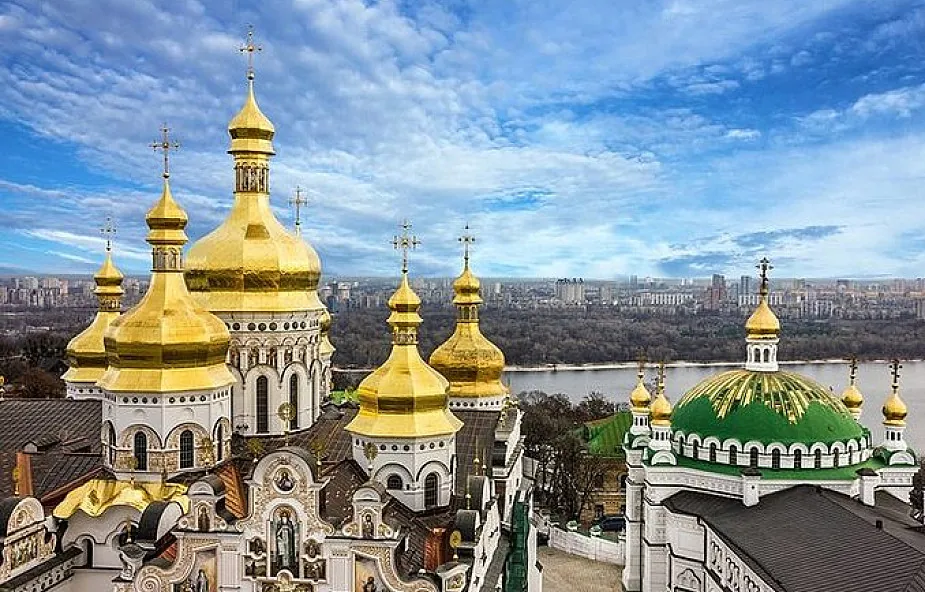
Also in Europe – Beyond Schengen: Historically MBBS-strong; check current safety advice · ≈ $8k/yr all-in
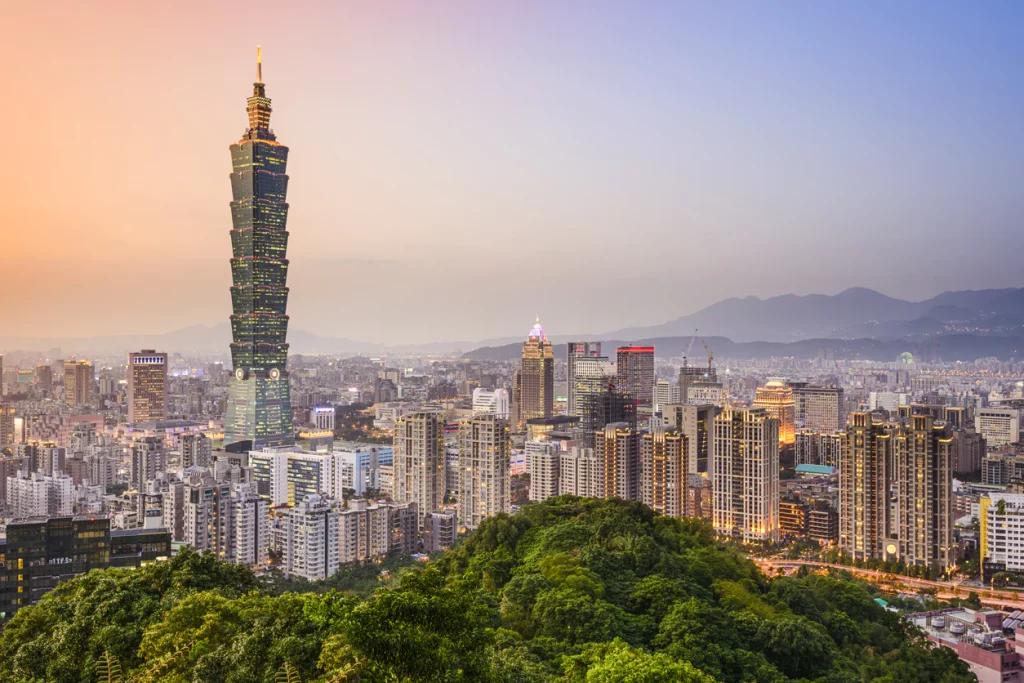
Same budget (Budget), different map: Semiconductors & engineering; MOE scholarships; safe & affordable · ≈ $10k/yr all-in
The aspirational step-up: Huge English-taught choice; business, data, logistics · ≈ $26k/yr all-in