

Study in Portugal Mid-Range
Cheaper alternative: Sunny, affordable EU living; business & tech · ≈ $15k/yr all-in
No country teaches in English like the Netherlands: 2,000+ English-taught programmes, a wall of top-200 universities (Delft, Amsterdam, Utrecht, Groningen, Eindhoven), and a culture so direct your lecturers expect you to argue with them. Then the masterstroke — the orientation year: a full year after graduation to find work, no sponsor needed. Dutch tuition isn’t the cheapest in Europe, and Amsterdam housing is a contact sport. Planned properly, this is the sharpest value-for-ranking play on the continent.
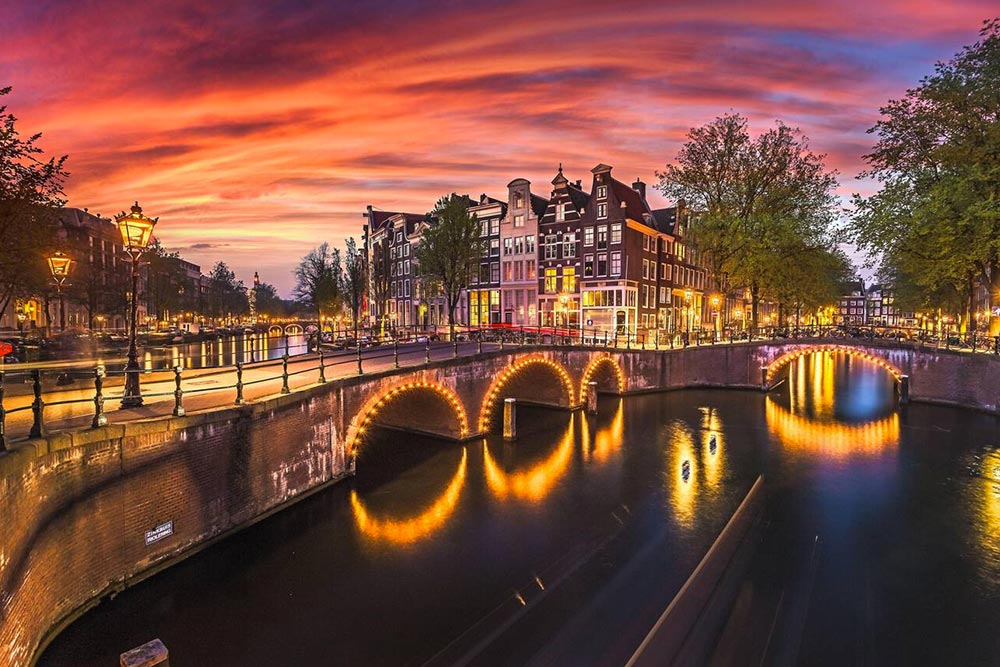
The complete, honest case for the Netherlands — the English-taught depth, the orientation year, the housing warning, and the exact route from Pakistan — in one short narrated briefing.
The Netherlands video briefing is in production
The narrated 4-minute briefing for Netherlands lands in this slot very soon. Until then, get the exact same briefing — live, personal, and free — from a counsellor who will map it to your grades and budget.
TU Delft, University of Amsterdam, Utrecht, Groningen, Eindhoven, Leiden, Wageningen, Erasmus Rotterdam — the Netherlands packs elite research universities into a country smaller than Sindh, with particular firepower in engineering, data, agriculture, water, logistics and business. Whatever your field, a ranked Dutch option exists.
The Dutch are famously the world’s best non-native English speakers. You’ll study, intern, work and live in English from day one, while free Dutch courses quietly build the local edge that wins graduate jobs. No other mainland-European country removes the language barrier this completely.
After graduating you can take the zoekjaar — a one-year residence permit to look for work, with free access to the labour market. Land a job meeting the (reduced, graduate-friendly) salary threshold and you switch to the highly-skilled migrant permit. It’s the cleanest study-to-career bridge in Europe.
Rotterdam’s port, Schiphol logistics, ASML’s chip machines, Wageningen’s food science, Amsterdam’s fintech and creative industries — Dutch universities are wired directly into employers you’ve heard of. Internships aren’t an add-on here; they’re the culture.
The Netherlands runs two honest tracks: research universities (WO) for academic depth, and universities of applied sciences (HBO) for hands-on, employer-built degrees — often cheaper and with mandatory work placements. We place you on the track your career actually needs, not the one with the fancier brochure.
Honesty first: student housing in Amsterdam, Utrecht and Delft is brutally competitive. Our files start the housing hunt the day your offer lands — university-reserved rooms, smaller cities (Enschede, Maastricht, Groningen) with saner rents, and verified channels only. Students who start late pay for it; ours don’t.
Computer Science & AIData ScienceEngineering (Delft / Eindhoven)Logistics & Supply ChainBusiness & FinanceAgriculture & Food TechnologyWater & Civil EngineeringLife Sciences & HealthMedia & Creative IndustriesEnvironmental Sciences
| Item | Guide figure | What to know |
|---|---|---|
| Tuition — research universities (non-EU) | ≈ €12,000–20,000+ / year | Medicine and top programmes above this; exact fee set per programme |
| Tuition — applied sciences (HBO) | ≈ €8,000–13,000 / year | Often the value pick: employer-linked, placement-heavy degrees |
| Living costs | ≈ €1,000–1,400 / month | Amsterdam rents lead; smaller university cities can cut this by a third |
| Visa funds proof | ≈ €1,200 / month of study (guide) | The IND living-cost norm, revised periodically — we confirm the current norm for your intake |
Comparing countries on cost? See how Australia compares — full cost guide or scan every option in the Premium: World Elite budget hub.
There is no giant Dutch national full-ride — the honest picture is a stack: the NL Scholarship (€5,000, one-off, for non-EEA students at participating institutions), university excellence awards (Amsterdam Merit, Utrecht Excellence, faculty scholarships), and Holland alumni / faculty discounts. We assemble the stack per university and quote you the real net fee — never the sticker price.
The orientation year (zoekjaar) gives graduates up to 12 months in the Netherlands to find work with unrestricted labour-market access — apply within 3 years of graduating. A qualifying job converts to the highly skilled migrant permit at a reduced salary threshold for orientation-year graduates. During your degree you may work up to 16 hours/week in term (or full-time in June–August) with an employer work permit — realistic for living-cost support, arranged through your employer.
WO vs. HBO, Amsterdam vs. the saner-rent cities, numerus-fixus deadlines flagged — your shortlist balances rank, net fee and housing reality.
Applications via Studielink and university portals run early (some programmes close 15 January). We file early and stack NL Scholarship + university awards onto your best offers.
Your university sponsors your residence permit; we prepare the funds proof to the IND norm — and start your housing hunt the moment the offer arrives, not the month you fly.
No — for admission, classes, internships and daily life, English genuinely suffices, and that’s unique in mainland Europe. But Dutch employers quietly prefer Dutch-speaking graduates for many roles, so our plans include free university Dutch courses: optional for survival, valuable for hiring.
In Amsterdam, yes — rooms are scarce and scams target international students. It’s manageable with an early start: university housing ballots, legitimate platforms, and considering superb universities in Groningen, Enschede, Maastricht or Nijmegen where rents can be €300–500/month lower. We build the city choice into your shortlist maths from day one.
As a planning guide, the IND sets a monthly living-cost norm — recently around €1,200/month — which your university verifies as part of your permit application, on top of tuition. The norm is revised periodically; we confirm the exact figure and acceptable evidence forms for your intake.
Popular programmes (psychology, some engineering, business and medical tracks) cap their places with selection deadlines as early as 15 January. Miss the date and the programme is closed for a year. Your free session includes a deadline audit for every programme on your shortlist.
At 16 hours/week in term you can cover a solid share of living costs outside Amsterdam’s rent peak — but your permit file must stand on family/sponsor funds, and employers must arrange a work permit (a simple, standard step many student employers know well). We budget conservatively and treat earnings as a bonus.
Still weighing it up? Browse the Europe – Schengen region hub or the Premium: World Elite budget hub to compare Netherlands against its closest alternatives.
Four honest alternatives drawn from the Europe – Schengen region hub, the Premium budget tier and the premium step-up shelf — each with the reason it belongs on your shortlist.
Cheaper alternative: Sunny, affordable EU living; business & tech · ≈ $15k/yr all-in

Cheaper alternative: MBBS & dentistry in English/French · ≈ $10k/yr all-in
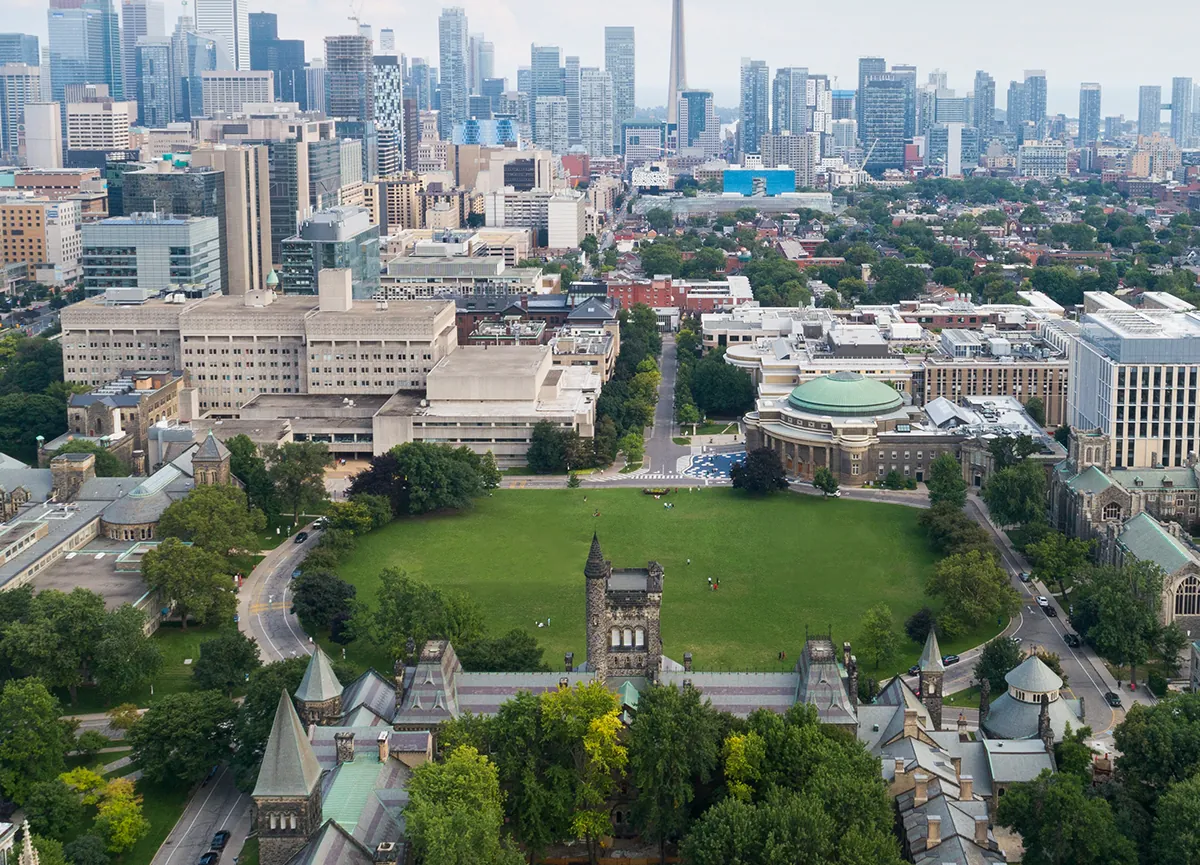
Same budget (Premium), different map: PGWP & PR-pathway planning; public colleges + universities · ≈ $35k/yr all-in
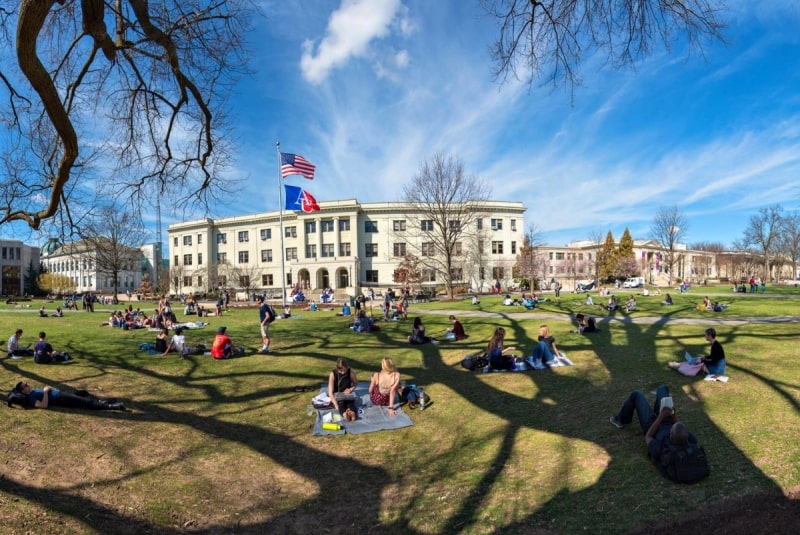
The aspirational step-up: Largest choice; scholarships & STEM-OPT strategy · ≈ $45k/yr all-in