
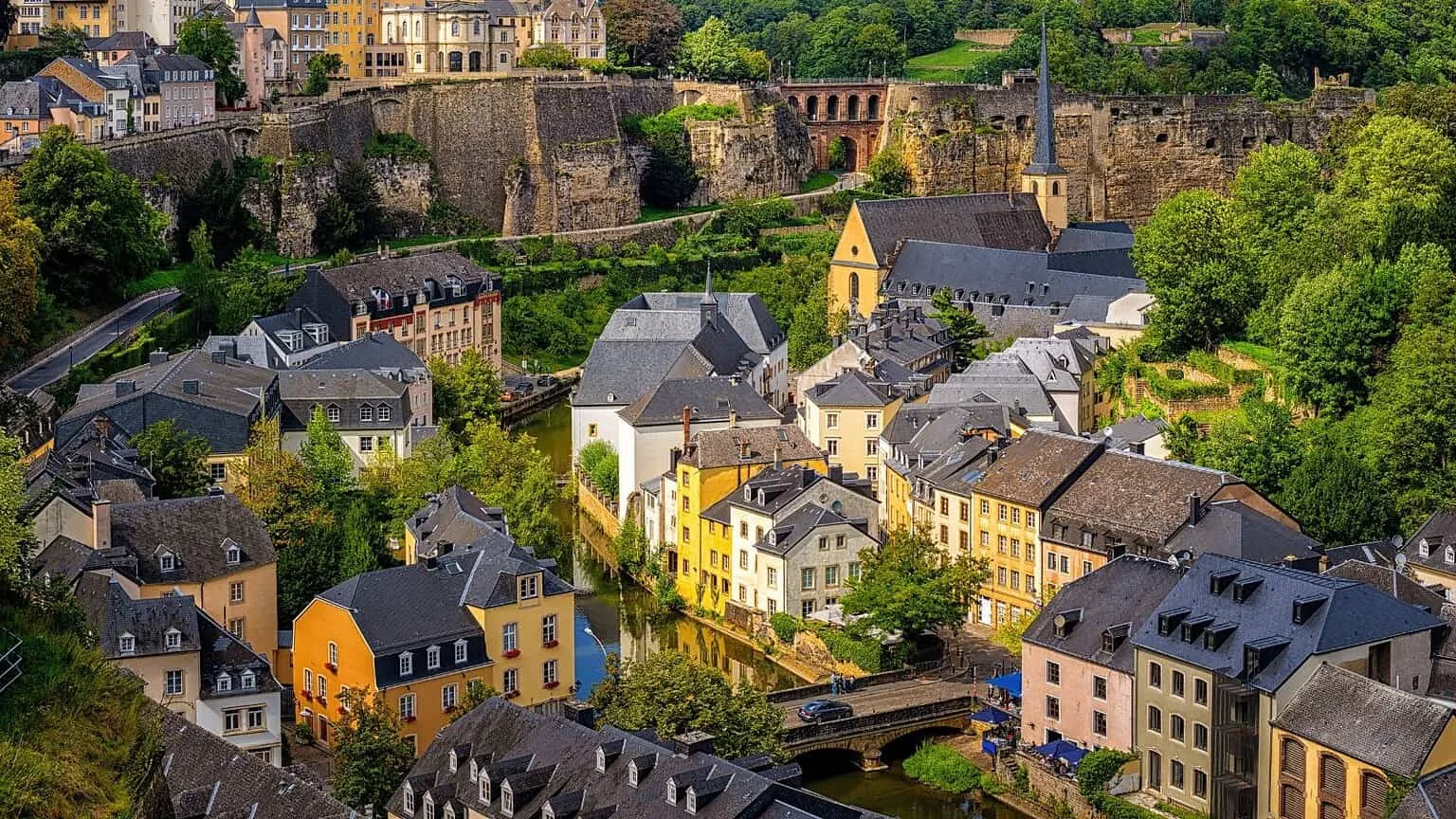
Study in Luxembourg Mid-Range
Cheaper alternative: Finance hub; multilingual degrees · ≈ $20k/yr all-in
Malta is the only EU country where English is an official language of daily life — lectures, landlords, employers, government, all in English. The University of Malta (founded 1592) anchors a system joined by respected private and branch providers, tuition for non-EU students commonly sits around €8,000–14,000 a year, graduates can extend their stay up to 9 months to find work, and the island runs Europe's iGaming industry plus growing finance, aviation and health sectors. Add 300 days of sun and living costs below the big capitals, and Malta is Europe's easiest landing.
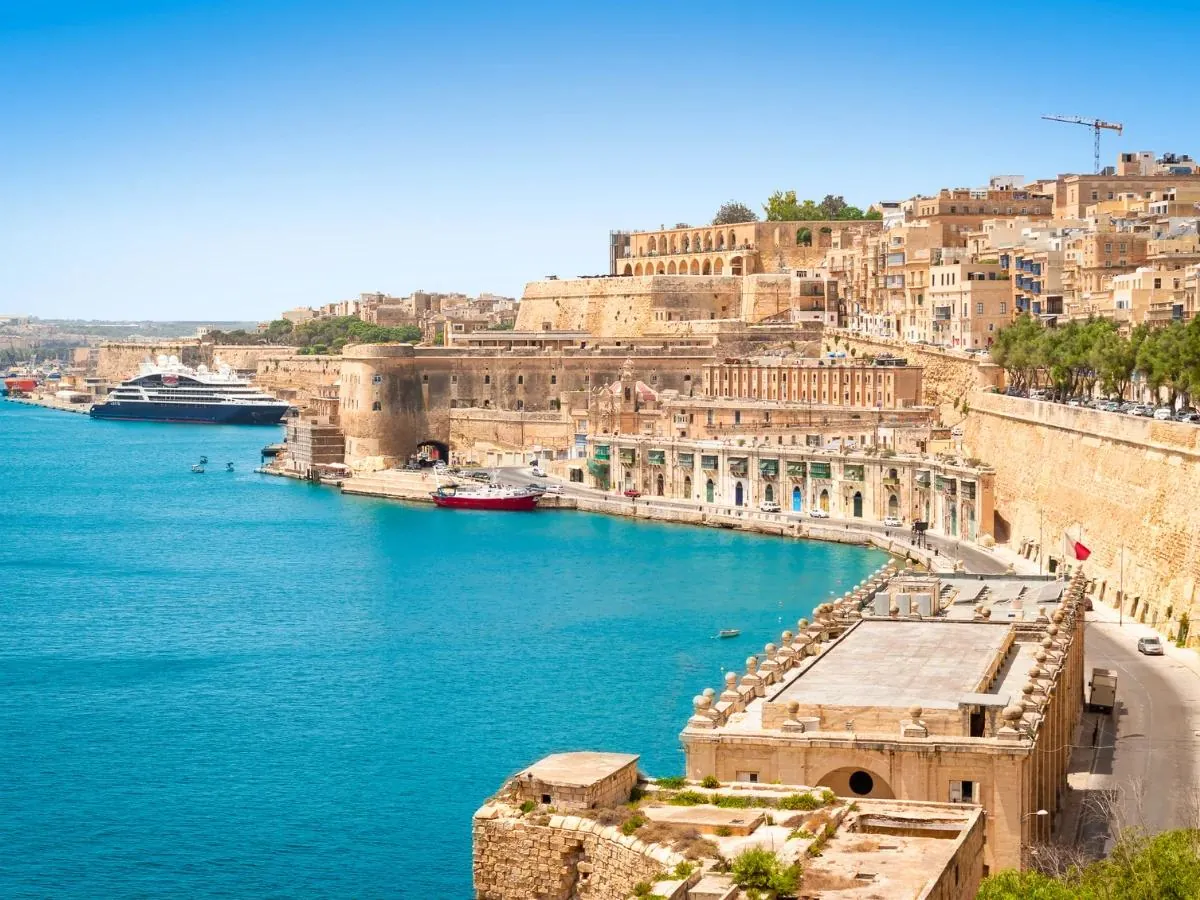
The complete, honest case for Malta — the English advantage, real fees, the 9-month graduate extension, and the exact route from Pakistan — in one short narrated briefing.
The Malta video briefing is in production
The narrated 4-minute briefing for Malta lands in this slot very soon. Until then, get the exact same briefing — live, personal, and free — from a counsellor who will map it to your grades and budget.
Every other EU destination asks you to budget a year for language. Malta asks nothing: English is co-official, the University of Malta teaches in English, and part-time and graduate employers hire in English by default. For students whose IELTS journey has been the bottleneck, Malta is the unlock.
The University of Malta delivers respected degrees across medicine, law, engineering, ICT and humanities at public-institution fees; MCAST covers applied/vocational routes; and licensed private providers (including UK/US-linked campuses) add business, computing and health options. We verify licensing and recognition per provider — only accredited choices enter your shortlist.
Malta hosts one of the world's largest iGaming clusters — hundreds of licensed operators hiring in English across tech, data, compliance, marketing and customer operations — alongside financial services, blockchain-era firms, aviation maintenance (Lufthansa Technik Malta) and pharma manufacturing. Graduate employers are not a hope here; they're an industry directory.
Living costs (roughly €900–1,300/month) sit below Amsterdam, Dublin or Copenhagen; the island is compact (your commute is a bus ride, not a lifestyle), safe, and Catholic-Mediterranean in culture with halal food increasingly available in student areas and a small, established Muslim community.
Malta's graduate policy lets non-EU graduates of Maltese institutions extend residence for up to 9 months to seek employment or start a business, converting to a Single Permit when hired. During studies, students can work part-time (currently up to 20 hrs/week under the student employment licence rules) after the first months — realistic support in an English-speaking labour market.
One island, full Schengen membership: weekend trips to Sicily, Rome or Barcelona are ferry-and-budget-flight easy, and your Maltese residence is a European residence. For families wanting an EU degree without a megacity's cost or culture shock, Malta is the gentlest complete package in the Union.
Medicine & Health SciencesICT & Computer ScienceBusiness & iGaming OperationsFinance & AccountingLawEngineeringTourism & HospitalityAviation MaintenancePharmacyEducation
| Item | Guide figure | What to know |
|---|---|---|
| Tuition — University of Malta (non-EU) | ≈ €8,000–13,600 / year (guide) | Programme-set; medicine and some science degrees at the top of the band |
| Tuition — private / branch providers | ≈ €6,000–15,000 / year | Varies widely — licensing and recognition verified in your shortlist before any deposit |
| Living costs | ≈ €900–1,300 / month | Shared flats in Msida/Gżira/San Ġwann student zones anchor the low end |
| Residence funds proof | Tuition + ≈ €800–1,000 / month (guide) | Shown via sponsor bank evidence — we confirm the current Identità checklist for your intake |
Comparing countries on cost? See how Australia compares — full cost guide or scan every option in the Premium: World Elite budget hub.
Malta's scholarship shelf is modest and we say so: the Malta Government Scholarship Scheme and University of Malta awards open periodic calls (mainly postgraduate), individual providers offer merit bursaries, and Erasmus Mundus full rides occasionally include Maltese partners. The real Malta discount is structural — English-medium EU education at fees and living costs well under the northern capitals, with legal part-time earnings in your own language. We quote net costs per provider and hunt every bursary your grades qualify for.
Graduates can extend residence for up to 9 months to seek work or launch a business, then move onto a Single Permit with an employer — iGaming, finance, aviation, health and ICT hire English-speaking graduates year-round. In-study part-time work is available under the student employment licence (up to 20 hrs/week, after the initial study period — current rules confirmed at filing). Malta rewards students who network during the degree: the island is small, and everyone hires through people they know.
Public vs. private is a recognition question before it's a price question: we verify MFHEA licensing and HEC recognition position for your exact programme, then shortlist by total cost.
Application filed with attested documents; residence funds evidence prepared to Identità's current checklist — the step where DIY files stall.
E-residence card, employment-licence timing for part-time work, housing in the student zones and your 9-month graduate clock explained from day one.
Degrees from the University of Malta and properly licensed institutions go through HEC equivalence like other EU degrees — but private providers vary, which is why licensing and recognition checks happen in your shortlist, in writing, before any deposit. For medicine, we additionally verify the licensing path for practice in Pakistan.
Universities still set English evidence (commonly IELTS 6.0–6.5 or equivalents) even though the country runs on English — and a good score strengthens both admission and residence files. Some providers accept MOI or internal tests; your shortlist states exactly which proof each accepts.
Plan on first-year tuition plus living evidence in the region of €800–1,000/month through sponsor statements with clear source history. Malta's overall bar is mid-range for the EU — reachable, provided the file is complete and consistent.
Yes — hospitality, retail, gaming-support and campus roles hire in English, and the student employment licence allows part-time work within its current limits after your initial study period. Budget it as support, not survival: your residence case stands on sponsor funds.
The University of Malta is a 400-year-old EU public university whose graduates work across Europe; Malta-based multinationals (gaming, finance, aviation) recruit its students directly. Recognition lives at the institution level — choose the accredited core and the degree travels. Choose an unlicensed storefront and it doesn't — which is precisely the audit we run for you.
Still weighing it up? Browse the Europe – Schengen region hub or the Premium: World Elite budget hub to compare Malta against its closest alternatives.
Four honest alternatives drawn from the Europe – Schengen region hub, the Premium budget tier and the premium step-up shelf — each with the reason it belongs on your shortlist.
Cheaper alternative: Finance hub; multilingual degrees · ≈ $20k/yr all-in
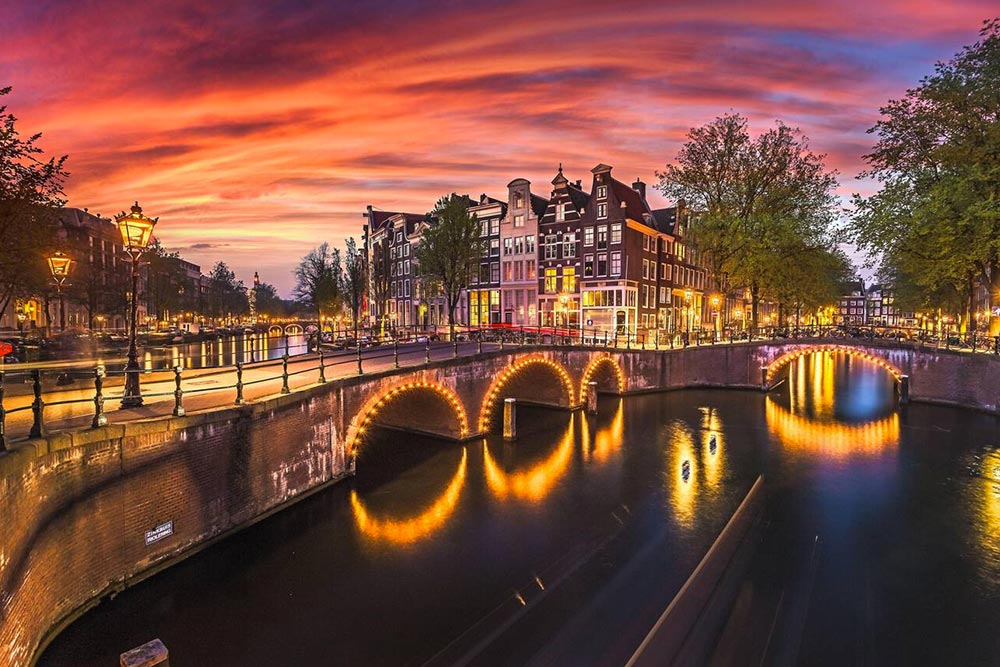
English-taught option: Huge English-taught choice; business, data, logistics · ≈ $26k/yr all-in
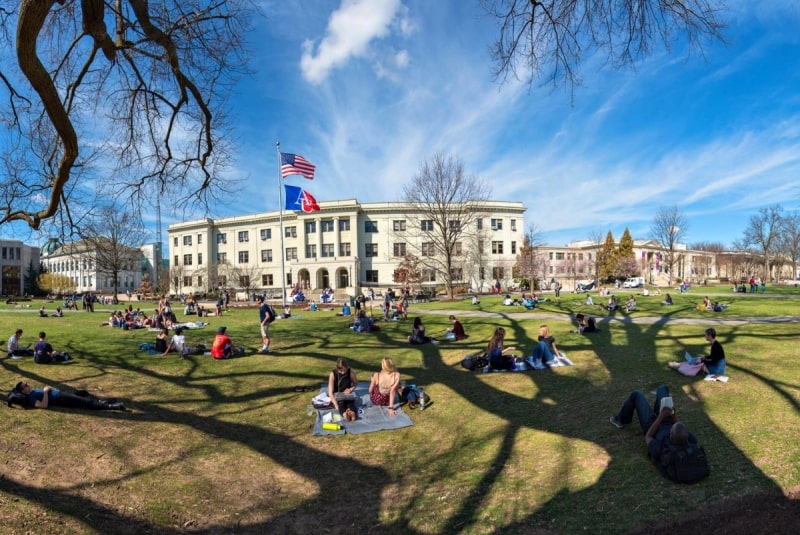
Same budget (Premium), different map: Largest choice; scholarships & STEM-OPT strategy · ≈ $45k/yr all-in
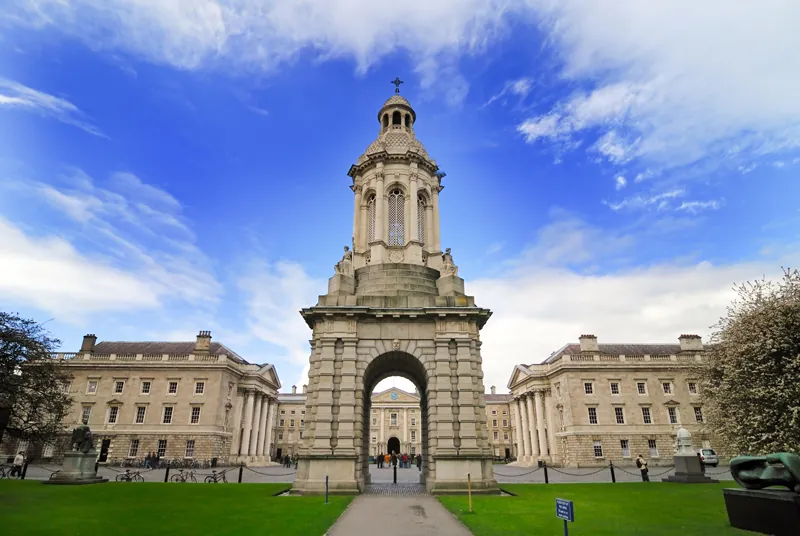
The aspirational step-up: Tech & pharma HQ hub; stay-back for graduates · ≈ $32k/yr all-in