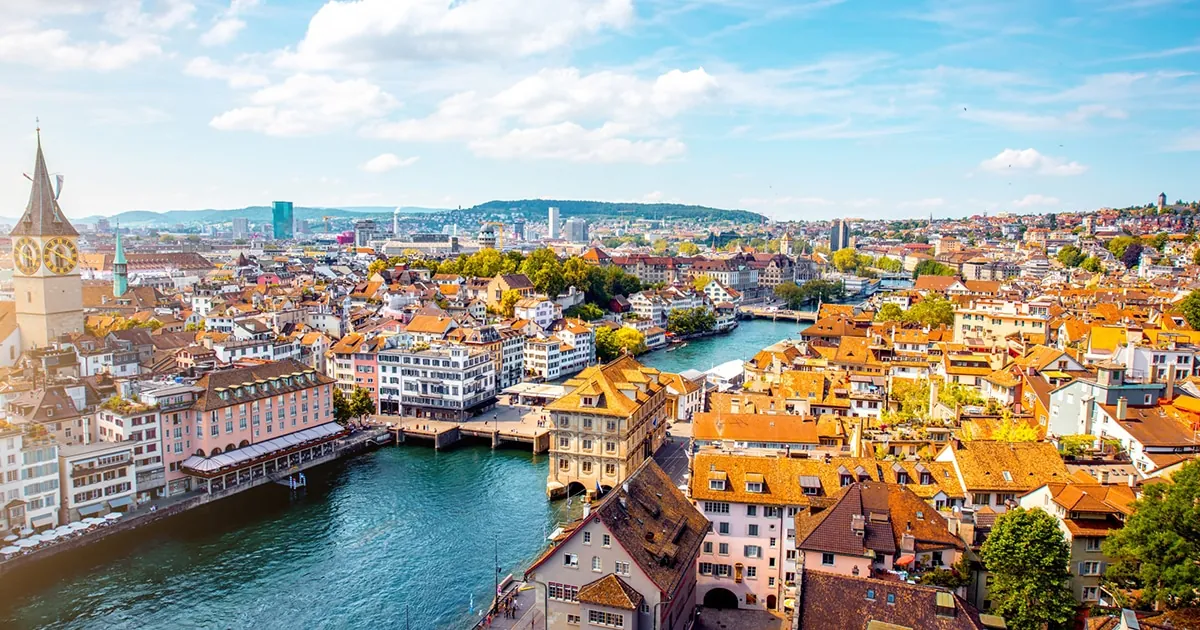
Study in Switzerland Premium
Also in Europe – Schengen: Hospitality, finance, pharma; premium living costs · ≈ $29k/yr all-in
Most "full scholarship" claims collapse under questioning. The Stipendium Hungaricum doesn't: Hungary's government pays your tuition in full, contributes to your housing, pays a monthly living stipend and covers health insurance — for bachelor, master and PhD students from partner countries, and Pakistan is one of them (applications route through HEC). Miss the scholarship and Hungary still delivers: centuries-old medical universities (Semmelweis, Debrecen, Pécs, Szeged) teaching in English, self-funded fees from around €4,000 a year, and living costs in Debrecen that feel like a gift. One short window a year decides the scholarship. Timing is everything.

The complete, honest case for Hungary — exactly what Stipendium Hungaricum covers, the HEC application route, medical entrance exams, and the exact path from Pakistan — in one short narrated briefing.
The Hungary video briefing is in production
The narrated 4-minute briefing for Hungary lands in this slot very soon. Until then, get the exact same briefing — live, personal, and free — from a counsellor who will map it to your grades and budget.
Stipendium Hungaricum covers: full tuition, a monthly living stipend (around HUF 43,700/month at bachelor/master level, higher for PhD), a housing contribution or dormitory place, and medical insurance — for the whole degree. Pakistan is a sending partner and HEC manages nominations. This is the single most valuable scholarship most Pakistani families have never heard of.
Semmelweis (Budapest), Debrecen, Pécs and Szeged run English-taught medicine, dentistry and pharmacy programmes that have trained international doctors for decades — plus English-taught veterinary medicine, rare in Europe. Entrance exams in science subjects are the gate; we prepare you for them.
Outside the scholarship, typical tuition runs €4,000–8,000 a year (medicine €15,000–18,000), and living in Debrecen, Pécs or Szeged can sit near €550–850 a month. Compare one year of Hungarian medicine with one year almost anywhere else — the spreadsheet argues by itself.
Budapest gives you a grand European capital and the biggest university scene; Debrecen hosts one of the largest Pakistani student communities in the region (built around its medical university), with halal food, community and rents to match. Both are legitimate strategies — we cost them side by side.
After your degree, Hungary offers a job-search residence permit of up to 9 months; find skilled work and you convert to employment residence (EU Blue Card routes included for qualifying salaries). During studies, recent rules allow students generous part-time hours (up to 30 hours/week in term — confirm at filing).
Decades of Pakistani and Muslim students in Hungarian university cities mean mosques, halal butchers and senior students who know every shortcut. For parents sending a child abroad for the first time, that established community is worth real money in peace of mind.
MedicineDentistryPharmacyVeterinary MedicineEngineeringComputer ScienceBusiness & EconomicsAgriculture & Food ScienceNursing & HealthInternational Relations
| Item | Guide figure | What to know |
|---|---|---|
| Stipendium Hungaricum route | Tuition €0 + stipend & housing contribution | Stipend is a contribution, not full living costs in Budapest — budget a family top-up, larger in the capital, smaller in Debrecen |
| Self-funded tuition | ≈ €4,000–8,000 / year typical · medicine ≈ €15,000–18,000 | Set per university & programme; entrance-exam programmes are the premium tier |
| Living costs | Budapest ≈ €700–1,100 · Debrecen/Pécs ≈ €550–850 / month | Dormitory places are the budget superpower — apply for them immediately on admission |
| Visa funds proof (self-funded) | ≈ €700 / month of stay (planning guide) | Sponsor evidence plus tuition arrangements — we confirm the current consular standard |
Comparing countries on cost? See how Argentina compares — full cost guide or scan every option in the Study Abroad for Almost Free budget hub.
The application is dual-track: the Hungarian portal (Tempus Public Foundation) and nomination through HEC Pakistan, with documents, medical certificate and motivation letters due typically by mid-January. Universities may add entrance exams. We manage both tracks, grade your competitiveness honestly, and line up a self-funded application in parallel so January never leaves you plan-less.
Graduates can apply for a job-search/study-to-work residence permit of up to 9 months; employment residence or an EU Blue Card follows a qualifying job. During studies, student employment is broadly permitted within weekly caps (recently up to 30 hours/week in term time — we confirm the current rule for your permit).
We open your Stipendium Hungaricum strategy months before the window: programme choices (you rank Hungarian universities), HEC requirements, document attestation — so the short January window is paperwork, not panic.
Medicine and dentistry applicants prepare for biology/chemistry entrance exams; simultaneously we file a self-funded application as your insurance policy.
Residence-permit visa, dormitory application the day admission lands, and your first-month checklist for Budapest or Debrecen.
It's competitive — HEC shortlists on merit and Hungary allocates limited seats per country and programme. Strong grades (especially for medicine/science), a complete file and well-chosen programme preferences are the controllable factors. We assess your profile against the competition honestly in your free session — and always build the self-funded parallel plan, because hope is not a strategy.
Partially. The stipend plus housing contribution covers a solid share in Debrecen, Pécs or Szeged, and a smaller share in Budapest, where rents bite. Scholarship students should still budget a family top-up — we'll show you realistic monthly budgets per city so there are no surprises after arrival.
The established English-taught medical universities are the long-standing route — but recognition lists and licensing rules (PMC/PMDC) change, so we verify your exact university against the current position before you apply, and explain the licensing exams you'll face on return. Never pay a fee before that check is done in writing.
Universities set their own English evidence — many accept IELTS/TOEFL or an interview/MOI route for the scholarship track, while self-funded programmes vary. Medicine applicants should focus equal energy on the science entrance exams, which are the real gate for those faculties.
Not for English-taught study — but scholarship students get free Hungarian courses, clinical students need Hungarian for patient contact in later years, and any Hungarian dramatically widens part-time work. Take the free courses: it's the highest-ROI hour in your week.
Still weighing it up? Browse the Europe – Schengen region hub or the Study Abroad for Almost Free budget hub to compare Hungary against its closest alternatives.
Four honest alternatives drawn from the Europe – Schengen region hub, the Near-Free budget tier and the premium step-up shelf — each with the reason it belongs on your shortlist.
Also in Europe – Schengen: Hospitality, finance, pharma; premium living costs · ≈ $29k/yr all-in
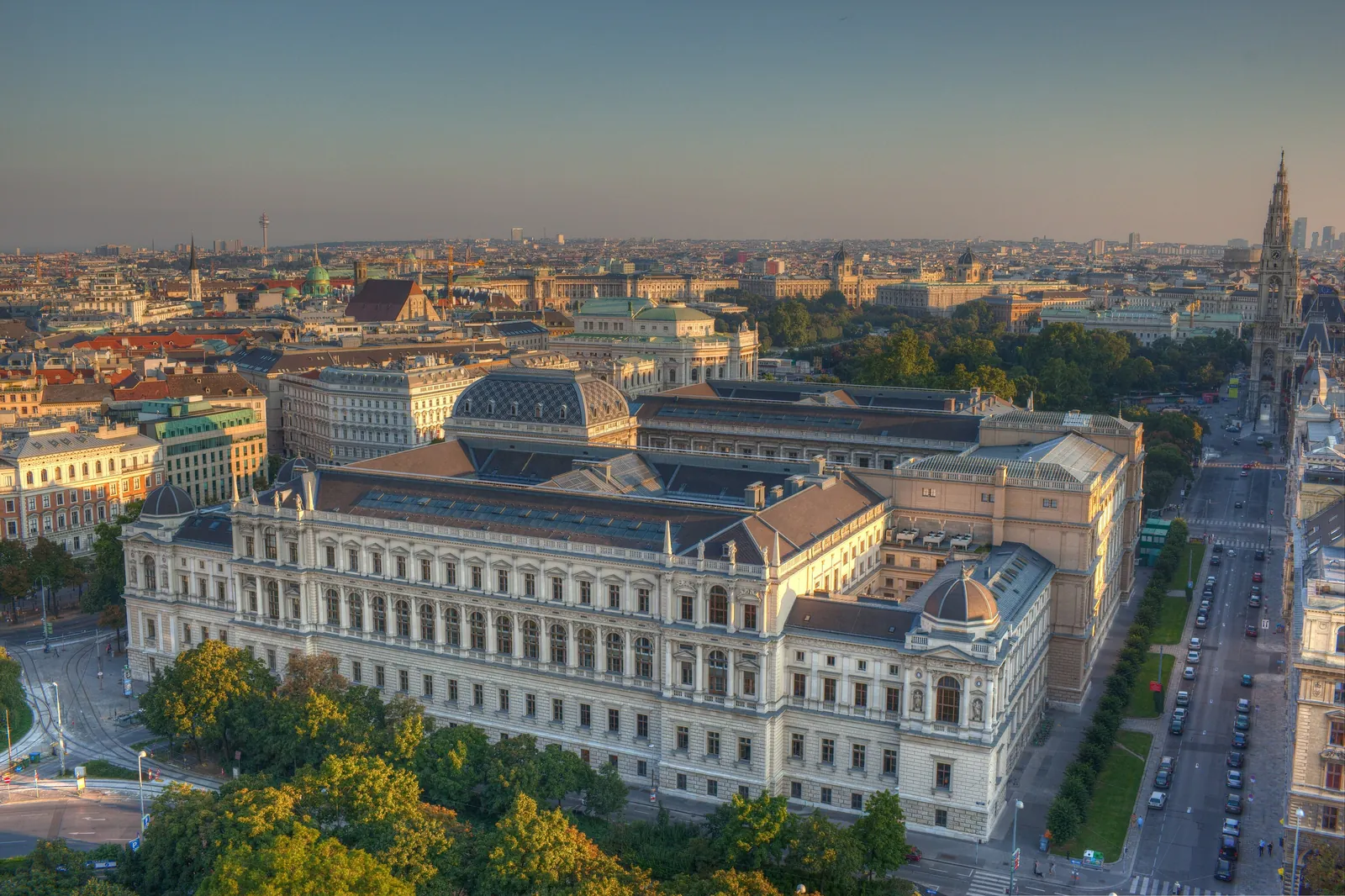
Also in Europe – Schengen: Music, engineering, business; low public fees · ≈ $13k/yr all-in

Same budget (Near-Free), different map: Tuition-free public universities; Spanish pathway · Tuition $0 at publics · living ≈ $8k/yr

The aspirational step-up: Quality + lifestyle; Green List aligned courses · ≈ $32k/yr all-in