
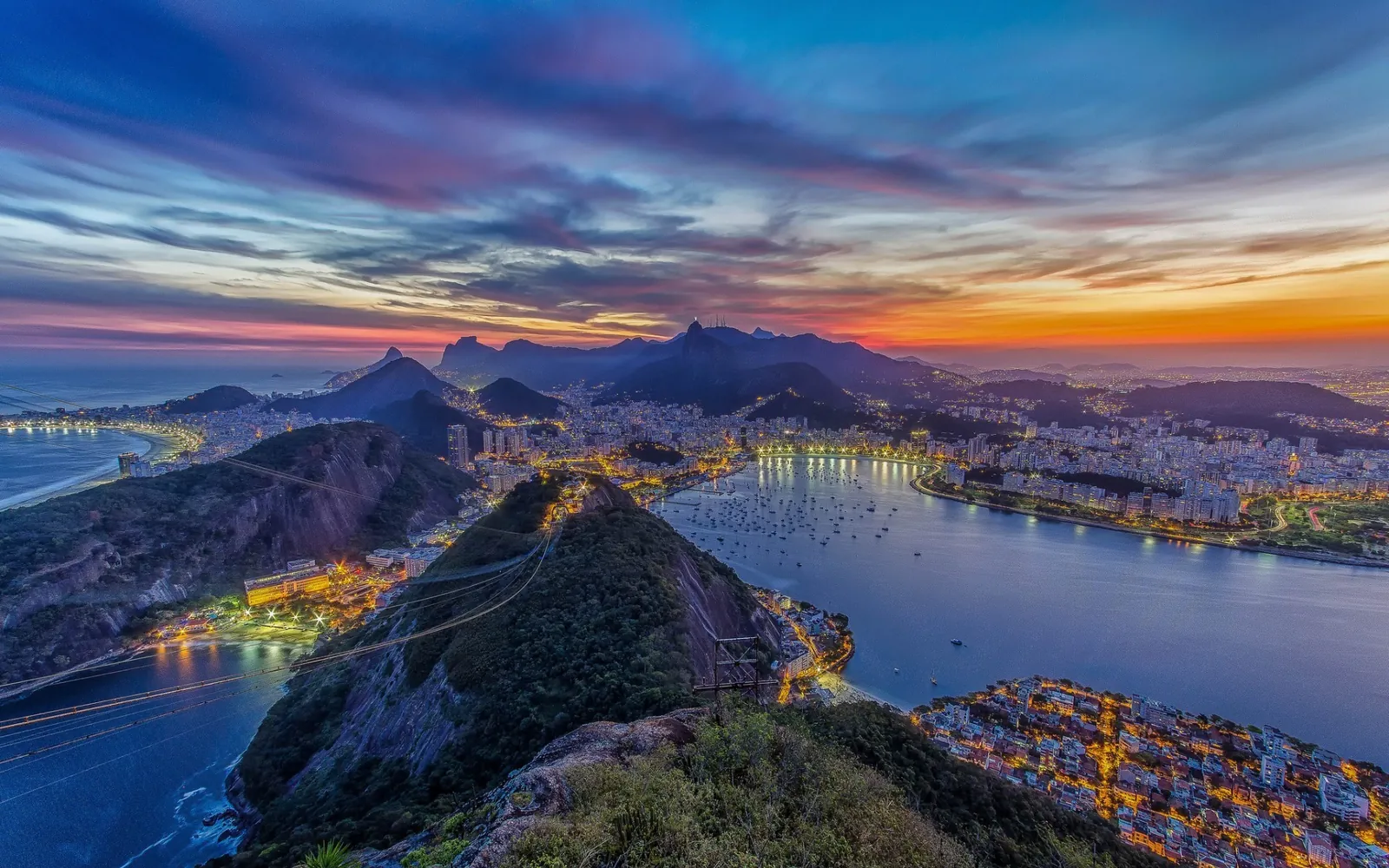
Study in Brazil Near-Free
Also in South America: Research universities; Portuguese pathway · Tuition $0 at federal publics · living ≈ $7k/yr
Argentina makes an offer no other country on this list can copy: its public universities charge no tuition — to anyone, including international students. The University of Buenos Aires (UBA) is a giant of Latin American higher education — Nobel laureates, a famous medical school, enormous architecture, law and social-science faculties — and its lecture halls are open to a Pakistani student for the cost of living in one of the world's most liveable, affordable capitals. Private universities add English-taught and bilingual options at moderate fees. The honest framing, printed up front: Argentina teaches overwhelmingly in Spanish, and its economy is famously volatile — fees are zero, but currency swings are part of the contract, and residence is earned through the (genuinely welcoming) immigration system rather than granted with a diploma. Within those facts, this page makes the strongest honest case.
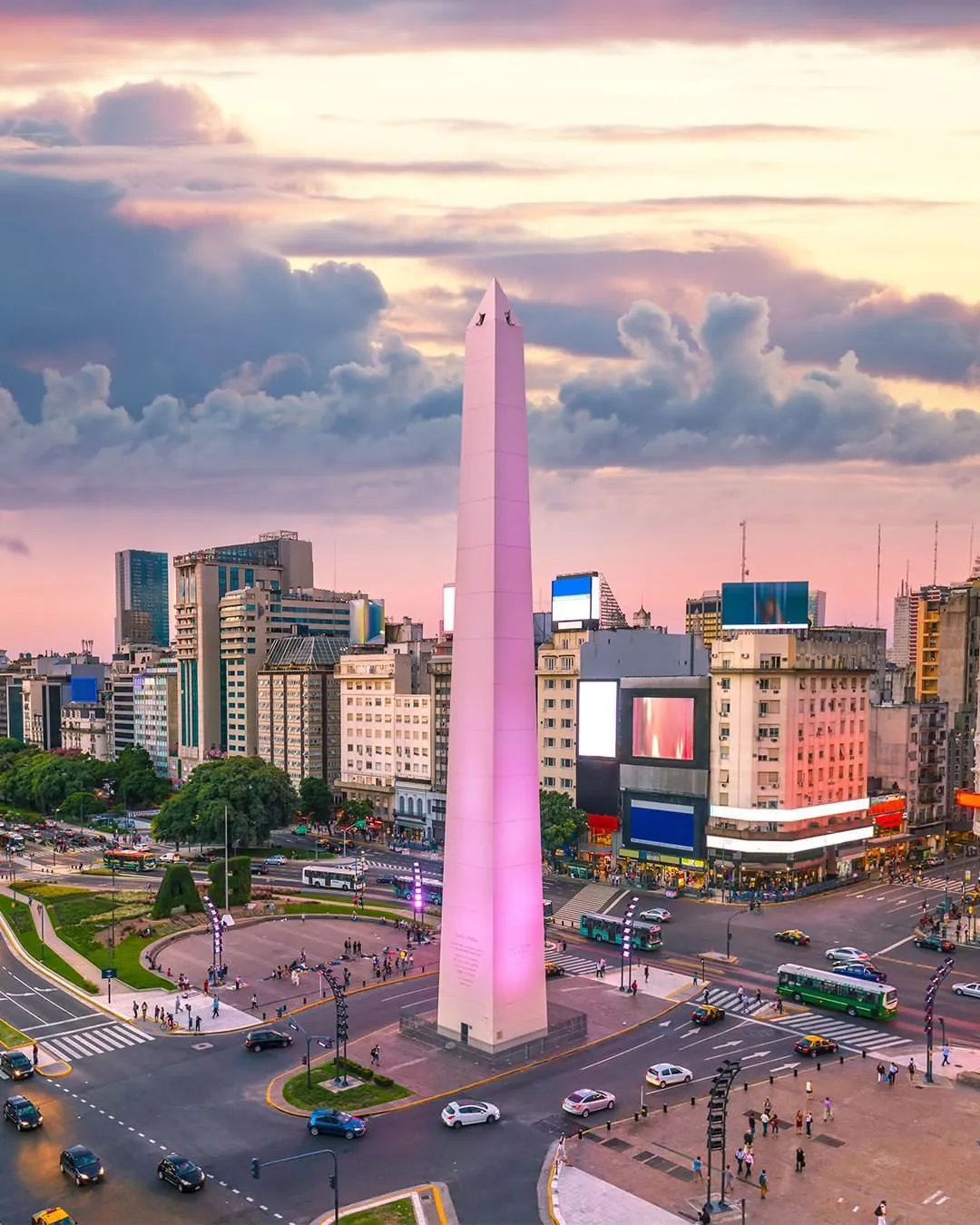
The complete, honest case for Argentina — how the free-tuition system works, the Spanish pathway, the real costs amid inflation, and the exact route from Pakistan — in one short narrated briefing.
The Argentina video briefing is in production
The narrated 4-minute briefing for Argentina lands in this slot very soon. Until then, get the exact same briefing — live, personal, and free — from a counsellor who will map it to your grades and budget.
The University of Buenos Aires educates well over 300,000 students, runs one of the Spanish-speaking world's most respected medical schools, and has produced five Nobel laureates. Most undergraduate degrees admit through the CBC foundation cycle rather than a competitive entrance exam — meaning a prepared, Spanish-ready Pakistani student genuinely can enrol. Behind UBA stand strong national universities in Córdoba, La Plata, Rosario and Mendoza, all tuition-free.
Buenos Aires delivers a European-flavoured capital — grand avenues, café culture, world football, serious theatre — at living costs around US$500–900 a month, among the lowest for any major capital on our list. Pair zero tuition with that cost base and a full degree's all-in price undercuts a single year in most English-speaking destinations.
Yes, Spanish is the price of admission — and Argentina is one of the best places on Earth to pay it: immersive daily life, affordable language schools, and UBA's own Spanish certification (CELU/CEI routes) designed for incoming students. You graduate bilingual into the world's second-largest native-language market — an employability asset that outlives the degree.
For students who want smaller classes, English-taught modules or US-style structures: Universidad de San Andrés, Universidad Torcuato Di Tella, Universidad de Palermo and Universidad Austral run Argentina's most international programmes at roughly US$5,000–12,000 a year — premium by local standards, a bargain by global ones, with merit scholarships published per cycle.
Argentina's migration tradition is unusually open: student temporary residence is straightforward, renewable, and carries work rights; graduates transition to work-based residence through employment, and residence years count toward permanent residence and eventual citizenship eligibility. Nothing is automatic — but few countries make the legal path this navigable. We map your exact route in your plan.
Argentina's economy swings — inflation and currency controls are recurring facts, and families must plan money movement and budgets with that reality in hand (we walk you through how students actually manage it, lawfully). What volatility has never changed: the tuition is zero, the universities keep teaching, and the cost of living in dollar terms has stayed low. We plan for the swings rather than pretending they don't exist.
Medicine (UBA)LawArchitecture & DesignPsychologyEconomics & BusinessComputer ScienceAgronomy & Food ScienceInternational RelationsFilm & CommunicationsSpanish & Literature
| Item | Guide figure | What to know |
|---|---|---|
| Tuition — public universities | US$0 | Free by national tradition for domestic and international students alike; small administrative and materials costs only |
| Tuition — private universities | ≈ US$5,000–12,000 / year | San Andrés / Di Tella / Palermo / Austral band, for English-taught and small-cohort programmes — quoted per university |
| Living costs | Buenos Aires ≈ US$500–900 / month | Córdoba and provincial cities run lower; the Spanish-preparation period, where needed, is priced into your plan |
Comparing countries on cost? See how Brazil compares — full cost guide or scan every option in the Study Abroad for Almost Free budget hub.
Argentina is the one destination where we lead with this sentence: the funding story is the free public university itself — there is no scholarship between you and a zero tuition bill, because there is no tuition bill. What additionally exists: CONICET doctoral fellowships funding PhD researchers with stipends, Argentine government and university cooperation grants that open periodic calls to partner countries, and merit awards at the privates. Our Argentina files spend their energy where yours should go — admission, Spanish readiness and living-cost budgeting — rather than inventing a scholarship hunt you don't need.
There is no separate "post-study visa" because Argentina's system works differently: student temporary residence includes work rights, graduates move to work-based temporary residence through employment, and lawful residence years accumulate toward permanent residence. The genuine constraints are economic, not legal — graduate salaries in pesos are modest, and many graduates aim at remote/foreign employers or regional careers. We frame Argentina honestly: free world-scale education plus one of the world's most navigable residence systems — with income planning done in dollars and eyes open.
Your current Spanish assessed honestly: what reaching B2 costs and takes, whether UBA's certification route or a language year fits, and your total cost to a tuition-free start — in writing.
UBA vs. Córdoba/La Plata vs. the bilingual privates compared on your exact degree, CBC/foundation demands, cohort reality and total cost to graduation.
Document legalisation and equivalency (convalidación) handled, enrolment and student residence completed, housing and a first-month checklist in hand before you fly.
It really is free: Argentine public universities charge no tuition to any enrolled student, foreign or local — it is a founding principle of the system, not a promotion. The real gates are elsewhere: Spanish-medium teaching and certification, document equivalency for your Pakistani qualifications, UBA's CBC foundation cycle for most degrees, and living costs you fund yourself. Any agent charging you "tuition placement" for a public Argentine university is inventing a bill that doesn't exist.
Yes — with a plan, not a shortcut. The standard route is 9–12 months of serious Spanish study (in Pakistan, online, or in Buenos Aires itself, where immersion halves the effort), reaching the B2-level certification universities require. Some private universities offer English-taught modules and bilingual tracks that soften the requirement. What doesn't exist is an English-only free degree — and we won't pretend it does. Your session prices the language year into the total, where it still leaves Argentina among the cheapest degrees on Earth.
On the public route, the degree is a living-costs calculation: at roughly US$500–900 a month in Buenos Aires (less in Córdoba), a five- to six-year degree commonly totals in the region of US$35,000–65,000 all-in — tuition zero — plus your Spanish-preparation period. Private bilingual routes add their fees on top. Your written plan prices your city, your route and your language starting point, in dollars, with inflation assumptions stated.
Planned for, not feared. Argentina's currency rules and parallel exchange realities are long-standing, and international students manage through the lawful channels we brief you on before departure — how families remit, how students budget month to month, and why dollar-denominated planning keeps living costs low even when peso prices move. Your session includes the current practical picture, updated, not a brochure version.
Legally, Argentina is one of the most navigable systems on our list: student residence already carries work rights, graduates shift to work-based residence through employment, and residence years count toward permanent status. Economically, be clear-eyed: local salaries are modest in dollar terms, and the strongest playbooks pair the Argentine degree with regional, remote or return-home careers. We build that career math into your plan from day one — the degree is free; the strategy is the product.
Still weighing it up? Browse the South America region hub or the Study Abroad for Almost Free budget hub to compare Argentina against its closest alternatives.
Four honest alternatives drawn from the South America region hub, the Near-Free budget tier and the premium step-up shelf — each with the reason it belongs on your shortlist.
Also in South America: Research universities; Portuguese pathway · Tuition $0 at federal publics · living ≈ $7k/yr
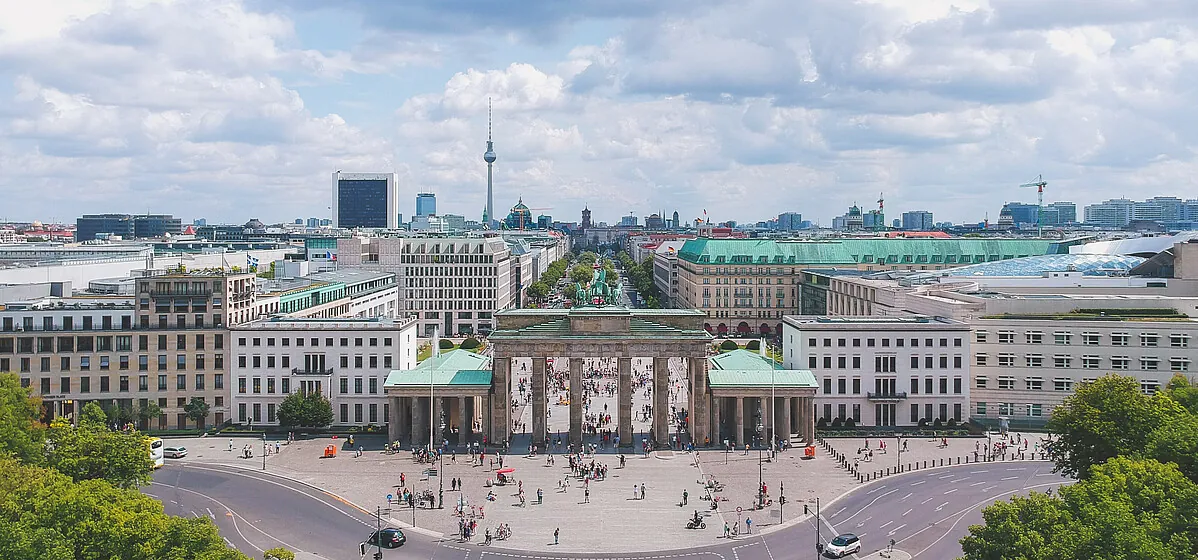
Same budget (Near-Free), different map: Engineering, CS, automotive; many low/no-tuition public routes · Tuition €0 · living ≈ $13k/yr

The aspirational step-up: Geothermal, environment, small cohorts · Tuition €0 · living ≈ $25k/yr
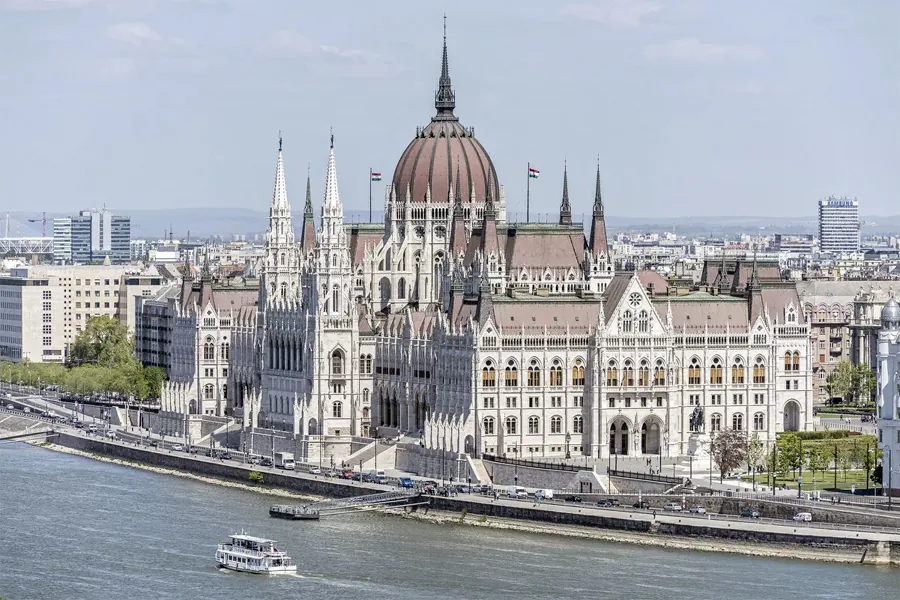
Same budget (Near-Free), different map: Medicine, dentistry, vet; Stipendium Hungaricum · Stipendium Hungaricum = full ride · self-funded ≈ $14k/yr