
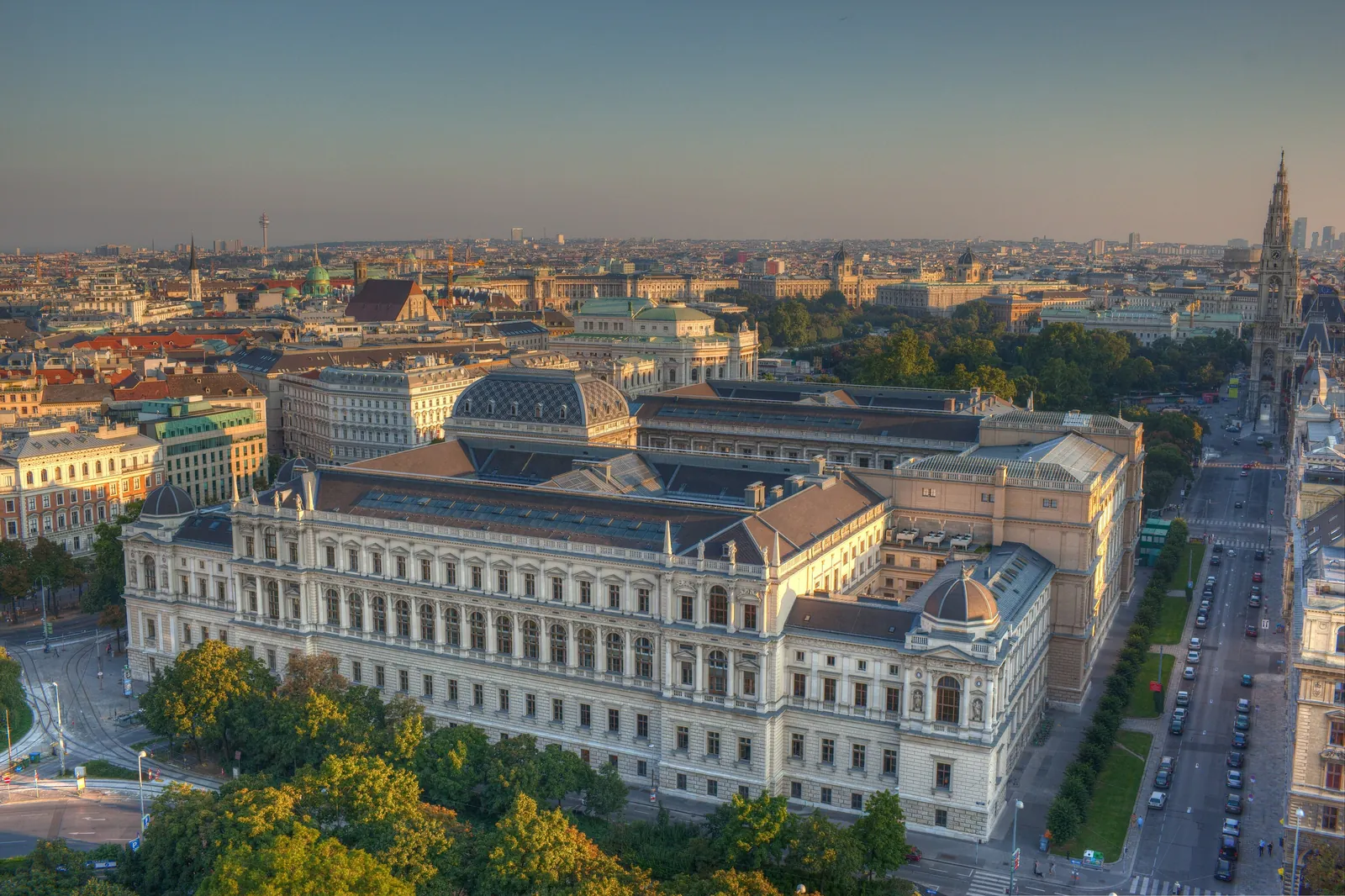
Study in Austria Mid-Range
Cheaper alternative: Music, engineering, business; low public fees · ≈ $13k/yr all-in
Read that again: Iceland's public universities — the University of Iceland and the University of Akureyri — charge no tuition fees, only a modest annual registration fee (around ISK 75,000, roughly €500–600). You pay in living costs instead: Reykjavík is expensive, and we will show you exactly how expensive. In return you get English-taught master's programmes in geothermal energy, sustainability, marine science and more, tiny classes, the world's top safety rankings year after year, northern lights from your dorm window — and a graduate route to stay and seek work. Iceland is the connoisseur's Schengen: few seats, zero tuition, total honesty required.

The complete, honest case for Iceland — the zero-tuition truth, the living-cost reality, the grant for Icelandic studies, and the exact route from Pakistan — in one short narrated briefing.
The Iceland video briefing is in production
The narrated 4-minute briefing for Iceland lands in this slot very soon. Until then, get the exact same briefing — live, personal, and free — from a counsellor who will map it to your grades and budget.
While Norway introduced fees and Germany debates them, Iceland's public universities still charge international students no tuition — just the annual registration fee. Private institutions (e.g. Reykjavík University, Bifröst) charge fees, and we price them separately — but the public route remains one of the planet's great education bargains.
Iceland runs on nearly 100% renewable electricity and leads the world in geothermal expertise. The University of Iceland, the UNU Geothermal Training Programme tradition and Iceland School of Energy make it the natural classroom for energy, sustainability, climate and environmental careers — fields Pakistani engineers increasingly target.
Iceland tops the Global Peace Index almost every year, violent crime is vanishingly rare, and society runs on first names and trust. For parents — especially of daughters — researching destinations, Iceland's safety record is frequently the deciding exhibit.
A nation of under 400,000 people runs universities where professors know your name, research groups take master's students seriously from semester one, and your supervisor's reference carries real knowledge of your work. Small is a quality strategy here.
Master's programmes teach widely in English and Icelanders' English proficiency is elite — daily life, part-time work and internships function in English. Icelandic unlocks the public sector and deeper integration; the famous Árni Magnússon scholarship exists precisely to fund people learning it.
Reykjavík rent and food prices are among Europe's highest — plan roughly €1,400–1,900 a month, and student housing (applied for the day you're admitted) is the difference between comfort and crisis. Iceland rewards funded, prepared students and punishes magical thinking. Our files budget the real numbers before any application is sent.
Geothermal & Renewable EnergyEnvironmental & Sustainability ScienceMarine & Fisheries ScienceComputer ScienceGeology & Earth SciencesPublic HealthIcelandic StudiesBusiness & InnovationPsychologyArctic Studies (Akureyri)
| Item | Guide figure | What to know |
|---|---|---|
| Tuition — public universities | €0 + registration ≈ ISK 75,000 / year | University of Iceland & University of Akureyri — the fee covers administration, not tuition |
| Tuition — private universities | ≈ €8,000–15,000 / year | Reykjavík University and peers — priced per programme in your shortlist |
| Living costs (Reykjavík) | ≈ €1,400–1,900 / month | Student housing via the student housing foundation is the budget key — private rent doubles the burn |
| Residence funds proof | ≈ ISK 260,000–290,000 / month (guide) | The Directorate of Immigration sets the monthly support figure — we confirm the current amount and evidence format for your filing |
Comparing countries on cost? See how Australia compares — full cost guide or scan every option in the Premium: World Elite budget hub.
Iceland's signature award is the Icelandic Government Scholarship for Icelandic Studies, administered with the Árni Magnússon Institute — funding students from a list of countries to study Icelandic language and culture at the University of Iceland (eligibility by nationality list, confirmed per call). Around it: the universities' own research assistantships and project grants at master's/PhD level, Nordic and Erasmus Mundus funding, and — most powerful of all — the structural saving of zero tuition itself. Our Iceland files are built backwards from one question: can your family evidence Reykjavík living costs for the full degree? If yes, Iceland's total can rival 'cheap' countries that charge fees. If no, we say so and redirect you early.
Recent Icelandic reforms give graduates of Icelandic universities a route to a residence permit to seek employment — currently up to three years for eligible graduates (terms confirmed for your case at filing) — among Europe's most generous windows, converting to a standard work permit when hired. Students may work part-time alongside studies under their permit conditions; Icelandic wages are high, and tourism, services and tech hire English speakers year-round — but your residence case must stand on documented funds, never on hoped-for wages.
Before shortlists: your family's living-cost evidence tested against the Immigration Directorate's current monthly figure, programme by programme. Iceland files begin with arithmetic, not dreams.
University of Iceland and Akureyri programmes matched to your field and grades; private options priced only where they add something the publics don't. Application deadlines for non-EEA students land early (often February–April) — your file is built a season ahead.
Residence application with funds evidence in the prescribed format, student-housing application fired the day admission lands, and your arrival checklist (kennitala ID number, bank, health registration) sequenced.
At public universities, yes: no tuition, only the annual registration fee (about ISK 75,000). The catches are admission competitiveness (places are limited and master's programmes select), the early non-EEA deadlines, and Reykjavík living costs — which is why our process starts with a funding reality check rather than an application.
The Directorate of Immigration requires evidence of secure support at a set monthly amount — plan around ISK 260,000–290,000 per month, confirmed at filing — in your own or your sponsor's documented funds. Because there is no tuition, the entire case is living-cost evidence; format and history matter enormously, and we audit both.
English-taught programmes require documented proficiency (commonly IELTS 6.5 at master's level, programme-set). Bachelor-level English-taught choice is narrower — many undergraduate programmes teach in Icelandic, so we check your level honestly and shortlist only programmes you can actually enter and complete.
Part-time work at Icelandic wages helps substantially — students commonly work in tourism, hospitality and services — but permits and study progress come first, and your residence is granted on documented funds alone. Budget work as relief, never as the plan.
Iceland introduced a generous post-study job-search residence for graduates of its universities — currently up to three years for eligible degree-holders under the rules in force. We verify the exact terms for your graduation year before you rely on them, and build your employer map (energy, tech, tourism, research) from semester one, not after the party.
Still weighing it up? Browse the Europe – Schengen region hub or the Premium: World Elite budget hub to compare Iceland against its closest alternatives.
Four honest alternatives drawn from the Europe – Schengen region hub, the Premium budget tier and the premium step-up shelf — each with the reason it belongs on your shortlist.
Cheaper alternative: Music, engineering, business; low public fees · ≈ $13k/yr all-in
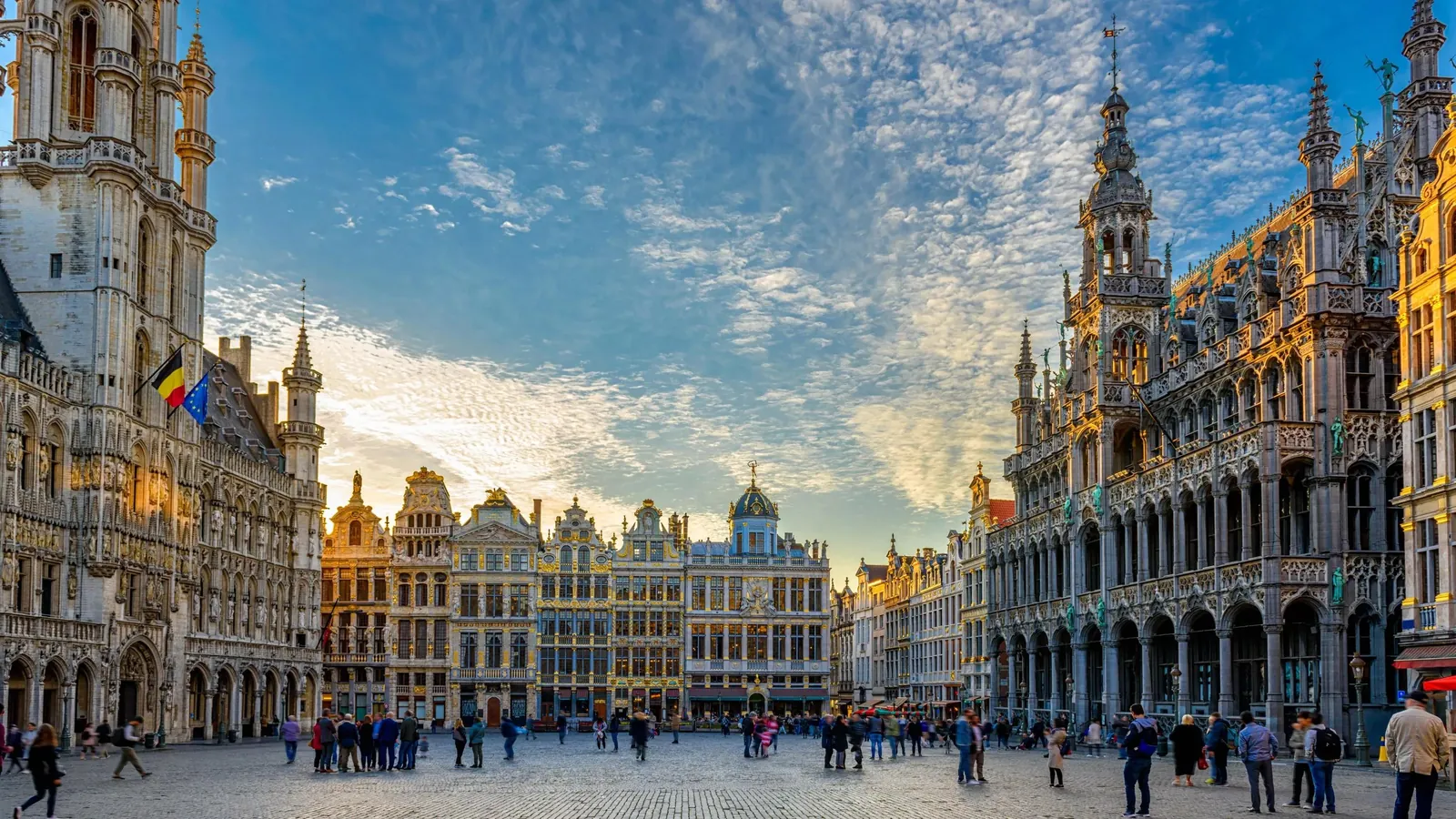
Cheaper alternative: EU capital; business, engineering, health · ≈ $15k/yr all-in

Same budget (Premium), different map: American-model private universities; Gulf family base · ≈ $24k/yr all-in
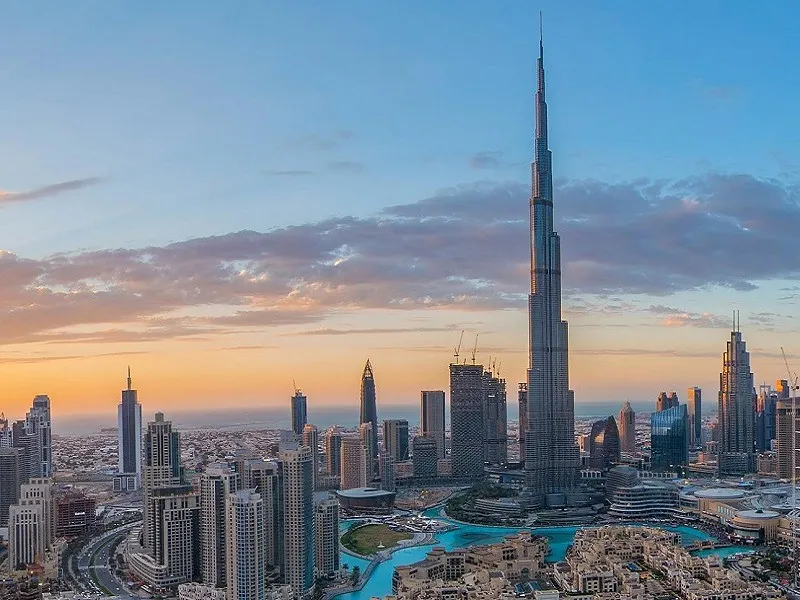
The aspirational step-up: Branch campuses; Dubai/Abu Dhabi hubs · ≈ $26k/yr all-in