
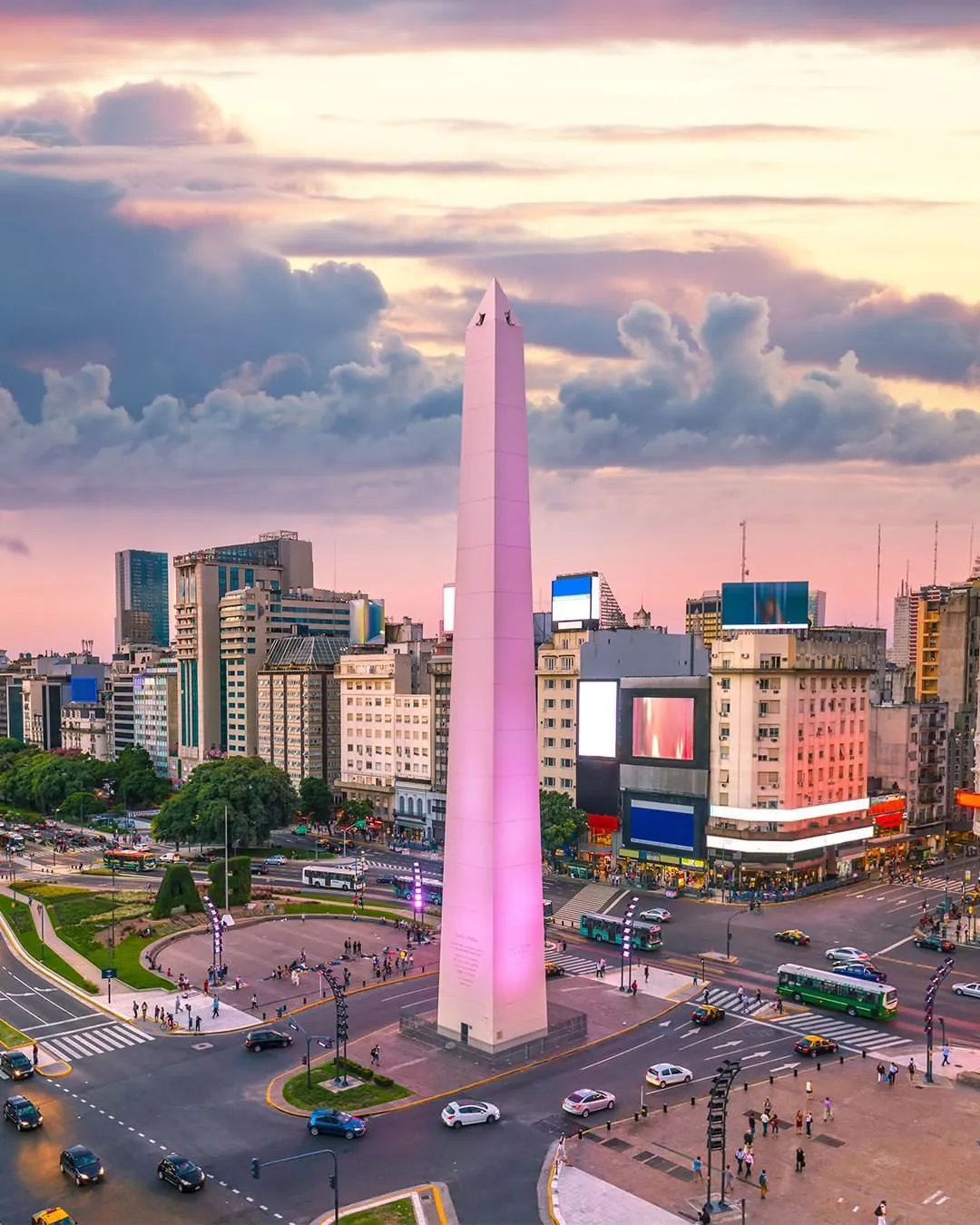
Study in Argentina Near-Free
Also in South America: Tuition-free public universities; Spanish pathway · Tuition $0 at publics · living ≈ $8k/yr
Here is the fact that stops the room: Brazil’s federal universities — USP, Unicamp, UFRJ and peers, ranked among Latin America’s best — charge no tuition at all, to Brazilians or to foreigners. The door for international students is the PEC-G programme, which reserves places (with a funded Portuguese year built in) — because degrees are taught in Portuguese, and that language year is the honest price of a free elite degree. Add living costs far below Europe and the world’s friendliest campus culture, and Brazil becomes the boldest value play on this entire site.

The complete, honest case for Brazil — the zero-tuition federal system, the PEC-G door, the Portuguese year, and the exact route from Pakistan — in one short narrated briefing.
The Brazil video briefing is in production
The narrated 4-minute briefing for Brazil lands in this slot very soon. Until then, get the exact same briefing — live, personal, and free — from a counsellor who will map it to your grades and budget.
Brazil’s public universities are tuition-free by law — including for the international students admitted through official channels. USP (University of São Paulo) ranks at or near the top of Latin American tables, with Unicamp, UFRJ, UFMG and UFRGS in the same conversation. The barrier isn’t money. It’s Portuguese — and barriers that yield to one year of study are the good kind.
The PEC-G programme (Programa de Estudantes-Convênio de Graduação) reserves undergraduate places at Brazilian public universities for students from partner developing countries, and includes a free Portuguese course with the CELPE-Bras proficiency exam before your degree begins. Postgraduate sibling scheme PEC-PG funds master’s and PhD study. We confirm Pakistan’s current participation window and build your file to the embassy’s checklist.
Portuguese is spoken by 260M+ people across Brazil, Portugal and Africa — and almost nobody in the Pakistani graduate market has it. A free Brazilian degree plus professional Portuguese makes you a category of one for trade, energy, agriculture and development employers working between Asia and Latin America.
Brazil runs world-scale science: tropical medicine, agriculture (Embrapa is a global legend), aerospace (Embraer), energy and biodiversity research in the Amazon’s backyard. Public universities are research universities — undergraduate students join laboratories early, and postgraduate funding (CAPES/CNPq scholarships) is a real system, not a rumour.
Outside São Paulo’s premium districts, students live well on roughly US$500–900/month — university restaurants serve subsidised meals for a few reais, and many federal universities provide student housing assistance. Your family’s total exposure can undercut a single year in the UK — for the whole degree.
Portuguese is non-negotiable for public-university degrees (English-taught programmes exist mainly at private universities, which charge fees). Post-study work runs through employer-sponsored work residence — there’s no open graduate visa — and bureaucracy moves at its own pace. Brazil rewards the patient and the prepared; that’s why the file is built with us, a full cycle ahead.
MedicineEngineering (Aerospace, Civil, Petroleum)Computer ScienceAgriculture & Food ScienceEnvironmental & Amazon StudiesArchitectureLaw & International RelationsPublic Health & Tropical MedicineBusiness (private universities)Portuguese Language + Degree
| Item | Guide figure | What to know |
|---|---|---|
| Tuition — federal/state public universities | R$0 | Free by law, including PEC-G entrants; you budget living costs only |
| Tuition — private universities | ≈ R$1,500–5,000 / month | PUC and peers; medicine far higher — the public route is the strategy |
| Living costs | ≈ R$2,500–4,500 / month | University restaurants & housing aid compress this further; São Paulo/Rio at the top |
| Visa funds evidence | Means for your stay, documented | PEC-G files are lodged via the Brazilian embassy — clean sponsor evidence, prepared early |
Comparing countries on cost? See how Argentina compares — full cost guide or scan every option in the Study Abroad for Almost Free budget hub.
For PEC-G undergraduates, the scholarship is the free tuition plus the funded Portuguese year (the programme itself does not pay a living stipend — budget accordingly). At postgraduate level, CAPES and CNPq scholarships fund master’s and PhD researchers, and PEC-PG channels international postgraduates into funded places. University housing and subsidised-meal schemes stretch every real further. Our Brazil files are built around the official programmes — never around paying private fees for what the public system gives free.
Brazil offers no automatic post-study work visa: staying to work means a residence permit tied to an employment contract (employer-sponsored), a route Brazilian graduates’ employers know well — and graduates of Brazilian institutions can also regularise through other residence categories that change over time (we verify the current rules for your graduation year). Realistically, most Pakistani graduates build their launch from the degree + Portuguese combination across Brazil-linked employers in the Gulf, Pakistan and beyond. Part-time work during study is restricted on a student visa — budget on family funds.
We confirm the current PEC-G window for Pakistan, match your grades to federal-university courses, and set realistic city choices beyond Rio/São Paulo.
PEC-G applications run through the Brazilian embassy on a fixed annual calendar — attested documents, health and funds evidence, all sequenced with months to spare.
You complete the funded Portuguese course and CELPE-Bras certification in Brazil, then walk into your tuition-free degree — with our settling-in checklist for housing, CPF registration and university enrolment.
The catch is Portuguese and process, not money. Public universities teach in Portuguese, so PEC-G builds in a language year ending with the CELPE-Bras proficiency exam — pass it and your degree place activates. Places are allocated by country agreement and academic record, and numbers are limited. It’s competitive and bureaucratic, which is precisely why a professionally built, early file matters.
At private universities, some English-taught and bilingual programmes exist — but they charge monthly fees, surrendering Brazil’s core advantage. Our honest advice: if you won’t invest the Portuguese year, choose a different destination from our list. If you will, almost nothing anywhere matches a free degree from USP-tier institutions.
Living costs only — roughly US$500–900/month depending on city, plus flights and setup. Over a full degree that can total less than one year of UK tuition. PEC-G doesn’t pay a stipend, so your family funds living costs in full — the visa file evidences exactly that, cleanly and early.
Brazilian campus culture is famously warm to foreigners, and major cities have Muslim communities and mosques (São Paulo hosts one of Latin America’s largest). City safety requires the usual big-city intelligence — neighbourhood choice and habits, covered street-by-street in our briefing for your university city.
The degree + Portuguese combination is rare and tradeable: Brazilian multinationals, Gulf employers working with Brazil, development agencies, agribusiness and energy all value it. Post-study work inside Brazil requires employer-sponsored residence (no automatic visa) — we set expectations and employer targets honestly from your first session.
Still weighing it up? Browse the South America region hub or the Study Abroad for Almost Free budget hub to compare Brazil against its closest alternatives.
Four honest alternatives drawn from the South America region hub, the Near-Free budget tier and the premium step-up shelf — each with the reason it belongs on your shortlist.
Also in South America: Tuition-free public universities; Spanish pathway · Tuition $0 at publics · living ≈ $8k/yr
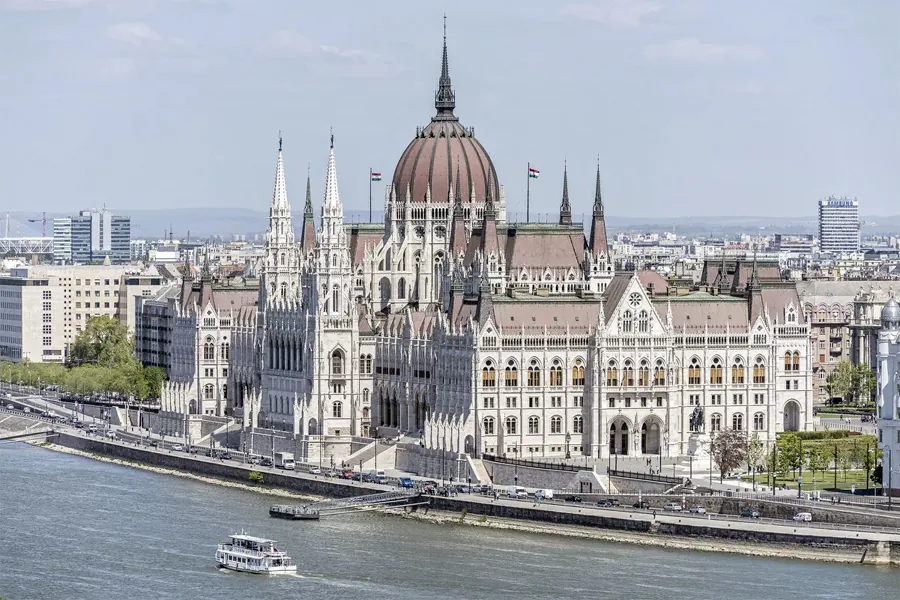
Same budget (Near-Free), different map: Medicine, dentistry, vet; Stipendium Hungaricum · Stipendium Hungaricum = full ride · self-funded ≈ $14k/yr

The aspirational step-up: Education City branch campuses; HBKU & QU scholarships · Education City · aid can cut costs deeply

Same budget (Near-Free), different map: Medicine, design, engineering; regional scholarships exist · Fees from ≈ €0 (income-based) · living ≈ $10k/yr