
Study in Canada Premium
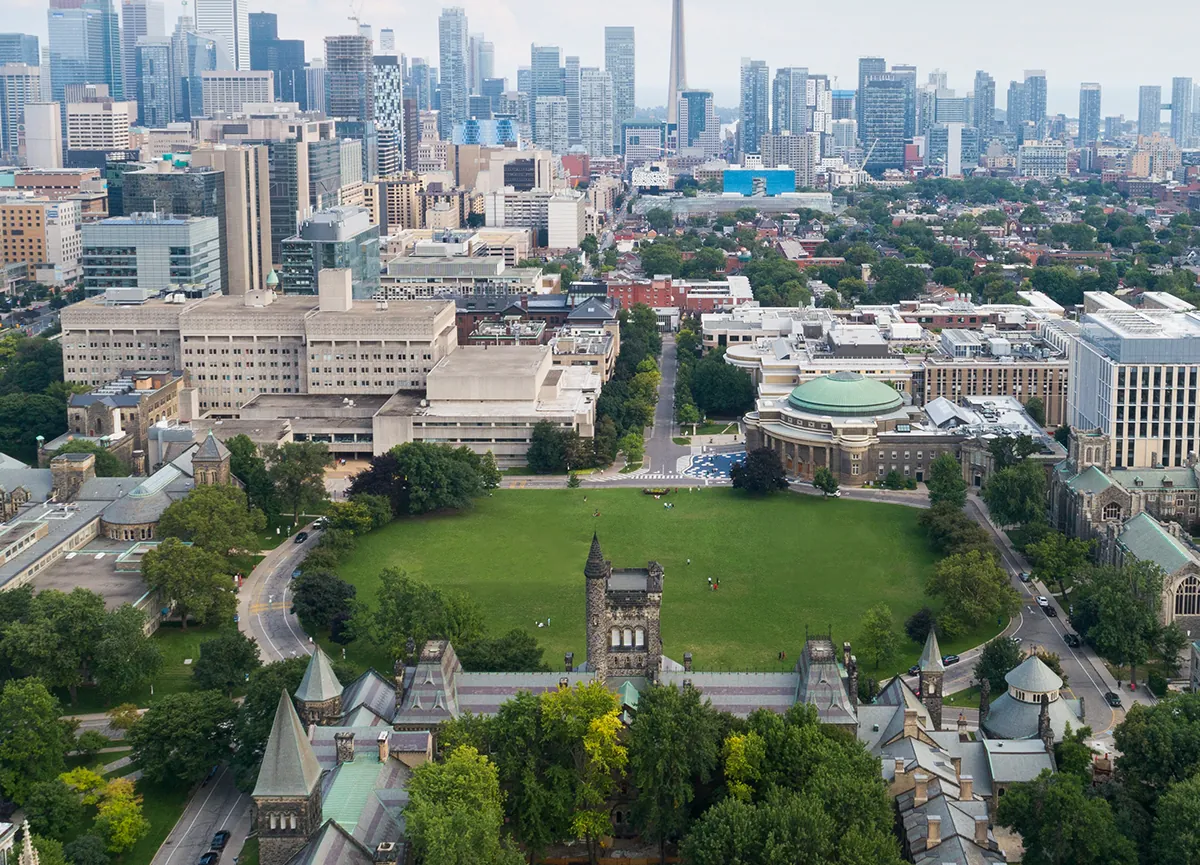
Also in North America: PGWP & PR-pathway planning; public colleges + universities · ≈ $35k/yr all-in
Mexico is the Americas option almost nobody in Pakistan prices — and the numbers demand attention. UNAM, Latin America's most famous university, charges international students nominal fees; the public system behind it (IPN, UAM, the state universities) is similarly priced, while private flagships like Tecnológico de Monterrey and ITAM teach substantial programmes in English at fees well below the US. Mexico City is a top-tier global city, the living costs are a third of North America's usual, and nearshoring is pulling US industry — and graduate hiring — south at historic speed. The honest framing, printed up front: most of Mexico teaches in Spanish, so the language is the real admission ticket, and there is no automatic post-study work visa. Within those facts, this page makes the strongest honest case.
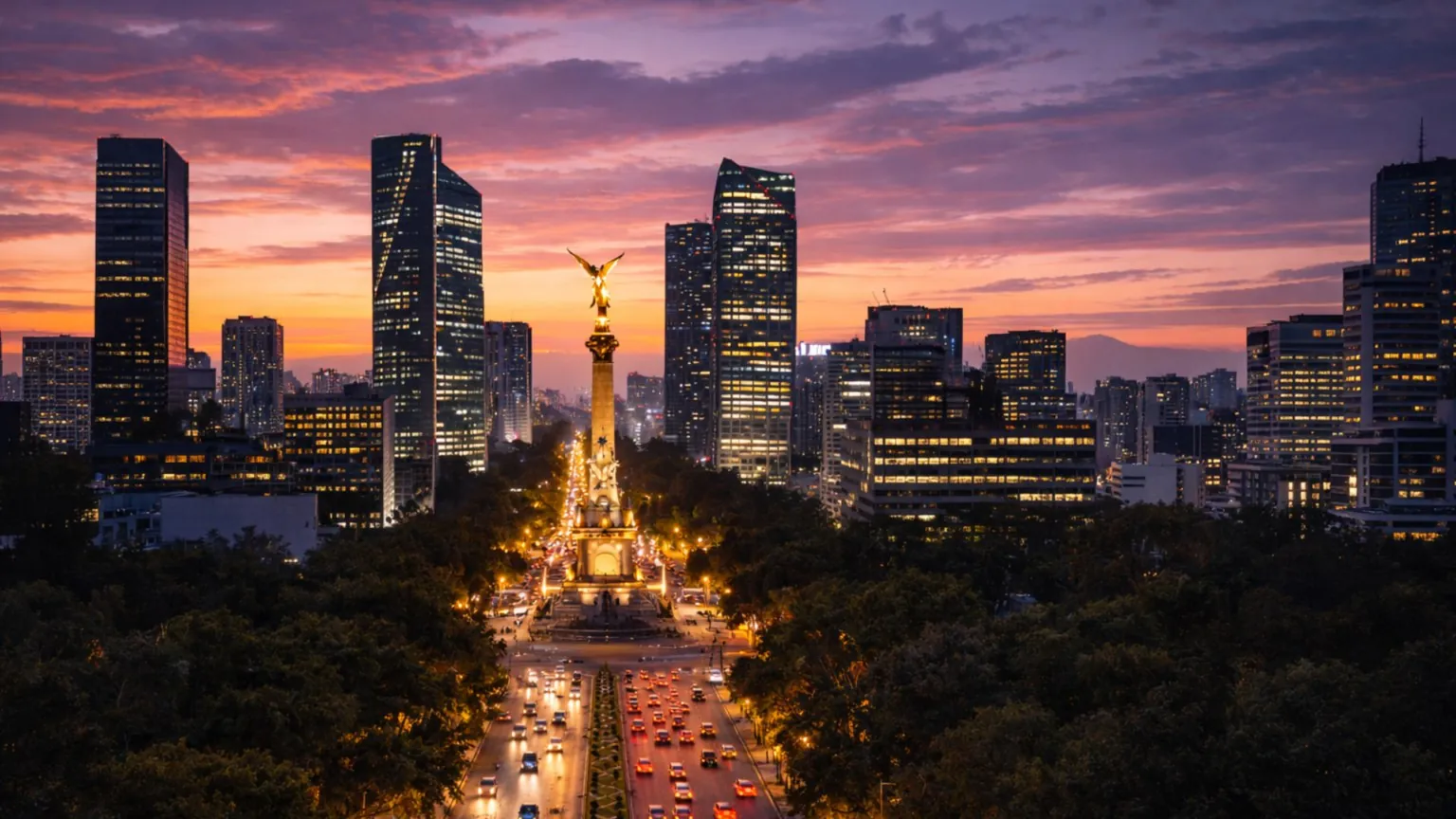
The complete, honest case for Mexico — the public-university price miracle, the English-taught alternatives, the scholarship routes, and the exact route from Pakistan — in one short narrated briefing.
The Mexico video briefing is in production
The narrated 4-minute briefing for Mexico lands in this slot very soon. Until then, get the exact same briefing — live, personal, and free — from a counsellor who will map it to your grades and budget.
The Universidad Nacional Autónoma de México is one of the largest and most decorated universities in the Spanish-speaking world — a UNESCO-listed campus, Nobel laureates, enormous research depth — and its fee philosophy is public-service: tuition for most programmes is nominal even for internationals, with real costs concentrated in admission processing and living. Behind it stands a whole public system (IPN for engineering, UAM, the great state universities of Guadalajara, Nuevo León and Puebla) priced the same way.
Door one: learn Spanish to B2 — a 9–12 month investment — and the near-free public system opens completely, leaving you fluent in the world's second-most-spoken native language. Door two: Tecnológico de Monterrey, ITAM, Universidad de las Américas Puebla and Universidad Anáhuac run English-taught and bilingual programmes at roughly US$8,000–16,000 a year — serious universities at a third of US prices. We map which door fits your timeline and budget.
Mexico has become the United States' top trading partner, and factories, tech hubs and logistics networks are expanding across Monterrey, Guadalajara ("Mexico's Silicon Valley") and the capital. Engineering, computing, supply-chain and business graduates — especially bilingual ones — are being hired into an economy integrating with North America at historic speed, on salaries that make the degree's tiny price tag look absurd.
Mexico City offers museums, food, football and culture at a genuinely global level for roughly US$600–1,000 a month — and Guadalajara, Monterrey and Puebla run cheaper still. Students live well here on budgets that would mean survival-mode in Toronto or Sydney; parents visiting find a country that rewards the trip.
For master's and PhD students, Mexico punches far above its price: the national science council (SECIHTI, formerly CONAHCYT) funds large numbers of graduate scholarships with monthly stipends on recognised programmes, and the Mexican government's AMEXCID scholarship programme has historically opened calls to Pakistani applicants. At postgraduate level, a funded Mexican degree is a realistic plan, not a lottery ticket.
Mexican society is famously warm, family-centred and religiously observant in its own tradition — values Pakistani families recognise instantly. Halal food takes effort outside the big cities (we are honest about that), but Mexico City and Guadalajara have established Muslim communities and mosques, and the Pakistani and wider South Asian presence is growing with the tech economy.
Engineering (IPN · Tec)Computer Science & DataMedicine (Spanish-medium publics)International BusinessArchitectureLaw & International RelationsHospitality & TourismFilm & Creative IndustriesSupply Chain & LogisticsSpanish & Latin American Studies
| Item | Guide figure | What to know |
|---|---|---|
| Tuition — public universities | Nominal to ≈ US$3,000 / year | UNAM and the public system's philosophy is access; entrance examinations and Spanish proficiency are the real gates |
| Tuition — private universities | ≈ US$8,000–16,000 / year | Tec de Monterrey / ITAM band, with merit scholarships published per cycle — quoted per university in your shortlist |
| Living costs | Mexico City ≈ US$600–1,000 / month | Provincial university cities run lower; the Spanish-preparation year, where needed, is priced into your plan |
Comparing countries on cost? See how Austria compares — full cost guide or scan every option in the Mid-Range: Maximum Value budget hub.
The funding story splits by level. For master's and PhD students: SECIHTI (ex-CONAHCYT) graduate scholarships with monthly stipends cover large cohorts on recognised programmes, and AMEXCID government calls have historically included Pakistan — these are real, competitive and worth building a file around. For undergraduates: the scholarship is the price itself — nominal public fees, topped by merit awards at the privates. Our Mexico files state which world you are in and pursue exactly that funding, in writing.
Mexico has no automatic post-study work visa: the route is a job offer, then employer-supported change to work-authorised temporary residence — a well-trodden legal path that Mexico's expanding foreign-invested economy uses constantly, and temporary residents accrue time toward permanent residence. Student status itself does not carry general work rights, so part-time earnings are not a funding plan. We frame Mexico honestly: a superbly priced degree plus employability in a booming, US-integrated economy — with residence earned through hiring, not granted with the diploma.
Spanish-first public route vs. English-taught private route settled against your timeline, budget and current language level — including what a Spanish foundation year costs and buys. In writing.
UNAM/IPN and peers vs. Tec/ITAM and peers compared on your programme, entrance-exam demands, net fees and — for postgraduates — SECIHTI/AMEXCID scholarship realism.
Entrance requirements and student residence completed, document legalisation/apostille handled, housing and first-month checklist in hand before the long flight.
Yes — through one of the two doors. Either you join an English-taught or bilingual programme at a top private (Tec de Monterrey, ITAM and peers run substantial English offerings), or you invest 9–12 months reaching B2 Spanish and unlock the near-free public system — emerging fluent in a language spoken by 500 million people, which is itself a career asset. What is not realistic is an English-only bargain hunt through the public system; we will not pretend otherwise. Your session prices both doors honestly.
The fees genuinely are nominal — UNAM was founded on free public education and charges symbolic amounts for most programmes. The catches are admission, not money: highly competitive entrance examinations (in Spanish), Spanish-medium teaching, and bureaucracy that rewards early, well-prepared files. For medicine and the most demanded degrees, competition is fierce. We assess your realistic admission probability before building the plan around it, and always pair an ambitious public target with an achievable alternative.
On the public route: living costs dominate — a four-year bachelor's commonly totals in the region of US$30,000–50,000 all-in, tuition almost a rounding error. On the private English route: roughly US$60,000–110,000 across a degree, before merit awards. Either figure sits far below comparable US or Canadian totals. Your written plan prices your door, your city and your shortlist to completion.
The honest answer is city- and neighbourhood-specific — the same way locals judge it. The great university cities and districts where students actually live (Mexico City's university zones, Guadalajara, Monterrey, Puebla, Querétaro) function normally for hundreds of thousands of students, with the usual big-city awareness. We brief families on the specific city and district of each shortlisted university, transport habits and housing location — safety by specifics, not by headlines in either direction.
Not automatically — but the mechanism is real: a job offer converts your status to work-authorised temporary residence, and Mexico's nearshoring economy is hiring engineers, developers, logisticians and bilingual business graduates at scale. Time on temporary residence counts toward permanent residence. What we promise is positioning — the right degree, Spanish fluency, internship exposure — not a visa outcome no one can guarantee.
Still weighing it up? Browse the North America region hub or the Mid-Range: Maximum Value budget hub to compare Mexico against its closest alternatives.
Four honest alternatives drawn from the North America region hub, the Mid-Range budget tier and the premium step-up shelf — each with the reason it belongs on your shortlist.
Also in North America: PGWP & PR-pathway planning; public colleges + universities · ≈ $35k/yr all-in
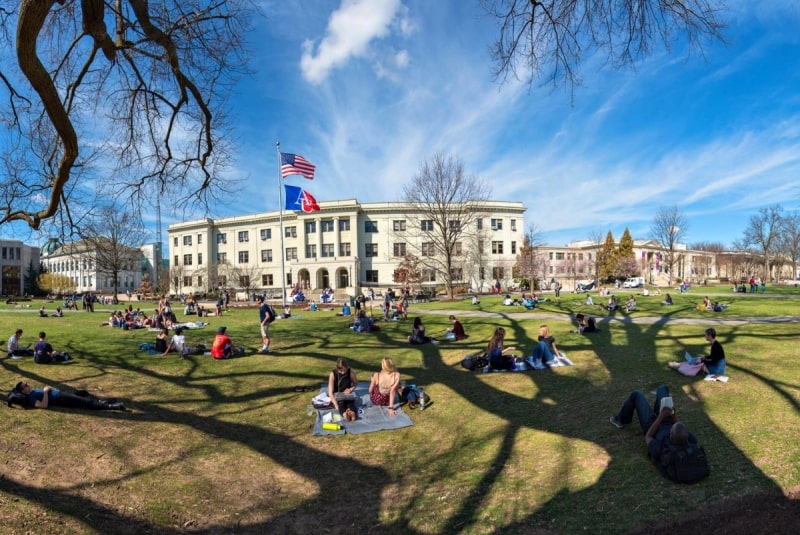
Also in North America: Largest choice; scholarships & STEM-OPT strategy · ≈ $45k/yr all-in
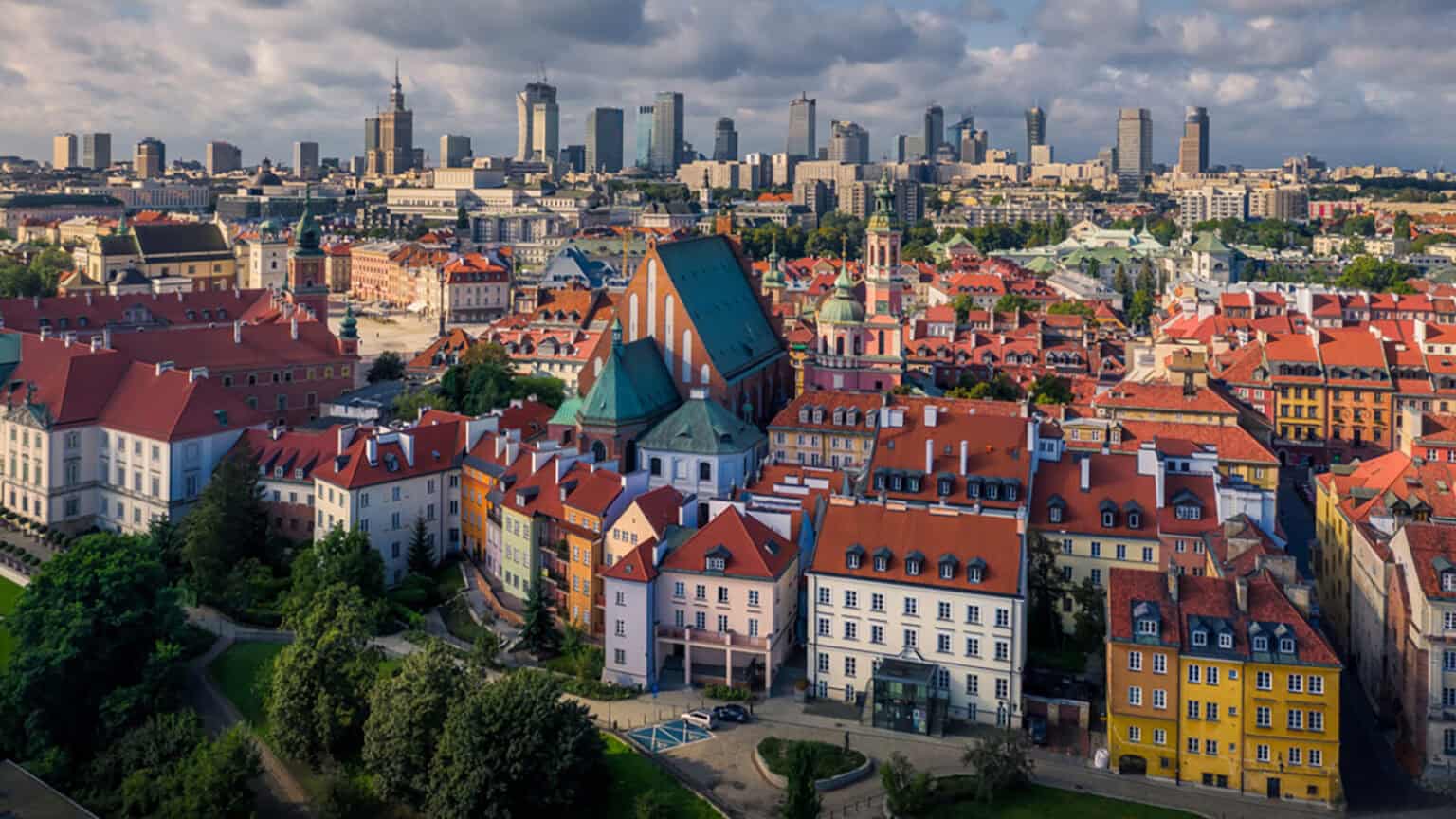
Same budget (Mid-Range), different map: MBBS & engineering in English; strong value · ≈ $11k/yr all-in

The aspirational step-up: Innovation, sustainability, engineering · ≈ $25k/yr all-in