
North America: the USA & Canada at full scale — plus Mexico, the Americas’ smart-money surprise.
The USA offers the deepest bench of universities and the most generous graduate funding on earth; Canada pairs quality public education with the clearest study → work → PR planning route in the West. And Mexico — near-free public giants like UNAM and English-taught privates at a third of US prices — is the option almost nobody in Pakistan has priced yet. Big dreams belong here; random applications don’t.
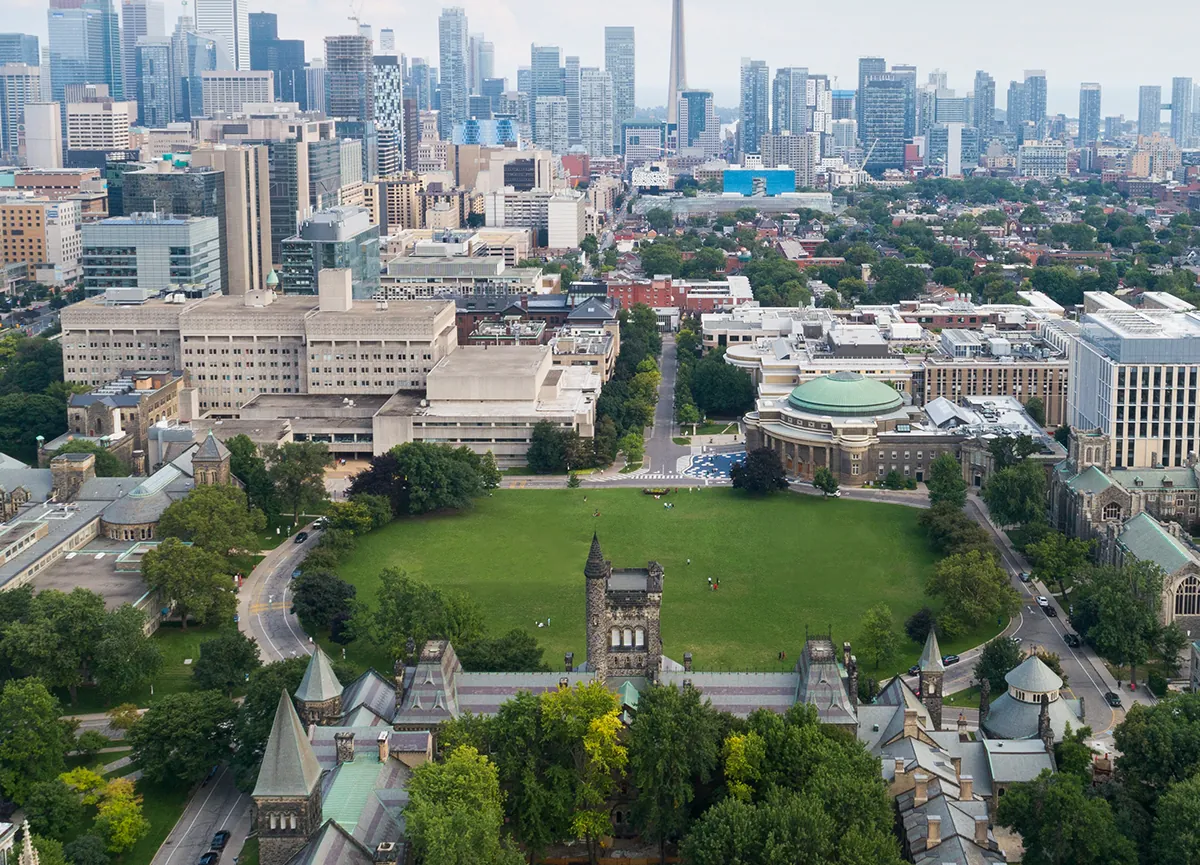
All 3 North American countries we cover
Two premium giants and one mid-range disruptor. Every card opens the full deep-dive — funding strategy, work rights, PR pathways and the honest costs.
Side by side: how this hub’s routes compare
Best for funding & rankings: USA
Assistantships, merit scholarships and STEM-OPT (up to 3 years of work rights) change the maths completely — if you target universities where your profile is above average. That targeting is the whole game, and it’s our US practice’s speciality.
Best for PR planning: Canada
Programme and province choice drive PGWP and PNP outcomes, so we plan the PR route from day one — course, city, budget and study-plan aligned, with the funds evidence IRCC actually wants.
Best for budget in the Americas: Mexico
UNAM and the public system charge nominal fees; Tec de Monterrey and ITAM teach in English at roughly US$8–16k/yr. The honest price of the cheap door is Spanish — a 9–12 month investment that unlocks a near-free degree and a language spoken by 500 million people.
Questions students ask about this hub
USA or Canada — how do I choose?
If rankings, research funding and career ceiling lead, the USA wins — with funding strategy doing the heavy lifting. If a planned, points-based route to permanent residence leads, Canada’s PGWP + PNP/Express Entry planning is cleaner. Many of our students apply to both with one prepared file; your session maps which deserves your first rupee.
Can I afford the USA without rich parents?
Often, yes — at master’s and PhD level especially, where assistantships can cover tuition plus a stipend. At bachelor’s level it takes merit scholarships, affordable state universities or community-college transfer routes. What doesn’t work is applying only to famous names and hoping. We build funded shortlists or we tell you honestly to pivot.
Is Mexico really realistic for a Pakistani student?
Through one of two doors: English-taught programmes at the top privates, or B2 Spanish into the near-free public system. There’s no automatic post-study visa — a job offer converts your status — and nearshoring is hiring bilingual engineers and business graduates at scale. It’s a deliberate, high-upside choice, best for students excited by the language and the region.
How do work rights compare across the three?
USA: on-campus work + CPT internships, then 1 year OPT (3 for STEM). Canada: part-time work in term, then PGWP up to 3 years for eligible graduates. Mexico: limited student work; post-study stay runs through employment. All three reward early, well-documented files — the F-1 interview and the Canadian study-plan are prepared, never improvised, with us.