

Study in Norway Premium
Also in Europe – Schengen: Research strength; non-EU tuition now applies · ≈ $28k/yr all-in
Denmark teaches almost everything in English at master's level, charges non-EU students roughly €6,000–16,000 a year, and runs a welfare state so functional that students describe campus life as 'adult life, but kind'. Copenhagen, Aarhus, Odense and Aalborg host research-heavy universities; Danish Government Scholarships waive tuition for top non-EU master's applicants; graduates get an establishment card to hunt for work. The trade-off is famous: Copenhagen rent. Planned honestly, Denmark is Scandinavia's smartest door.
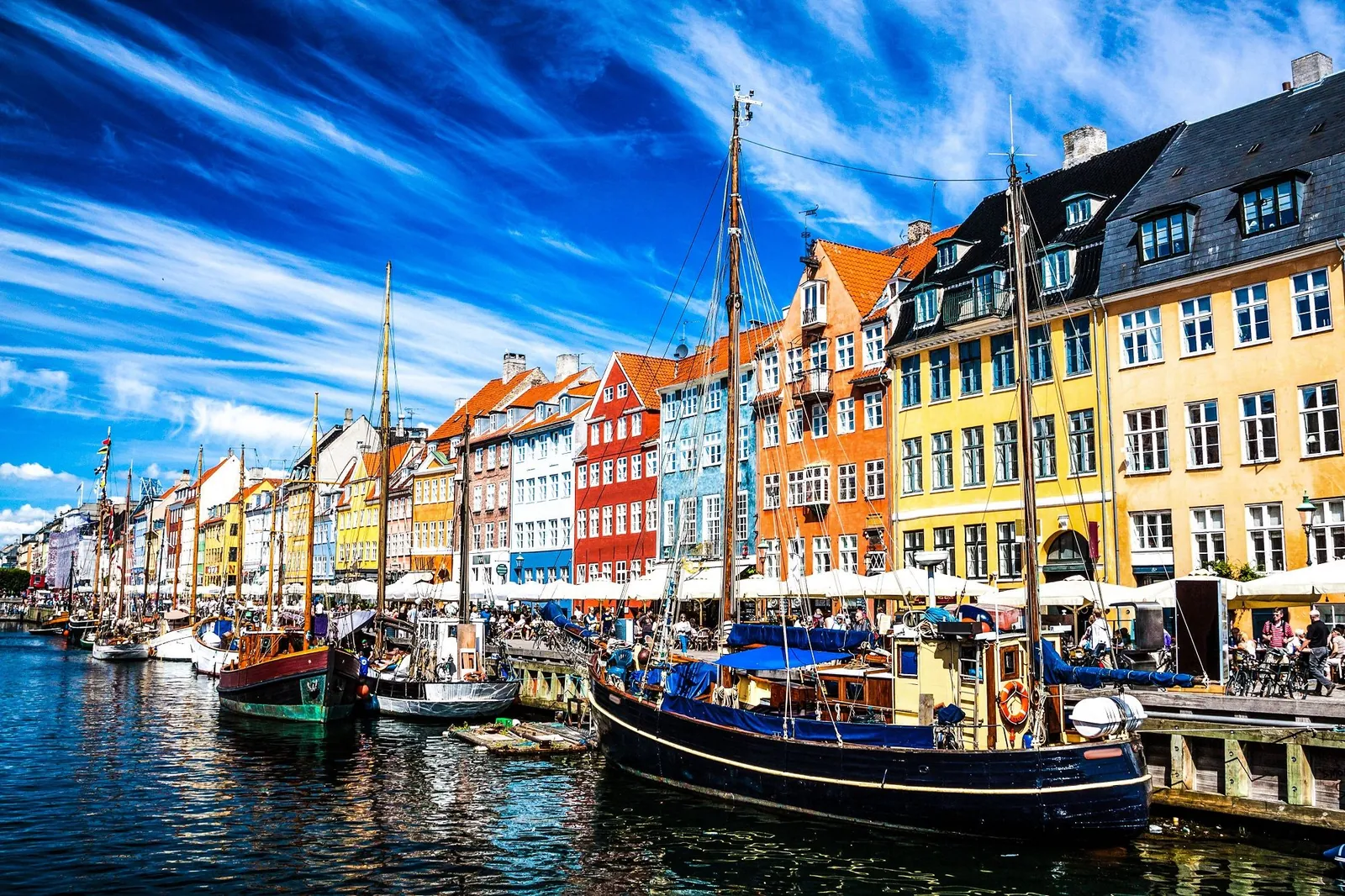
The complete, honest case for Denmark — the scholarship waivers, the real Copenhagen budget, the establishment card, and the exact route from Pakistan — in one short narrated briefing.
The Denmark video briefing is in production
The narrated 4-minute briefing for Denmark lands in this slot very soon. Until then, get the exact same briefing — live, personal, and free — from a counsellor who will map it to your grades and budget.
Danish Government Scholarships — administered by the universities — grant full or partial tuition waivers, sometimes with a living-cost grant, to outstanding non-EU master's applicants. You don't apply separately: your admission application is your scholarship application, and the strongest files win. We build files to that standard.
Denmark has one of the world's highest English proficiencies; master's programmes (and a growing bachelor's shelf) teach entirely in English. Daily life, part-time jobs and internships all function in English — while free Danish classes quietly build your local edge.
Denmark punches absurdly above its size: Novo Nordisk and the Medicon Valley pharma cluster, LEGO, Maersk, Vestas wind power, and world-famous design and architecture schools. Studying beside the industries that invented your field is a career accelerant money can't fake.
Flat hierarchy (you'll call professors by first name), problem-based learning at Aalborg and Roskilde, safe cycling cities, and the famous hygge. Parents consistently rate Denmark among the least worrying destinations on our list — it feels ordered because it is.
Students can typically work up to 20 hours/week in term (full-time in summer months) under their residence permit conditions — at Danish wages that genuinely dent living costs. Internships and student-assistant roles at Danish firms are a standard part of master's life.
Aarhus (Denmark's student capital), Odense, Aalborg and Kolding deliver the same degree system at rents a third lower than the capital. Our shortlists are built city-first: identical diploma value, radically different monthly burn.
Life Sciences & PharmaComputer Science & DataEngineering (Wind, Robotics)Design & ArchitectureBusiness & EconomicsEnvironmental SciencePublic HealthFood ScienceMedia & CommunicationRobotics (Odense)
| Item | Guide figure | What to know |
|---|---|---|
| Tuition (non-EU) | ≈ €6,000–16,000 / year | Set per programme; some specialised master's sit above — waivers can cut this to zero for top files |
| Living costs | Copenhagen ≈ €1,200–1,700 · Aarhus/Odense/Aalborg ≈ €950–1,350 / month | Rent is the driver; kollegium student housing applied for early is the budget superpower |
| Residence funds proof | ≈ DKK 7,000–7,500 / month of study (guide) | SIRI sets the figure — we confirm the current monthly amount and evidence format for your intake |
| SU grant note | Not for most non-EU students | Danish SU is generally for Danes/EU — your budget must stand without it; we plan accordingly |
Comparing countries on cost? See how Australia compares — full cost guide or scan every option in the Premium: World Elite budget hub.
The flagship is the Danish Government Scholarship: tuition waivers (full or partial, occasionally with a monthly grant) awarded by each university to its strongest non-EU master's admits — no separate application, which means your admission file must be scholarship-grade from day one. Add university-specific awards, State Educational Grant edge cases for some long-term residents, and Erasmus Mundus full rides. Our Denmark files are written backwards from what waiver committees reward: grades, fit and a study plan that makes academic sense.
After graduating, the establishment card route lets graduates of Danish master's and PhD programmes stay to seek work (the scheme provides a defined job-search period — currently up to 3 years for eligible graduates under the establishment-card rules; we confirm the current terms for your case), converting to a work permit (Pay Limit / Positive List routes) when hired. Denmark's Positive List literally publishes its shortage occupations — we align your degree choice with it from your first session.
We grade your profile against each university's waiver history and Positive-List alignment, then shortlist Copenhagen vs. Aarhus/Odense/Aalborg on total cost — waiver-adjusted, rent included.
Your admission application doubles as your scholarship application. Transcripts, references and a motivation that argues academic fit — filed before the January/February non-EU deadlines that catch families out every year.
Residence permit via SIRI with funds evidence in the prescribed format, then CPR number, housing and the Danish essentials in your first-week checklist.
At full price in Copenhagen, it's a premium commitment. With a tuition waiver in Aarhus or Aalborg, the total can undercut a full-fee degree in a 'cheaper' country. Your free session runs both scenarios in numbers — waiver and no-waiver — so your family decides on facts, not fear.
Almost always yes for English-taught programmes — Danish universities set firm IELTS/TOEFL bands per programme and verify them. Your shortlist lists the exact score each target needs, plus which foundation/conditional routes genuinely exist.
A monthly amount set by SIRI (plan around DKK 7,000–7,500/month for your study period) evidenced in an account in your name. The format is strict and refusals are usually format failures — we prepare the evidence exactly as SIRI specifies.
At Danish wages, 20 hrs/week covers a serious share of living costs outside central Copenhagen — but never plan tuition on it, and your residence depends on study progress. We budget conservatively; earnings are the bonus.
English-only roles are common in tech, pharma, engineering and academia; Danish opens the public sector, healthcare and SMEs. Universities offer free Danish tuition to residents — students who take it graduate with a visibly different job market.
Still weighing it up? Browse the Europe – Schengen region hub or the Premium: World Elite budget hub to compare Denmark against its closest alternatives.
Four honest alternatives drawn from the Europe – Schengen region hub, the Premium budget tier and the premium step-up shelf — each with the reason it belongs on your shortlist.
Also in Europe – Schengen: Research strength; non-EU tuition now applies · ≈ $28k/yr all-in
Cheaper alternative: MBBS & engineering in English; strong value · ≈ $11k/yr all-in

Same budget (Premium), different map: Education City branch campuses; HBKU & QU scholarships · Education City · aid can cut costs deeply
The aspirational step-up: 1-year master's; Graduate Route; every field · ≈ $38k/yr all-in