

Study in Slovakia Mid-Range
Cheaper alternative: Medicine & engineering value route · ≈ $11k/yr all-in
Norway changed the rules: since 2023, students from outside the EU/EEA pay tuition at public universities — typically NOK 130,000–350,000 a year depending on programme. What didn't change: Norway's graduate salaries are among the highest on earth, its universities (Oslo, NTNU, Bergen, Tromsø) are research-strong and English-taught at master's level, students can work 20 hours a week at Norwegian wages, and graduates get up to a year to find skilled work. Norway is now a premium-priced, premium-return bet — we'll run the numbers with you honestly.

The complete, honest case for Norway — the new tuition reality, the wage maths that can still win, the job-seeker permit, and the exact route from Pakistan — in one short narrated briefing.
The Norway video briefing is in production
The narrated 4-minute briefing for Norway lands in this slot very soon. Until then, get the exact same briefing — live, personal, and free — from a counsellor who will map it to your grades and budget.
A Norwegian engineering, IT, maritime or health salary can be two to three times a comparable role further south — and part-time student work pays Norwegian rates too, among the world's highest hourly wages for campus jobs. Norway is the destination where the 'return' column can outrun a scary 'cost' column — for the right fields.
NTNU in Trondheim is Scandinavia's technology powerhouse (energy, marine, materials, AI), Oslo leads in life sciences and law, Bergen in climate and marine research, and UiT Tromsø owns the Arctic agenda. English-taught master's cover the fields Norway actually hires in.
Offshore energy in transition, green shipping, aquaculture, hydropower, carbon capture, Arctic logistics — Norway is spending oil-wealth on exactly the engineering and sustainability skills international graduates carry. Employers in these clusters sponsor work permits as routine.
Graduates of Norwegian institutions can apply for a job-seeker residence permit of up to one year to find skilled work, then convert to a skilled-worker permit with a qualifying offer. The route is transparent, points-free, and employment-led — we plan your target employers from semester one.
Fjords for weekends, northern lights from Tromsø dorms, the world's most egalitarian society, and safety statistics that end parental arguments. Norway is expensive, yes — and students consistently describe the quality of life as unmatched anywhere they've lived.
Norway is no longer the free destination older relatives remember — non-EU tuition applies and living costs are Europe's highest. Anyone still selling 'free Norway' in 2026 is selling you a refusal and a lost year. Our files budget the real figures, target universities' own fee reductions and scholarships, and compare Norway honestly against Sweden, Finland and Germany before you commit.
Energy & Petroleum TransitionMarine & Maritime TechnologyComputer Science & AIAquaculture & FisheriesEnvironmental & Climate ScienceElectrical EngineeringHealth InformaticsMaterials ScienceSustainability & CCSBusiness (Bergen NHH)
| Item | Guide figure | What to know |
|---|---|---|
| Tuition — public universities (non-EU) | ≈ NOK 130,000–350,000 / year | Set per programme since 2023; some universities/phases differ — your shortlist quotes the exact faculty figure |
| Private institutions (e.g. BI) | ≈ NOK 120,000–260,000 / year | BI Norwegian Business School and peers — strong business outcomes, priced accordingly |
| Living costs | Oslo ≈ NOK 15,000–19,000 · Trondheim/Bergen ≈ NOK 13,000–17,000 / month | Student welfare housing (SiO/SIT) applied for early is essential — private Oslo rent is the budget-killer |
| UDI funds proof | ≈ NOK 166,000 / year (guide) | UDI's subsistence figure (linked to the student-loan rate) — we confirm the current amount for your application |
Comparing countries on cost? See how Australia compares — full cost guide or scan every option in the Premium: World Elite budget hub.
Norway has no large national scholarship scheme for non-EU master's students — and we won't invent one. What exists: university-specific tuition waivers and reductions (varies by institution and year), Quota-scheme successor arrangements in specific partnerships, research assistantships at PhD level (salaried positions — Norway treats PhDs as employees), and Erasmus Mundus full rides. The honest strategy for most families: choose the programme whose graduate wage justifies the fee, or let us show you Finland/Sweden/Germany maths in the same session and decide with all four spreadsheets open.
The job-seeker permit (up to 1 year) lets Norwegian graduates hunt skilled work in-country; a qualifying offer converts to a skilled-worker residence permit, and years of residence build toward permanent residence. Student work is capped at 20 hrs/week in term (full-time in holidays) — at Norwegian wages this is unusually valuable, but UDI renewals require documented study progress, so earnings never outrank credits in our plan.
Norway only makes sense for employable fields. We map your target programme to Norwegian shortage data and realistic graduate salaries, then compare the 4-year maths against Sweden, Finland and Germany — in writing.
Every shortlist line quotes the university's actual non-EU fee for your programme and intake (they vary by faculty), plus waiver/reduction status — no 'Norway is free' folklore anywhere in your plan.
Residence application with UDI-format funds evidence, student-welfare housing application fired the day admission lands, and your arrival checklist (ID number, tax card for part-time work).
No — that information is outdated. Since autumn 2023, students from outside the EU/EEA (including Pakistan) pay tuition at Norwegian public universities. Budget NOK 130,000–350,000/year by programme. What remains true: no tuition for EU/EEA students, and PhD positions are salaried jobs. We verify every figure against the university's current fee page for your intake.
Plan around NOK 166,000 per year (UDI's subsistence benchmark, revised periodically) held in a Norwegian-accessible form — often transferred to the university's deposit account. We confirm the current figure and the exact mechanism your university uses before your family moves money.
Yes, unusually so: 20 hrs/week at typical student wages can cover a large share of monthly living costs outside Oslo. It cannot cover tuition, and UDI requires your funds upfront regardless — earnings are earned relief, not your visa case.
Master's programmes teach in English and require documented English (IELTS/TOEFL bands per programme). Norwegian is not required to study — but B1+ Norwegian transforms graduate hiring outside international firms, and free courses are everywhere. Bachelor-level English choice is narrower; we check your level honestly.
Energy and marine engineering, CS/AI, aquaculture, maritime operations, health informatics and sustainability/climate fields — where Norwegian graduate salaries and permit conversions are strongest. For general business or humanities at full fee, we'll usually show you a better-value country in the same free session. That's what honest means.
Still weighing it up? Browse the Europe – Schengen region hub or the Premium: World Elite budget hub to compare Norway against its closest alternatives.
Four honest alternatives drawn from the Europe – Schengen region hub, the Premium budget tier and the premium step-up shelf — each with the reason it belongs on your shortlist.
Cheaper alternative: Medicine & engineering value route · ≈ $11k/yr all-in

Cheaper alternative: Small, green, affordable EU study · ≈ $12k/yr all-in
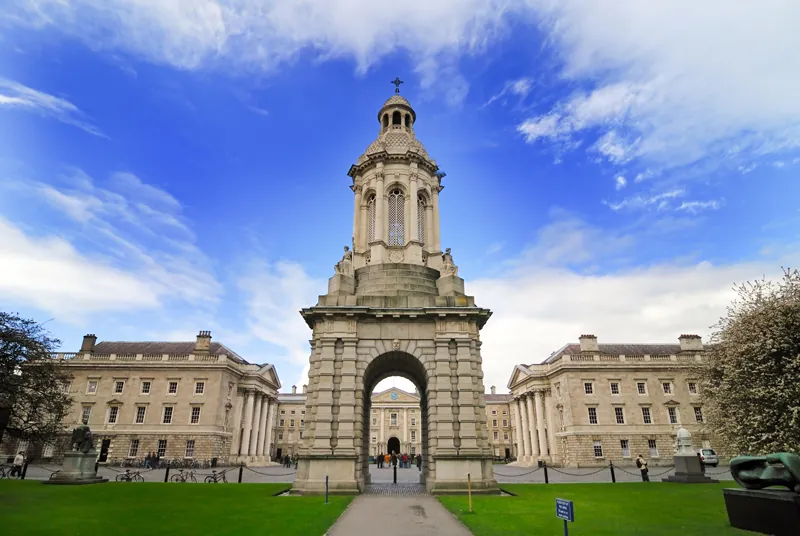
Same budget (Premium), different map: Tech & pharma HQ hub; stay-back for graduates · ≈ $32k/yr all-in
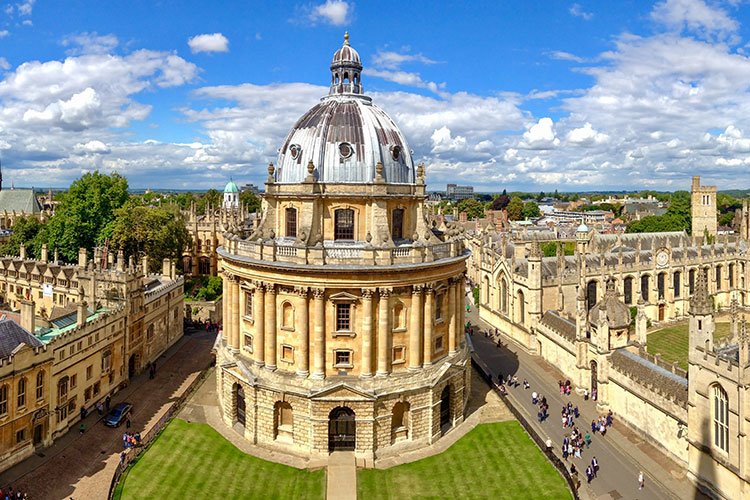
The aspirational step-up: 1-year master's; Graduate Route; every field · ≈ $38k/yr all-in