
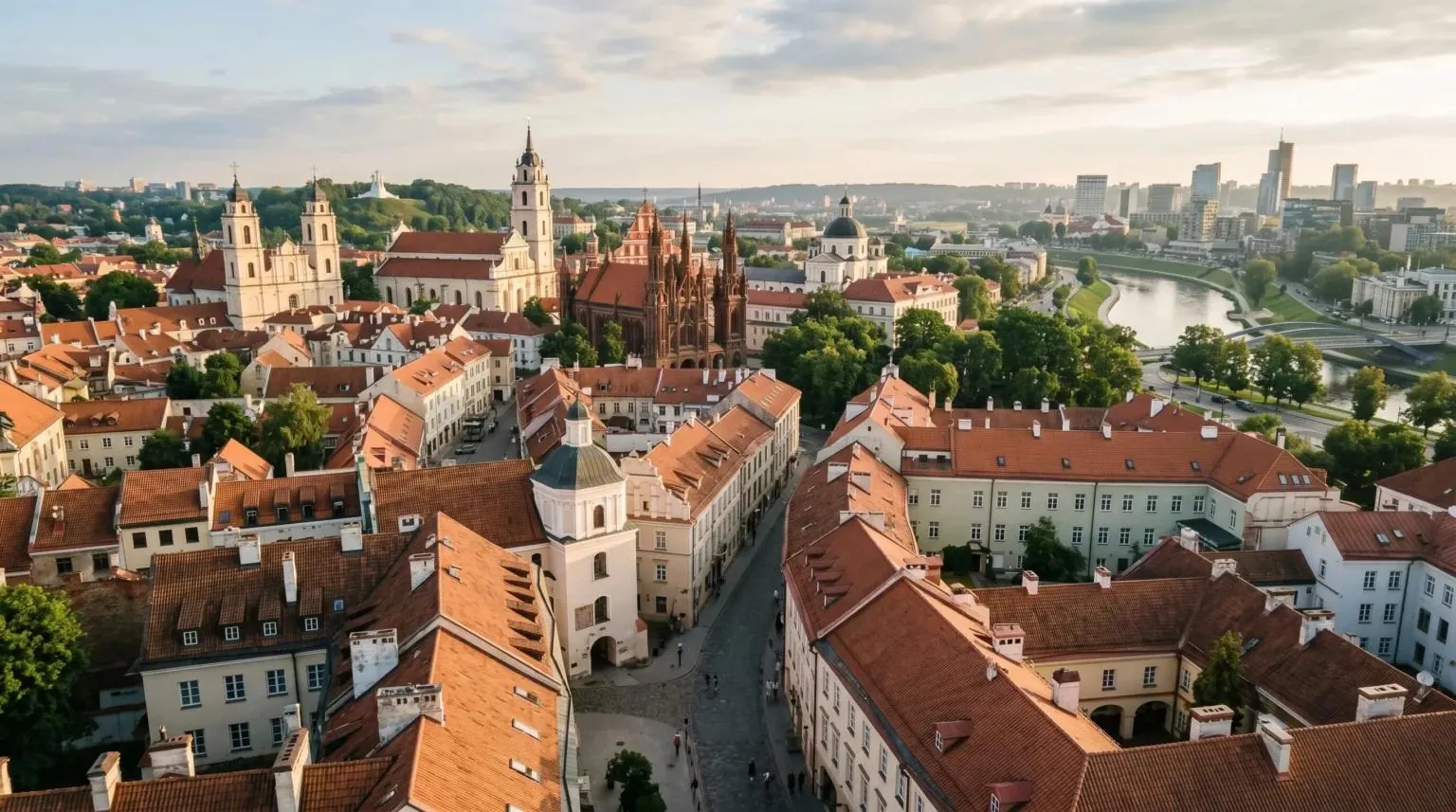
Study in Lithuania Mid-Range
Also in Europe – Schengen: Fintech, life sciences, MBBS routes · ≈ $12k/yr all-in
Croatia joined both the EU and Schengen — and switched to the euro — so a Croatian degree now sits in Europe's inner circle. English-taught medicine in Zagreb and Split, a fast-growing tech scene, tuition commonly between €3,000 and €12,000 a year, and student cities where the commute is a seafront walk. Add a post-study job-search route and a labour market short of health, IT and engineering staff, and Croatia becomes Europe's Mediterranean value play.
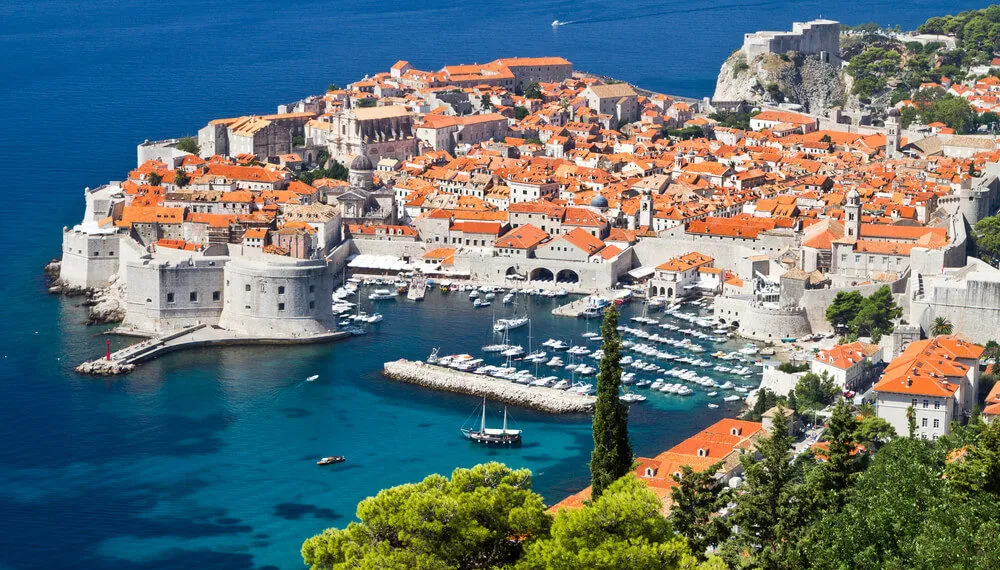
The complete, honest case for Croatia — the real fees, English-taught medicine, the stay-back route, and the exact path from Pakistan — in one short narrated briefing.
The Croatia video briefing is in production
The narrated 4-minute briefing for Croatia lands in this slot very soon. Until then, get the exact same briefing — live, personal, and free — from a counsellor who will map it to your grades and budget.
Croatia is a full EU and Schengen member using the euro — your degree follows Bologna/ECTS rules, is recognised across Europe, and your residence opens Schengen travel. No second-tier caveats, no asterisks.
The University of Zagreb's School of Medicine runs a long-established English programme (MSE), with Split and Rijeka also teaching medicine in English — modern university hospitals, EU-standard training. Our first step, always: verify the licensing path for practice in Pakistan before you apply.
Most English-taught and international programmes sit between roughly €3,000 and €12,000 a year — medicine at the top — against €20,000+ equivalents further west. Zagreb living costs, while rising, still undercut Vienna, Munich or Amsterdam by a wide margin.
Zagreb's startup scene (home to unicorns like Infobip and Rimac's orbit), a giant tourism industry, shipbuilding and pharma — Croatia faces genuine shortages in IT, engineering and healthcare, which is exactly where international graduates fit.
Split, Rijeka, Zadar and Osijek deliver student cities where rent buys you sea air, 2,500 years of history in Dubrovnik and Split's palace, and winters far gentler than northern Europe. Quality of life is a retention strategy — graduates stay because they love it here.
Younger Croatians speak excellent English and English-taught programmes cover medicine, business, IT and engineering. Croatian unlocks clinical placements, part-time work and the local job market — free university language courses make it a realistic graduation asset.
Medicine (English-taught)DentistryComputer Science & ITBusiness & TourismElectrical EngineeringPharmacyBiotechnologyArchitectureNursing & HealthVeterinary Medicine
| Item | Guide figure | What to know |
|---|---|---|
| Tuition — most programmes | ≈ €3,000–10,000 / year | Set per university & programme; Croatian-taught study for those with language proficiency can cost less |
| Tuition — English-taught medicine | ≈ €10,000–13,000 / year | Guide range for Zagreb MSE and peers — confirm per faculty |
| Living costs | ≈ €700–1,100 / month in Zagreb · less in Split/Rijeka/Osijek | Dormitories and shared flats anchor the low end; the coast costs more in summer |
| Visa / residence funds proof | Tuition + living evidence (planning guide) | Shown via sponsor bank evidence to the current consular standard — we confirm yours before filing |
Comparing countries on cost? See how Austria compares — full cost guide or scan every option in the Mid-Range: Maximum Value budget hub.
Croatia's funding is university-led: merit scholarships and tuition reductions at the major universities, faculty awards for top performers, plus CEEPUS mobility grants and Erasmus Mundus joint masters with full funding where Croatian partners participate. Bilateral and state schemes open periodically. Honest framing: Croatia's headline value is its low base price and eurozone degree — we hunt every reduction your grades earn, but we budget on real fees, not hoped-for waivers.
Graduates can typically extend their stay to look for work (plan around up to 12 months job-search residence under current rules — confirmed for your intake) and then move onto employer-based residence; health, IT and engineering shortage roles convert fastest. During studies, student work through the student service (Student servis) system is a well-established route to legal part-time earnings once you hold residence. Croatian language is the multiplier on all of it — start it in semester one.
Zagreb for scale and medicine, Split/Rijeka for coast and value, Osijek for the gentlest costs — shortlisted by programme, total cost and (for medicine) licensing recognition, in writing.
Croatian admissions run on recognised, translated documents. We sequence HEC/IBCC attestation, translations and faculty requirements (medicine has entrance/science checks at some faculties) so nothing expires mid-process.
Long-stay visa where required, then temporary residence on arrival, OIB tax number, health insurance enrolment and dormitory move-in — your first-month checklist, handled.
It depends on the university and the current Pakistan Medical Commission position, plus the licensing exams on return. Zagreb, Split and Rijeka's established programmes are the core route — and we verify your exact faculty against the latest position in your free session, before any fee is paid.
English-taught programmes set their own evidence — many accept IELTS/TOEFL or a university interview/MOI route, varying by faculty. Your shortlist states the exact proof each target requires so you prepare once, correctly.
As a planning guide: first-year tuition plus living funds in the region of €700–1,100 per month, shown through sponsor bank evidence in the format the consulate currently requires. Croatia's bar is reachable for mid-budget families — provided the paperwork is complete and consistent, which is our job.
Yes — Croatia's student-work system (via university Student servis centres) is one of Europe's most organised: enrolled students with residence can take regular part-time jobs legally. Treat earnings as living-cost support; your residence case must stand on family/scholarship funds.
Incomplete funds evidence, an incoherent study story, or documents that don't match the admission — paperwork problems, not student problems. We audit your file against the consulate's checklist and rehearse your answers before anything is filed.
Still weighing it up? Browse the Europe – Schengen region hub or the Mid-Range: Maximum Value budget hub to compare Croatia against its closest alternatives.
Four honest alternatives drawn from the Europe – Schengen region hub, the Mid-Range budget tier and the premium step-up shelf — each with the reason it belongs on your shortlist.
Also in Europe – Schengen: Fintech, life sciences, MBBS routes · ≈ $12k/yr all-in
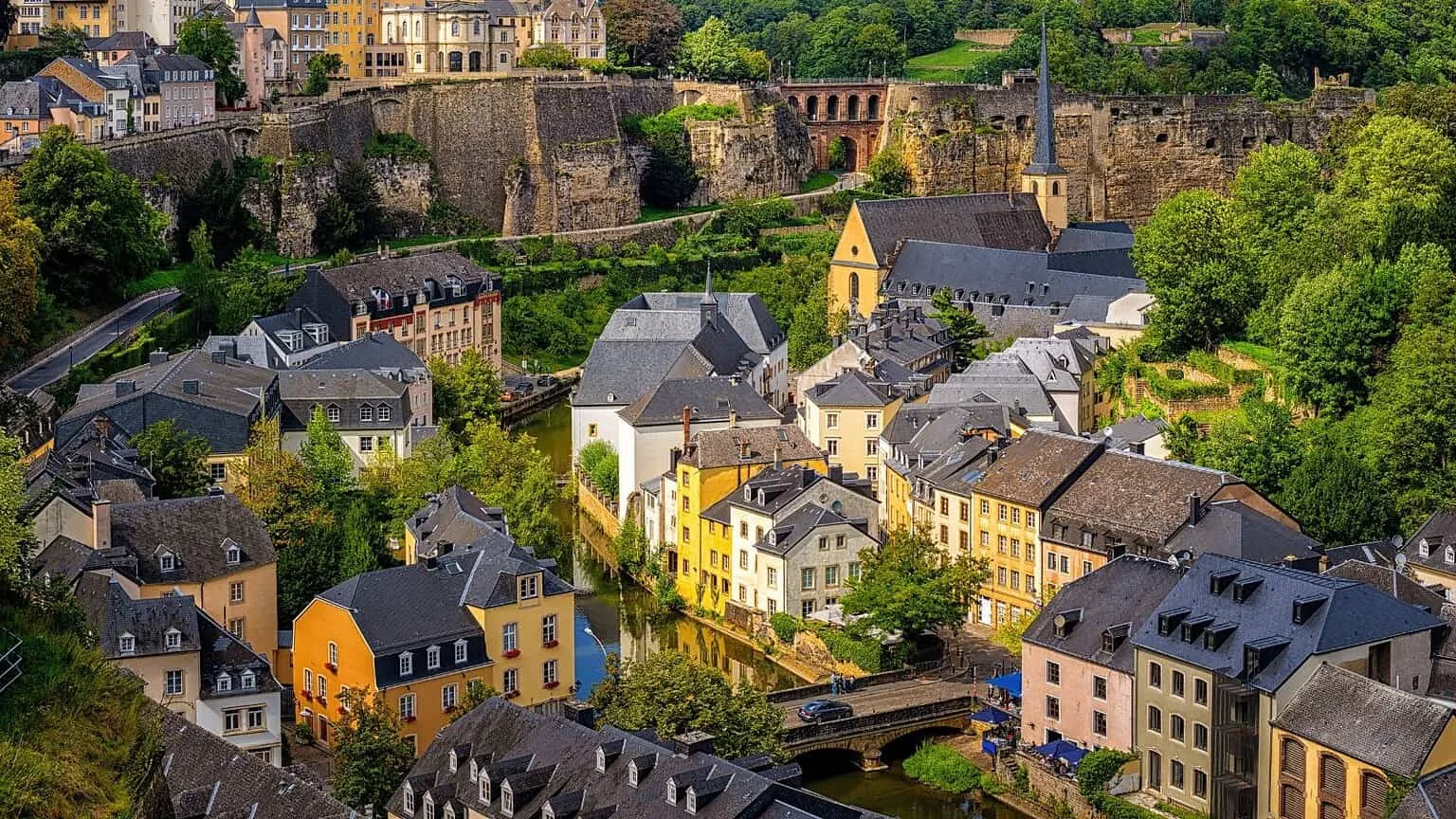
Also in Europe – Schengen: Finance hub; multilingual degrees · ≈ $20k/yr all-in

Same budget (Mid-Range), different map: UK/Aus branch campuses & twinning degrees · ≈ $11k/yr all-in
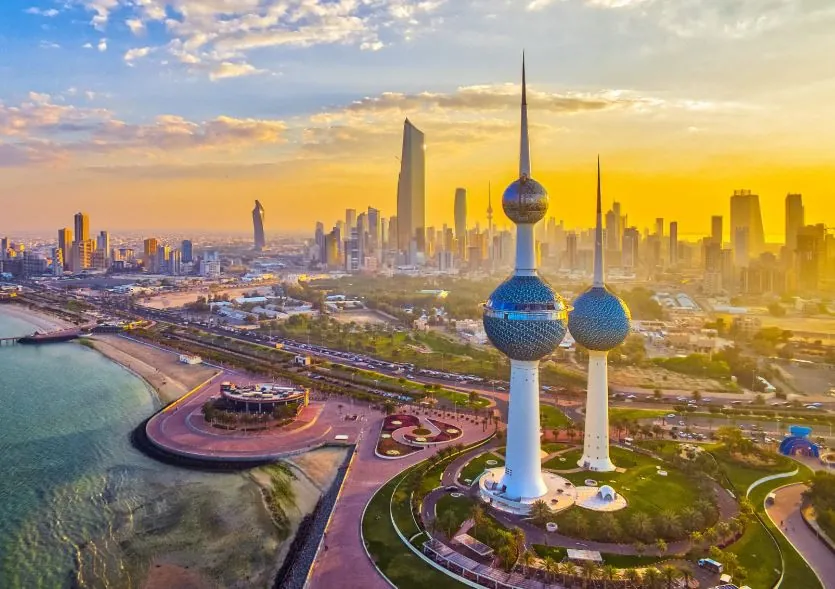
The aspirational step-up: American-model private universities; Gulf family base · ≈ $24k/yr all-in